Residents across multiple East London neighborhoods are bracing for significant travel difficulties next week as simultaneous strikes on the London Underground and local bus services threaten to severely disrupt commuting patterns. The coordinated industrial action is set to create what transport officials describe as a perfect storm of disruption, particularly affecting areas like Bow and Bethnal Green.
Timeline of Disruption
The transport chaos begins on Tuesday, April 21, when RMT union members working as London Underground drivers initiate strike action. This industrial action centers on contentious proposals regarding a new four-day working week arrangement. The situation intensifies dramatically on Friday, April 24, when a separate strike by Stagecoach bus drivers commences at the Bow garage facility at 5:00 AM.
The Critical Friday Commute
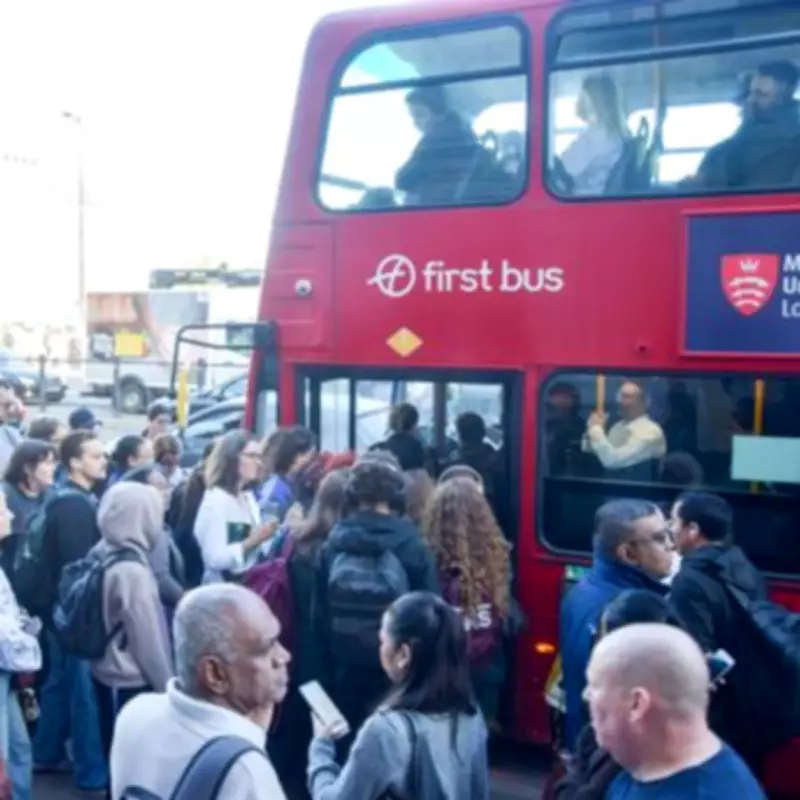
For East London residents, Friday, April 24 represents the most challenging travel day, creating what local commuters are calling a "double whammy" effect. On this date, the Tube strike will be in its final recovery phase while the bus strike reaches full intensity. Seven crucial bus routes that typically serve as vital alternatives during Tube disruptions will be completely suspended during this 24-hour period.

The affected bus routes include major arteries like the 8 and 25 services, which thousands of commuters rely upon daily to reach Central London destinations. Other impacted routes are the 45, 205, 425, N8, N25, and N205 night services. Transport for London has confirmed that while the majority of London's extensive bus network will operate normally, these seven specific routes will experience complete suspension from 5:00 AM Friday through 5:00 AM Saturday.
Expected Service Levels
According to detailed projections from Transport for London, the strike action will produce the following service disruptions across the network:
- Piccadilly Line: No service expected across the entire line
- Circle Line: No service expected
- Central Line: No service between White City and Liverpool Street stations
- Metropolitan Line: No service between Baker Street and Aldgate stations
- Other Tube Lines: Reduced service expected across most remaining lines with significant disruption anticipated
- Elizabeth Line, DLR, and London Overground: These services will operate normally but are expected to experience extreme crowding
Wider London Impact
The disruption extends beyond East London, with the Heathrow airport corridor facing particular challenges due to the complete suspension of Piccadilly Line service. Air travelers will need to rely exclusively on the Elizabeth Line or Heathrow Express services to reach the airport. Meanwhile, passengers in Northwest London utilizing the Metropolitan Line will find their trains terminating at Baker Street station, with no onward service available to the City financial district via that particular line.
Root Causes of Industrial Action
The London Underground dispute revolves around Transport for London's proposal to implement a voluntary four-day working week arrangement. TfL management has advocated for a 35-hour work week distributed across four days, describing this framework as both practical and financially sustainable. The RMT union has firmly rejected this proposal, instead demanding a 32-hour four-day week while expressing significant concerns about potential driver fatigue and maintaining proper work-life balance for employees.
The separate bus strike affecting the seven East London routes involves Stagecoach drivers in a distinct labor dispute. Transport for London officials have publicly urged the RMT union leadership to cancel their planned industrial action and return to negotiation tables to prevent the anticipated widespread travel disruption.
Transport authorities are advising all London commuters to plan alternative travel arrangements, allow substantial additional journey time, and consider working from home where possible during the strike periods. The combination of these simultaneous industrial actions represents one of the most significant coordinated transport disruptions to affect East London in recent years.