TfL's Oyster Card System Set for Digital Revolution with New Contract
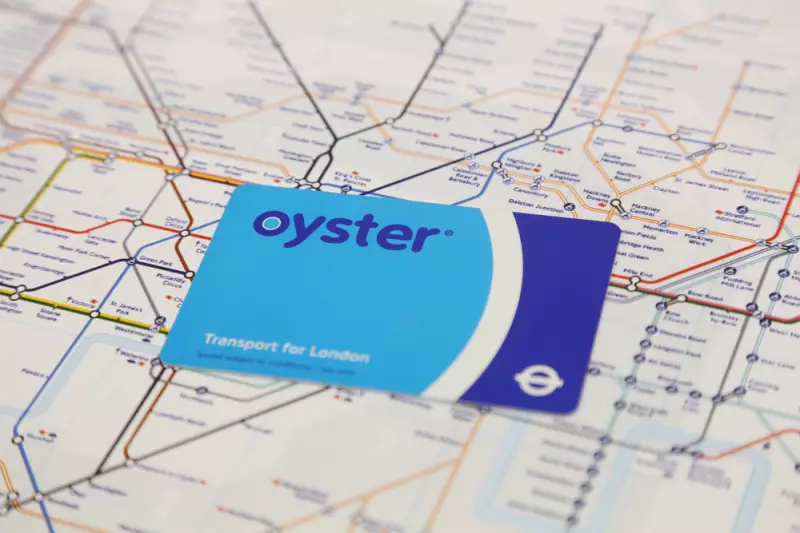
London's iconic Oyster card system is on the brink of a significant technological transformation that could reshape how millions of commuters navigate the capital's transport network. Transport for London has taken a decisive step towards modernising its revenue collection infrastructure by awarding a substantial seven-year contract to the Spanish technology firm Indra Group.
Historic Shift in Ticketing Technology
This strategic move marks the end of an era for Cubic Transportation Systems, the American company that has operated and maintained the Oyster card system since its groundbreaking introduction in 2003. The transition to Indra Group represents more than just a change of supplier - it signals TfL's commitment to bringing London's ticketing system firmly into the digital age.
The most exciting development for regular commuters is the strong indication that Oyster cards and travel passes could soon become available as digital versions within smartphone wallets. This technological leap would fundamentally change how Londoners interact with the transport network on a daily basis.
Benefits of Digital Integration
The potential integration of Oyster functionality with smartphones promises several practical advantages for users. Commuters would gain the ability to tap in and out of stations without needing to carry a physical card, eliminating the common frustration of lost or forgotten Oysters. The digital system would also enable instant top-ups of travel balances and provide real-time tracking of journeys and expenditure.
Shashi Verma, TfL's director of technology strategy and revenue, emphasised the importance of maintaining passenger trust during this transition. "Millions of journeys are made on our public transport system every day, and it is vital that customers can trust the ticketing system to ensure they are charged the correct fare," he stated. "We look forward to working with Indra group on the next evolution of our Oyster and contactless ticketing system."
Continuity for Traditional Users
Importantly, TfL has reassured passengers who prefer the traditional approach that physical Oyster cards will remain fully functional alongside any new digital offerings. This ensures that the transition will be inclusive, accommodating both tech-savvy commuters embracing digital solutions and those who wish to continue using familiar physical cards.
Verma also acknowledged the significant contribution of the outgoing contractor, noting: "I want to thank everyone at Cubic Transportation Systems for their work and innovation in delivering, maintaining and improving the Oyster and contactless system over the past decades. The hard work and innovation by Cubic helped make the system as instantly recognisable and successful as it is."
This development represents a crucial step in London's ongoing transport modernisation, potentially bringing the capital's ticketing system in line with other global cities that have already embraced digital transit solutions. As Indra Group begins its work on the next generation of London's revenue collection systems, commuters can anticipate a more flexible and technologically advanced approach to navigating the city's extensive transport network.