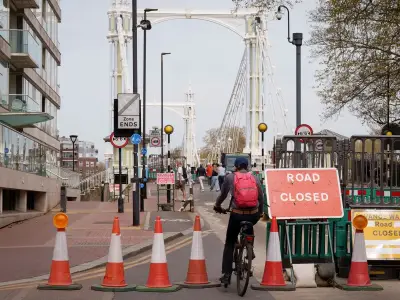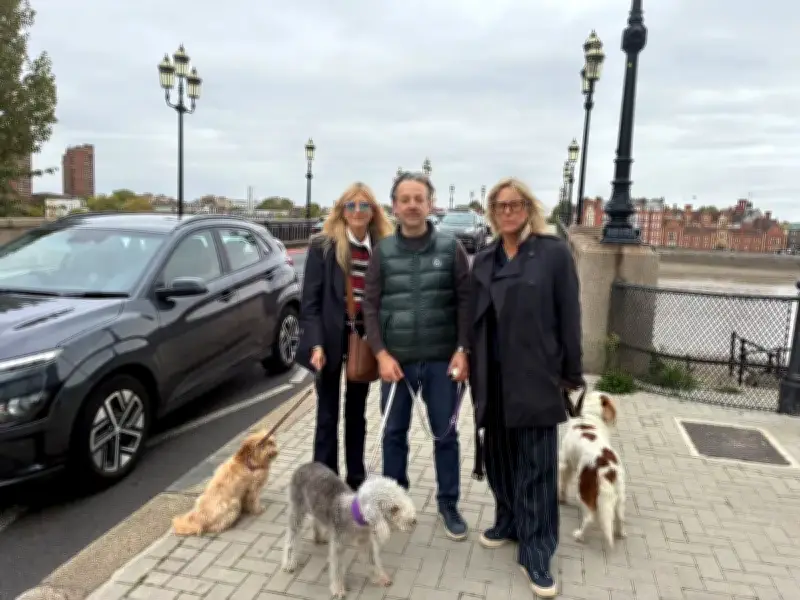
Residents and businesses in Battersea and Chelsea say they are at breaking point over traffic chaos caused by the closure of Albert Bridge to vehicles, and are calling on Transport for London (TfL) to take urgent action to improve congestion and protect essential journeys.
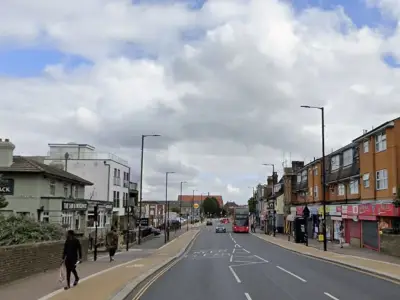
Worried locals told the Local Democracy Reporting Service (LDRS) that the closure, in place since February 7 after a crack was found in a cast iron component, has caused regular gridlock on both sides of the River Thames and along Battersea Bridge, significantly extending journey times, trapping people in their homes, and disrupting daily life.
Safety fears and missed appointments
Professor Sneh Khemka CBE, a doctor and resident, described the closure as "an absolute disaster," leading to a "dangerous situation" for pedestrians and cyclists. He said: "It means that lots of pedestrians are having to cross relatively blindly, cyclists are getting squeezed, motorists are doing silly things and buses are getting stuck at pivotal points, meaning that bus lanes are empty and it looks really nonsensical, and then on top of that there seems to be no coordination from TfL when they put road closures and roadworks in."
The doctor expressed particular concern about ambulances getting stuck trying to reach Chelsea and Westminster Hospital and patients missing appointments. He added that residents felt "ignored and left behind" by TfL, which had not engaged properly with their concerns.
Accessibility and business impact
Sarah Keeling, a Battersea resident of more than 30 years, said the closure was especially affecting vulnerable people, including those who are disabled or elderly, who relied on their cars and felt excluded from decisions affecting access. "I think they've got to be held to account," she said.
Felix Daglish, who uses a wheelchair, reported that most buses he took on route 19 towards Battersea Bridge had terminated early since the closure. "For me, this is ultimately about efficiency and accountability. If a bus is operating as a public service, it should be able to fulfil the route it is supposed to serve rather than regularly terminating early and leaving passengers to make their own way home," he said.
Businesses are also suffering. Biagio Morreale, owner of Uffizi Hair Gallery in Battersea, said he was losing clients as traffic forced cancellations, while staff were delayed. "I feel at breaking point," he said, adding that he faced road rage from angry drivers while commuting on a scooter. "Car drivers now because of their anger will drive towards you and tell you to get out of the way and it's intimidating."
Councils and TfL response
The bridge is owned by Kensington and Chelsea Council, which has said it will not reopen until 2027 after completing £8.5million repairs. An open letter signed by more than 2,100 people calls for the bridge to be safely repaired as quickly as possible and for immediate measures to improve congestion.
Kensington and Chelsea councillor Josh Rendall, lead member for transport, said: "Major repairs on an important structure like Albert Bridge will inevitably cause disruption. As a local resident myself, I've felt the impact of the closure and understand people's frustration. Ultimately, we are dealing with a bridge that is over 150 years old, predates motor vehicles and was opened when Queen Victoria was on the throne. A repair like this cannot be hurried - it must be done with the utmost care, consideration and with safety as the primary focus."
A Wandsworth Council spokesperson said: "We are in regular contact with local residents and businesses over this issue and recognise the delays and disruption that they are experiencing daily. We're in constant communication with Kensington and Chelsea as well as TfL on behalf of residents in the surrounding area, including Battersea Bridge Road, who are living with the knock-on effects of these key road changes and need to be listened to."
TfL has been contacted for comment. Locals said that if TfL's management of traffic impacts does not improve, future bridge closures could have similarly severe effects, stressing that changes must happen quickly.