Waymo Unveils Ambitious Timeline for London Robotaxi Service
Robotaxi company Waymo has provided significant new details about its strategy to deploy self-driving vehicles across London, including a clear timeline for when residents might begin using the service. The announcement comes as the capital emerges as a key testing ground for autonomous vehicle technology, with multiple firms vying to establish a presence on its complex road network.
Phased Rollout Plan for Autonomous Taxis
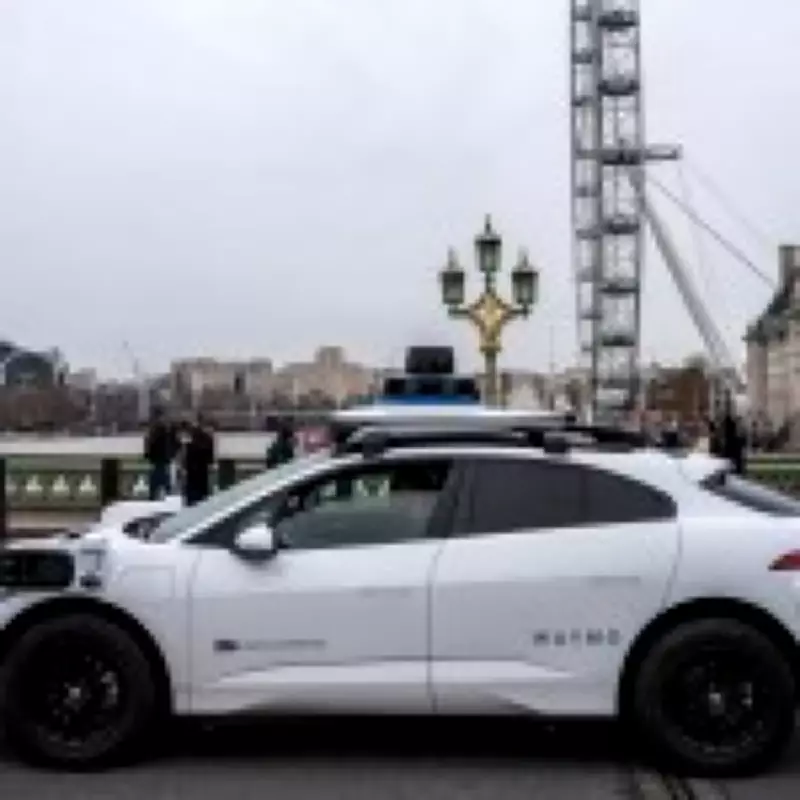
According to Waymo's latest revelations, London passengers could potentially order a robotaxi through a dedicated mobile application as early as September 2026, assuming all regulatory and testing milestones are met successfully. The company is currently conducting extensive testing across the city using a fleet of approximately 24 vehicles equipped with advanced camera systems, radar technology, and light detection sensors.
These initial tests involve human drivers fully controlling the vehicles as they navigate London's distinctive traffic patterns and infrastructure elements like zebra crossings. The next phase will introduce Waymo robotaxis with safety drivers present in the vehicles, operating across a substantial 100-square-mile area of the city.
Regulatory Approval and Safety Considerations
A crucial passenger pilot scheme is anticipated to launch in April, though this remains contingent upon receiving necessary regulatory approvals from UK authorities. Once passenger operations commence later this year, the vehicles are expected to operate without safety drivers present in the cars.
Nicole Gavel, Waymo's head of business development and strategic partnerships, emphasised the technological advantages of their system, stating that the vehicles' sensors provide "superhuman level of perception" with greater accuracy and wider field of view than human drivers can achieve.
Transport Secretary Heidi Alexander acknowledged the need for parliamentary approval of regulations to ensure trials proceed "in a safe and responsible way," while expressing enthusiasm for the potential safety benefits of autonomous vehicles that cannot engage in drink driving or experience road rage.
Testing Locations and Public Reception
Waymo has conducted mapping and testing activities across 19 London boroughs including Camden, Islington, Westminster, and the City of London. However, the company has indicated that initial passenger services will begin in a more limited area before gradually expanding their operational zone.
Professor Saber Fallah from the University of Surrey suggested that robotaxis might initially be permitted in specific areas during less busy periods, while expressing scepticism about immediate consumer benefits and suggesting that operators stand to gain most from cost savings.
Public opinion appears divided, with a Metro survey indicating that over 65% of 84 respondents would not ride in a self-driving taxi in London. Despite this, Mayor Sadiq Khan has positioned London as "a test bed for pioneering technology," acknowledging potential job displacement while emphasising opportunities in emerging sectors like AI and robotics.
Competitive Landscape and Global Context
Waymo's announcement follows recent developments from other technology firms, including a partnership between Uber, Lyft, and Chinese company Baidu to introduce electric robotaxis to London. British company Wayve has also announced autonomous vehicle plans for the capital.
Waymo brings substantial operational experience from its existing services in San Francisco and Los Angeles, where it operates approximately 1,700 vehicles combined. The company's expansion into London represents a significant step in the global development of autonomous transportation systems, though questions remain about adaptation from grid-based American cities to London's more complex road layouts.
As regulatory discussions continue between the government, Waymo, and Transport for London, the coming months will prove crucial in determining how quickly and extensively autonomous vehicles become part of London's transportation ecosystem.