Waymo's Driverless Taxis Set to Transform London's Streets
London is on the cusp of a transport revolution as Waymo, the American autonomous driving technology company, prepares to launch its driverless taxi service in the capital. You may have already spotted some of the 24 Waymo vehicles currently navigating London's roads, though these are presently operated by human safety drivers as part of the mapping phase.
The Technology Behind Waymo's Autonomous Vehicles
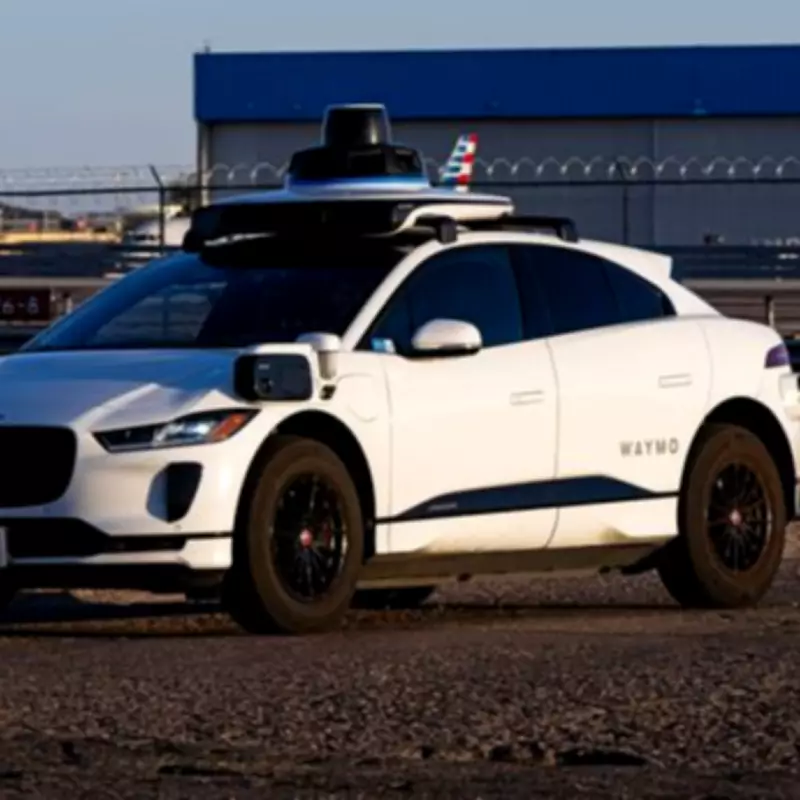
Waymo driverless taxis represent cutting-edge automotive technology. These electric vehicles are equipped with a sophisticated array of sensors that eliminate the need for human intervention during full operation. The system combines cameras, radars, lidars, and ultrasonic sensors positioned around the vehicle, creating a comprehensive 360-degree awareness of the surrounding environment.
How does this sensor array function in practice? A powerful computer located in the boot processes real-time data from these sensors, enabling the vehicle to make instantaneous driving decisions. This system provides visual coverage of up to 500 metres from every angle, far exceeding human perceptual capabilities. According to Nicole Gavel, Waymo's head of business development and strategic partnerships, the technology achieves a "superhuman level of perception" that significantly enhances safety for all road users.
London's Road to Autonomous Transport
The introduction of driverless taxis in London coincides with government plans to amend the Automated Vehicles Act later this year. This legislative change will create the necessary regulatory framework for autonomous vehicles to operate legally in and around the capital. While the exact implementation date remains to be confirmed, the stage is being set for a fundamental shift in how Londoners move around their city.
Waymo's current London fleet consists of 24 Jaguar I-Pace electric SUVs that have been gathering crucial data about London's unique road network for approximately two months. These vehicles are learning:
- Road markings and signage
- Junction layouts and traffic flow patterns
- Street widths and infrastructure peculiarities
- Pedestrian and cyclist movement patterns
Launch Timeline and Service Details
Waymo has outlined a clear rollout plan for its London service:
- Spring 2026: Pilot testing begins with safety drivers
- September 2026: Target launch date for fully driverless service
- End of 2026: Anticipated full operational status, pending regulatory approval
The company emphasizes that its autonomous vehicles have demonstrated significantly better safety records than human drivers, particularly regarding pedestrian and cyclist protection. This safety focus is central to Waymo's approach as it prepares to introduce 24/7 taxi services that could operate continuously without driver fatigue becoming a factor.
Future Expansion and Industry Context
Initially, Waymo will concentrate exclusively on London operations. The service will launch on a limited scale as authorities monitor its safety, effectiveness, and economic impact. If successful, this could pave the way for other companies to introduce similar services across the UK, potentially before 2030.
What areas of London will be served? Specific service zones have not yet been confirmed, though reports indicate airport routes won't be included in the initial phase. The gradual expansion approach reflects both regulatory caution and the complexity of adapting autonomous technology to London's challenging urban environment.
Internationally, Waymo already operates in several major cities including Tokyo, San Francisco, Phoenix, and Los Angeles. The London launch represents a significant milestone in the global expansion of autonomous vehicle technology. Meanwhile, other companies like Tesla are developing similar "Robotaxi" services, though their UK implementation plans remain uncertain.
As London prepares to welcome this new transport option, questions remain about integration with existing infrastructure, public acceptance, and long-term impacts on the city's transport ecosystem. What's clear is that driverless technology is no longer science fiction—it's about to become part of London's daily commute.