London's streets are set for a major technological shift, with a second major operator confirming plans to launch a fleet of driverless taxis in the capital by 2026.
Chinese Tech Giant Enters the London Market
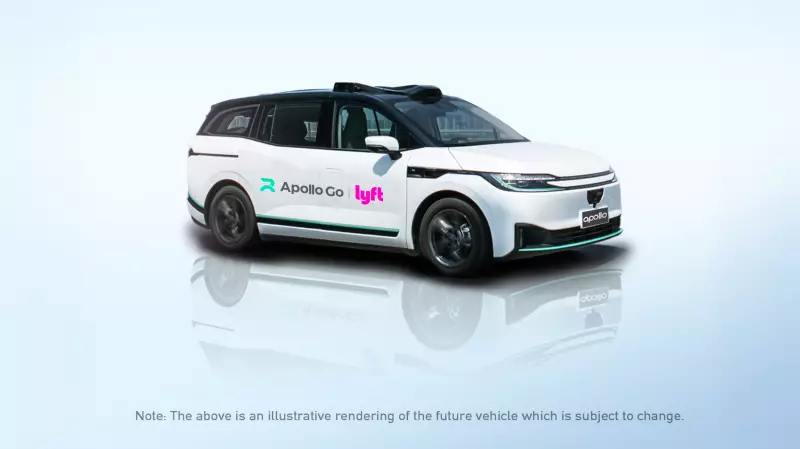
Following the recent announcement from Waymo, Chinese AI leader Baidu has now confirmed it will bring its autonomous Apollo Go vehicles to London. The company has signed a definitive agreement with ride-hailing platforms Lyft and Uber. The plan is to commence testing on public roads in 2026, subject to receiving the necessary regulatory approvals from UK authorities.
Baidu's Apollo Go service is already operational in several Chinese cities. Unlike converted cars, these vehicles are fully electric and were designed from the ground up to operate without a human driver. This has allowed engineers to focus extensively on passenger comfort and experience.
Luxury Features Designed for Passenger Comfort
The interior of the Apollo Go taxis is geared towards a premium experience. Confirmed features include reclining seats equipped with massage functions, expansive panoramic sky roofs, and customisable mood lighting. This approach signals a move towards positioning autonomous travel as a comfortable, high-end service rather than merely a functional journey.
David Risher, the CEO of Lyft, made the partnership official via a post on LinkedIn. He stated, "Riders in London will be the first in the UK to experience Baidu's Apollo Go vehicles as part of the Lyft and FREENOW ecosystem." He added that the initial phase will involve testing with dozens of vehicles in 2026, scaling up to hundreds thereafter.
Building a Hybrid Network for London's Future
Lyft, which only launched its service in London this year, described the collaboration as part of its mission to create a 'hybrid network' blending self-driving cars with human drivers. The aim is to better meet the diverse transportation needs of the city. The company has revealed that work is already underway with Transport for London (TfL), regulators, and local communities to ensure a smooth integration.
This announcement positions 2026 as a pivotal year for autonomous transport in the UK capital, with multiple companies vying to deploy their technology. It follows the news that flying taxis could begin operations in London as soon as 2028, highlighting a period of rapid and transformative innovation in how Londoners will get around.