TfL Reaffirms Central Line Train Upgrade Timeline Amid Delay Concerns
Transport for London has firmly asserted that its ambitious £500 million refurbishment program for Central line trains remains firmly on schedule, directly countering recent reports that suggested significant delays in the project's progress. The transportation authority maintains that all seventy-one trains operating on the Central line will be fully upgraded by the targeted completion date of December 2029.
Current Progress and Projected Timeline
Since the commencement of the upgrade initiative in late 2023, only four trains have been successfully refurbished and reintroduced into active service. TfL officials have outlined a clear roadmap for the remaining sixty-seven trains, with an additional four units expected to be completed and deployed throughout 2026. Richard Jones, TfL's Director of Asset Performance Delivery, emphasized that the current pace is part of a carefully structured plan.
"We are undertaking the most significant overhaul project in the history of London Underground," Jones stated. "This crucial and innovative work will refresh the ageing trains on the Central line and ensure they continue to operate reliably, effectively extending their working life well into the 2040s."

Addressing Previous Setbacks and Operational Challenges
The project has faced operational hurdles, particularly during 2024 and 2025, when motor failures on train wheels led to numerous service delays and cancellations. Jasmit Jabbal, TfL's engagement lead for North East London and Essex, acknowledged to Epping Forest councillors in January that the number of refurbished trains currently in service is approximately half of what was originally anticipated at this stage.
Jabbal explained that these technical issues have contributed to the slower-than-expected progress in returning upgraded trains to the network. However, TfL has since clarified that these challenges have been addressed and do not impact the overall project timeline.
Enhanced Refurbishment Process and Testing Phase
Currently, the upgrade process involves taking one train out of service at a time for comprehensive refurbishment. Once essential testing protocols are completed, TfL plans to scale up operations significantly, allowing four trains to be simultaneously removed from service for upgrades. This accelerated approach is expected to dramatically increase the rate at which refurbished trains enter service throughout the remainder of the project.
The extensive testing phase is crucial for ensuring all upgraded systems function correctly and meet stringent safety standards before trains return to passenger service.
Substantial Upgrade Specifications and Long-Term Planning
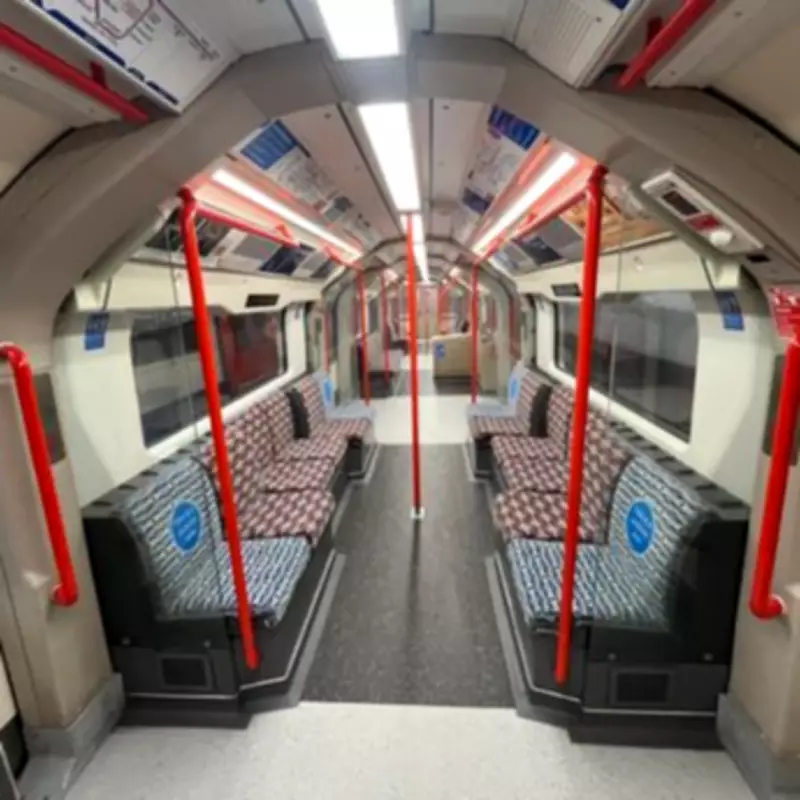
The Central line train refurbishment represents one of London Underground's most comprehensive upgrade projects in decades. Each train receives substantial improvements including:
- Completely new seating arrangements throughout all carriages
- Designated wheelchair bays with improved accessibility features
- Comprehensive CCTV coverage across all passenger areas
- Modern information screens displaying station names and service updates
Originally conceived approximately ten years ago, this £500 million refurbishment program was developed as a cost-effective alternative to purchasing an entirely new fleet of trains, which was estimated to cost around £1 billion. The project aims to extend the operational lifespan of Central line trains, which were originally constructed in the early 1990s, ensuring they remain in service for at least another fifteen to twenty years.
TfL has explicitly stated there is no expectation that the project will require extension beyond the 2029 deadline, despite external analysis suggesting that if current progress rates continued unchanged, complete refurbishment might not occur until 2043. The transportation authority remains confident in its projected timeline and implementation strategy for this critical infrastructure investment.