They lurk beneath our wheels, treacherous craters waiting to ambush unsuspecting drivers at any moment. Potholes have become an epidemic across Britain's road network, with some so cavernous that locals joke you could practically swim in them. The situation has deteriorated to such an extent that one community has taken matters into their own hands with a humorous yet pointed protest.
Welcome to Potholesville: A Road's Renaming Rebellion
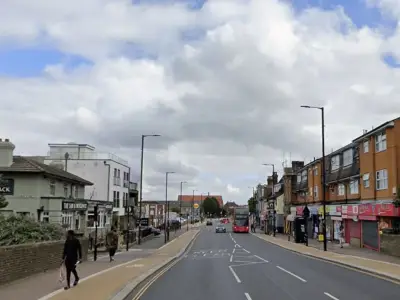
Residents of Old Bridge Way in Shefford, Bedfordshire, have made their frustration impossible to ignore. Over the weekend, they erected a makeshift sign declaring their street "Welcome to Potholesville" – a sarcastic rebranding that highlights years of neglected repairs. This thoroughfare serves as the only access route to the local supermarket, yet has deteriorated into what Labour MP Alistair Strathern describes as a "Tough Mudder course" for vehicles.
The protest has sparked a political confrontation between local representatives. Strathern initiated a petition demanding that Central Bedfordshire Council address the hazardous conditions. However, this prompted a sharp response from councillor John Baker, the executive member for highways, who revealed the road's complicated ownership status.
A Tangled Web of Responsibility
Councillor Baker explained on social media that the developers originally responsible for this private road went bankrupt, leaving the street without an official owner. "It is not reasonable for the taxpayers of Central Bedfordshire to fund private road adoption for one company," Baker asserted, shifting the debate toward legislative solutions rather than immediate repairs.
This standoff in Bedfordshire reflects a nationwide dilemma: who should bear responsibility for maintaining infrastructure when original developers disappear, and how can communities force action on dangerous road conditions?
Government Intervention: Too Little, Too Late?
Transport Secretary Heidi Alexander recently announced a £7.3 billion initiative to help local highway authorities tackle Britain's pothole problem. "For too long, drivers have paid the price because our roads were left to deteriorate," Alexander stated, acknowledging the financial burden motorists face when repairing pothole-related vehicle damage.
Yet many question whether this substantial investment will adequately address a crisis that has been worsening for years. With road maintenance backlogs growing and climate change increasing weather-related damage, some experts worry the funding may prove insufficient against the scale of the problem.
Voices from Across the UK: A Nation of Pothole Plague
Metro readers have shared their experiences, painting a vivid picture of a national infrastructure crisis:
- Theresa Wilson observed: "When it rains they become plunge pools."
- Cat Thomas warned: "Some are so big if you hit one on a bicycle you would never be seen again."
- Phillip Buck offered a darkly humorous perspective: "In my area it's the potholes that are holding the road together."
Complaints span the country, with particular criticism directed at specific local authorities:
- Pam Briggs condemned conditions in Huddersfield: "Should see the state of them in Kirklees – they're like race tracks. Disgraceful."
- Katherine Starmer described Northampton's roads: "You spend more time dodging them than you do actually getting to where you need to be."
- John Elf from Tameside suggested extreme measures: "It's that bad you need to take sea sickness pills before going out."
Repairs That Don't Last
A handful of readers reported recent resurfacing work in their areas, but few expressed confidence in its longevity. Neil Sayer captured this skepticism perfectly: "The main road I live off got resurfaced last year so it's not bad at the moment. But going by past experiences, I expect it to start being dug up by various different companies... so it will be back to the usual state within another couple of years."
This cycle of temporary fixes followed by rapid deterioration highlights systemic issues in how Britain maintains its road network. Without more durable solutions and consistent funding, communities may continue facing the same problems year after year.
The Bigger Picture: Infrastructure in Crisis
The "Potholesville" protest in Shefford represents more than just one community's frustration – it symbolizes a nationwide infrastructure crisis affecting urban and rural areas alike. As climate change brings more extreme weather patterns, including freeze-thaw cycles that accelerate road deterioration, the challenge will likely intensify.
Beyond immediate safety concerns, potholes contribute to increased vehicle maintenance costs for drivers, higher emissions from inefficient driving patterns as motorists swerve to avoid damage, and economic impacts through delayed deliveries and reduced accessibility.
The government's £7.3 billion commitment marks recognition of the problem's scale, but its effectiveness will depend on implementation, prioritization of the worst-affected areas, and whether funding reaches communities like Shefford where ownership disputes complicate repair efforts.
As Britain's roads continue to deteriorate, the question remains: will substantial investment and improved maintenance strategies finally address this decades-old problem, or will drivers continue navigating obstacle courses disguised as public highways?