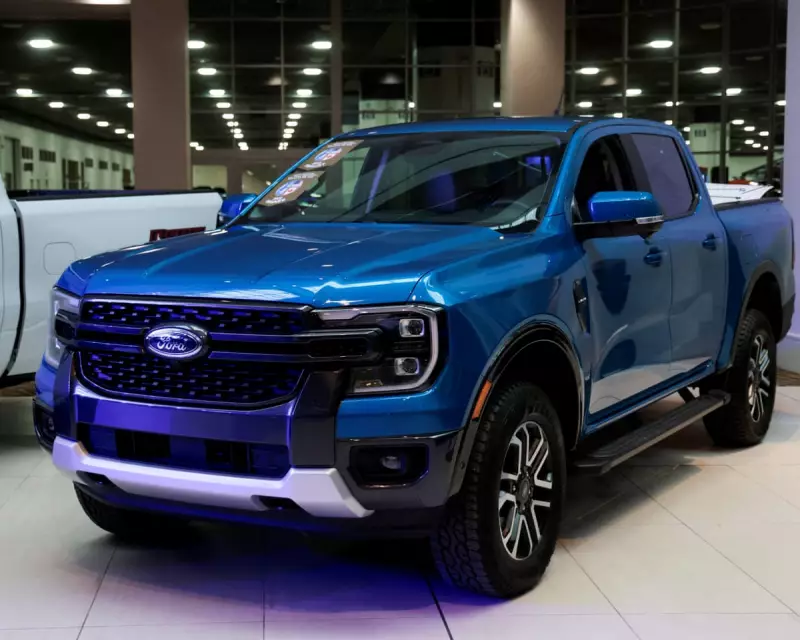
Exclusive analysis of Department for Transport data has revealed a dramatic surge in the number of US-style pickup trucks on British roads, with registrations increasing by 92% over the past decade. This significant growth has raised serious concerns among campaigners about pedestrian safety, environmental impact, and the suitability of these large vehicles for UK urban environments.
Alarming Growth in Pickup Truck Numbers
The data, compiled by the campaign group Clean Cities, shows that close to 600,000 pickup trucks are now registered in the UK, a substantial increase from 308,103 vehicles in 2014. This represents a near-doubling of the pickup truck fleet in just over ten years, with the ten most common models accounting for more than half a million registered vehicles.
Most Popular Models on UK Roads
The Ford Ranger has emerged as the most commonly owned pickup truck in the country, followed closely by the Toyota Hilux. Other popular models include the Mitsubishi L200 and Nissan Navara, all of which contribute to the growing presence of these substantial vehicles on British streets.
Safety Concerns for Pedestrians and Cyclists
Campaigners have expressed particular alarm about the safety implications of this trend, describing these vehicles as "menacing" and highlighting their dangerous design features. The substantial height and weight of pickup trucks create significant blind spots that can obscure children from drivers' view.
Oliver Lord, UK head of Clean Cities, stated: "This boom in US-style pickup trucks is lifestyle over practicality in exchange for parking mayhem and dangerous roads. City leaders must act to discourage these menacing vehicles from our streets. How is it acceptable to have a vehicle so tall that children cannot be seen?"
The Visibility Problem
Research indicates that the Ford Ranger, weighing between 2,200kg and 2,400kg with a bonnet height exceeding one metre, has a front blind zone large enough to conceal several children. Similarly, the Toyota Hilux weighs between 2,100kg and 2,300kg with a 1.05 metre bonnet height, creating comparable visibility challenges.
International crash data reveals alarming statistics: pedestrians or cyclists struck by pickup trucks face a 90% higher likelihood of serious injury compared to those hit by regular cars, and an almost 200% increased chance of fatality. The height of these vehicles means they strike higher on the body, making fatal head and chest injuries more probable than survivable leg injuries.
Environmental Impact and Urban Challenges
Beyond safety concerns, pickup trucks present significant environmental challenges. These vehicles typically produce higher emissions than standard cars, contributing to air pollution problems in urban areas. Their substantial size also creates practical difficulties in UK towns and cities, where narrow streets, limited parking spaces, and school environments are ill-suited to accommodate such large vehicles.
Jemima Hartshorn, founder of Mums for Lungs, commented: "These pickup trucks are built like battering rams and pump out pollution like chimneys. For children, that's a deadly combination – invisible at the front of the vehicle and breathing in the fumes from the back. No parent wants their kids in daily danger, yet we're allowing these trucks to become normal on our streets."
Campaigners' Demands for Action
Clean Cities is advocating for several measures to address these concerns, including:
- Increased parking charges for larger and more dangerous vehicles
- Application of enhanced safety standards to pickup trucks
- Implementation of visibility tests to ensure drivers can see children from their seats
- Greater awareness of the disproportionate risks these vehicles pose to vulnerable road users
The organisation emphasises that many of these pickup trucks exceed the length of second world war tanks, highlighting their unsuitability for typical UK road infrastructure. As the number of these vehicles continues to grow, campaigners argue that urgent action is needed to protect public safety and mitigate environmental harm.