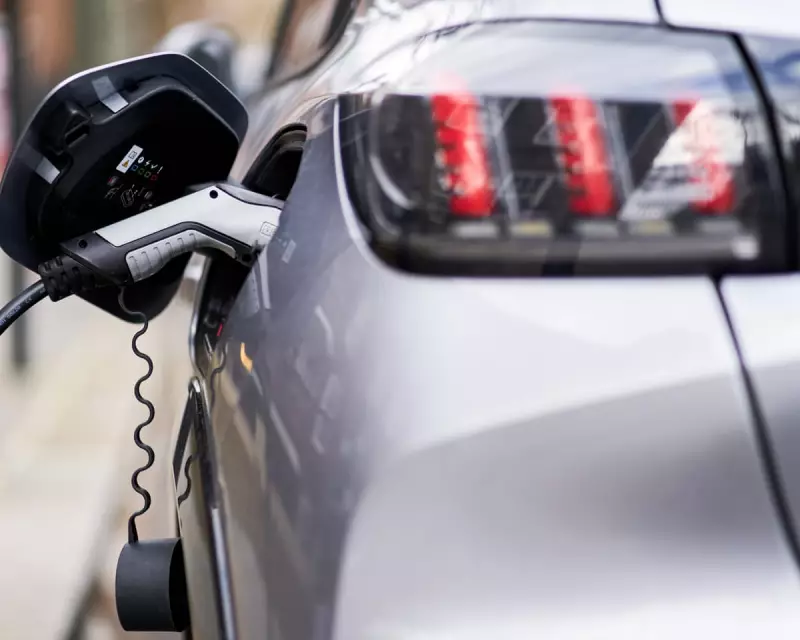
The UK government is preparing to revolutionise how drivers pay for using roads, with electric vehicles set to face per-mile charges as early as 2026. This radical shift represents the first significant overhaul of vehicle taxation in generations and aims to address the growing revenue shortfall from declining fuel duty.
The End of the Road for Traditional Tax Models
Chancellor Rachel Reeves confirmed the government would publish a consultation on road pricing early next year, setting the stage for what ministers describe as "the biggest change to motoring taxation in half a century." The current system, which relies heavily on fuel duty and vehicle excise duty, is becoming increasingly unsustainable as more drivers switch to electric vehicles that pay minimal road taxes.
The Treasury faces a substantial financial gap, with official forecasts predicting the transition to electric vehicles will create a £5 billion annual shortfall in motoring taxes by 2030. This figure could rise dramatically to £10 billion by 2035 as the 2035 ban on new petrol and diesel car sales takes effect. Transport Secretary Louise Haigh emphasised that "doing nothing is not an option" given these financial pressures.
How the New System Will Work
The proposed system would see drivers paying different rates based on vehicle type, time of travel, and congestion levels. Electric vehicles are likely to be charged approximately 2p per mile initially, while heavier petrol and diesel vehicles would face higher rates of around 6p per mile to account for their additional environmental impact.
Government sources indicate the technology for tracking mileage could work through several methods, including onboard telematics systems, periodic odometer checks at MOT test centres, or using existing black box technology already common in insurance policies. Ministers have repeatedly assured drivers that any new system would be designed to be revenue-neutral for most motorists, meaning the average driver would pay roughly what they do now.
However, the reforms will inevitably create winners and losers. Urban drivers covering shorter distances may benefit, while rural motorists and businesses reliant on vehicle use could face higher costs. The government has promised to consider these regional disparities carefully during the consultation process.
Broader Implications and Industry Response
This initiative represents just the beginning of a comprehensive review of motoring taxation. The existing vehicle excise duty system is also under scrutiny, with potential reforms that could better reflect a vehicle's environmental impact. The first per-mile charges are expected to be introduced in 2026, with a full rollout potentially completed by the end of the decade.
Industry responses have been mixed. The AA has warned that public acceptance will depend heavily on the perceived fairness of the system and how the revenue is reinvested into transport infrastructure. Meanwhile, environmental groups have broadly welcomed the principle of making polluters pay more but emphasise that any system must actively encourage the shift to cleaner vehicles rather than simply replacing lost revenue.
As the government moves forward with these plans, drivers across the UK will be watching closely. The success or failure of this ambitious reform could shape the future of road transport and taxation for decades to come, balancing environmental goals with the practical need to maintain the country's transport network.