British motorists are most likely to break driving laws at precisely 8:27am during the morning rush hour and 7:15pm in the evening commute, according to startling new research that examines the nation's road habits.
The Riskiest Times on UK Roads
A comprehensive survey of 2,000 motorists has uncovered the exact moments when drivers are most prone to ignoring the Highway Code. The study, commissioned by AXA Retail as part of its 'Backseat Boss' road safety education programme, reveals that nearly half (45%) of drivers admit they're more likely to disregard road rules in familiar areas.
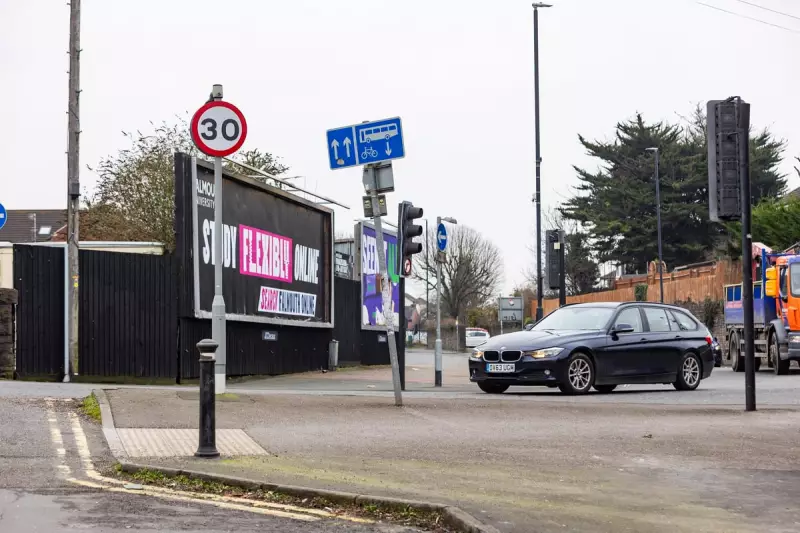
Alarmingly, 26% of respondents confessed to regularly driving above legal speed limits, while more than a quarter (26%) said they might break driving laws when roads appear particularly empty. The research also uncovered some surprising justifications for illegal driving behaviour.
Why Drivers Break the Rules
Medical emergencies emerged as the primary reason for breaking road laws, cited by 33% of motorists. Other significant factors included misjudging speed limits (22%), roads appearing empty or quiet (26%), and even desperate needs for the toilet (15%).
Exactly half of drivers admitted they're more likely to break driving laws while travelling alone in a car. The top ten reasons for ignoring road regulations include being late for appointments, running late for work, and general distraction.
Alain Zweibrucker, CEO for AXA Retail, emphasised the dangers: "It's vital for motorists to stay alert when on the road and avoid distractions that can cause accidents. This is especially important near schools, yet you still see many ignoring signs even when children are nearby."
Consequences and Public Opinion
The financial implications of getting caught are significant. Among the 61% of respondents who had been caught speeding, 29% saw their insurance costs increase, while 18% faced higher excess payments. A concerning 6% even had to move to specialist high-risk insurers.
Public opinion strongly supports enhanced safety measures around schools, with 87% of Britons backing a blanket 20mph speed limit outside primary schools during drop-off and pick-up times. Additionally, 86% believe local authorities should work more closely with primary schools to improve road safety.
Katrina Phillips, CEO of road safety charity Child Accident Prevention Trust (CAPT), warned: "While it might be tempting to speed in an area we know well, what we can't anticipate is a child suddenly running or veering out in front of us. The speed we drive at can be the difference between life and death for that child."
Despite safety concerns, 22% of drivers believe current UK speed limits are too low, though 67% consider them 'about right'. The research highlights the ongoing tension between driver convenience and road safety, particularly during peak commuting hours when law-breaking peaks.