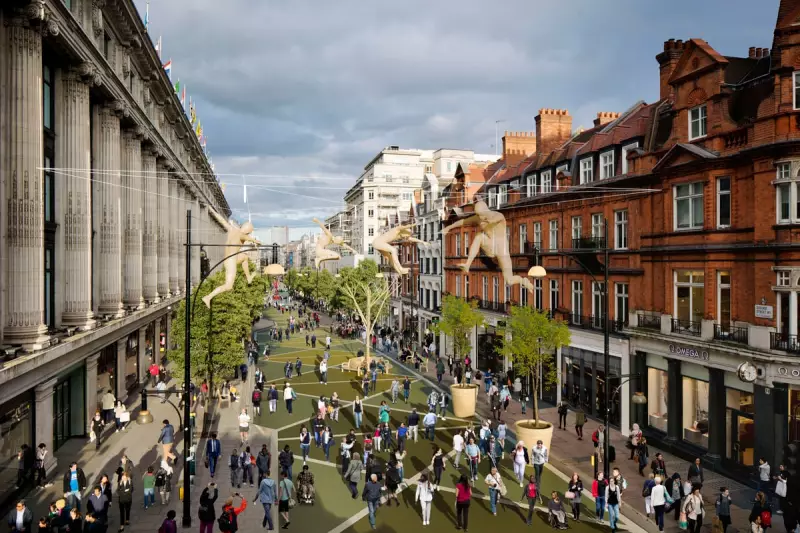
London's iconic Oxford Street faces a dramatic transformation as Mayor Sadiq Khan pushes forward with controversial pedestrianisation plans that local residents have labelled "dangerous, unworkable and catastrophic" for surrounding neighbourhoods.
Residents Warn of Traffic Chaos
The Marylebone Association has issued stark warnings about potential "chaos" if the Mayor's vision for Oxford Street becomes reality. The community group represents residents in areas that would be directly affected by the proposed traffic diversions.
Under the detailed proposals unveiled by City Hall and Transport for London (TfL) on November 21, a key section of Oxford Street between Orchard Street and Great Portland Street would close to all private vehicles, buses, taxis, cycles, scooters and pedicabs. Only emergency services would retain full access to the famous shopping street at all times.
The association emphasised that despite half a century of failed pedestrianisation attempts, the Mayor is proceeding with what they describe as an undemocratic approach through a new Mayoral Development Corporation that removes Westminster Council's oversight.
What the Pedestrianisation Plan Involves
The consultation, running until January 16, outlines several key measures designed to transform the nation's most famous high street:
- Service and delivery vehicles permitted access only between midnight and 7am
- Installation of new and wider pedestrian crossings
- Rerouting buses serving Oxford Street along Wigmore Street and Henrietta Place
- New bus stops, taxi ranks and drop-off locations near the pedestrianised zone
- Potential increase in blue-badge parking bays in the area
- New cycle routes, with cycling banned through the pedestrianised section
City Hall claims increased journey times for rerouted buses would be "less than a minute", though residents remain deeply sceptical about this assessment.
Neighbourhood Impact and Accessibility Concerns
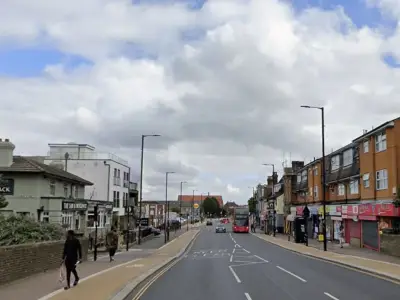
Residents fear that closing the half-mile long east-west traffic artery will force significant volumes of traffic into surrounding residential areas including Marylebone, Mayfair, Fitzrovia and Soho. "Oxford Street may be car-free—its neighbours will not be," the association warned.
The proposals have raised serious accessibility concerns, with critics arguing they would break up established bus routes and force elderly, disabled, low-income workers and carers to walk 200-400 metres to new diverted stops while making additional interchanges.
A spokesperson for the Marylebone Association delivered a scathing assessment: "This is not regeneration—it is vandalism. It takes a functioning street and breaks the neighbourhoods around it. The Mayor is selling a fantasy while ignoring the real-world consequences for residents, workers, businesses and vulnerable Londoners."
The group also warned of potential increases in street crime and rough sleeping as a consequence of the changes.
Mayor's Vision for a Greener Future
Mayor Sadiq Khan has defended the plans as "urgent action" needed to revitalise Oxford Street. He stated: "A reimagined Oxford Street can bring the world to London and showcase the best of London to the world, and I'm pleased that we're now moving ahead with our exciting plans to regenerate this iconic area, backed by the vast majority of Londoners and businesses."
The proposals rely on establishing a new Mayoral Development Corporation to gain control of the area, a move that has already received backing from both the Government and the London Assembly.
Previous consultation ending in June showed 66% of Londoners supported proposals to regenerate and pedestrianise Oxford Street, with 69% expressing support for creating an MDC.
Claire Mann, Chief Operating Officer at TfL, commented: "Oxford Street is an iconic location, and these proposals would see the key section from Orchard Street to Great Portland Street pedestrianised – creating a safer and more pleasant overall experience when shopping, dining or simply exploring the area."
Subject to consultation results, delivery of the scheme could begin in the second half of 2026, marking one of the most significant transformations to central London's transport landscape in decades.