Petition Forces Council Debate on Low Traffic Neighbourhoods
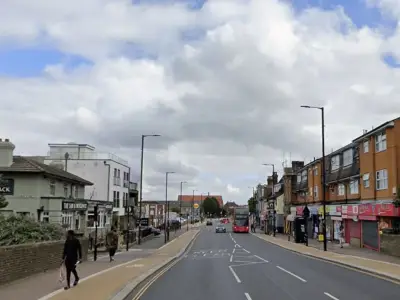
More than 1,500 people have signed an e-petition demanding the reopening of key roads in Hackney, East London, creating a significant challenge for the Labour-run council. The petition criticises the council's extensive rollout of Low Traffic Neighbourhoods (LTNs), accusing it of following "urban theory and not real life" with little input from residents.
The petition states that residents are being pushed to the outskirts of their own borough, with ten-minute journeys now taking over half an hour. This is causing severe disruption for parents, carers, elderly and disabled residents, and is reportedly holding back emergency services and damaging local businesses.
Do LTNs Actually Improve Air Quality? Data Sparks Doubt
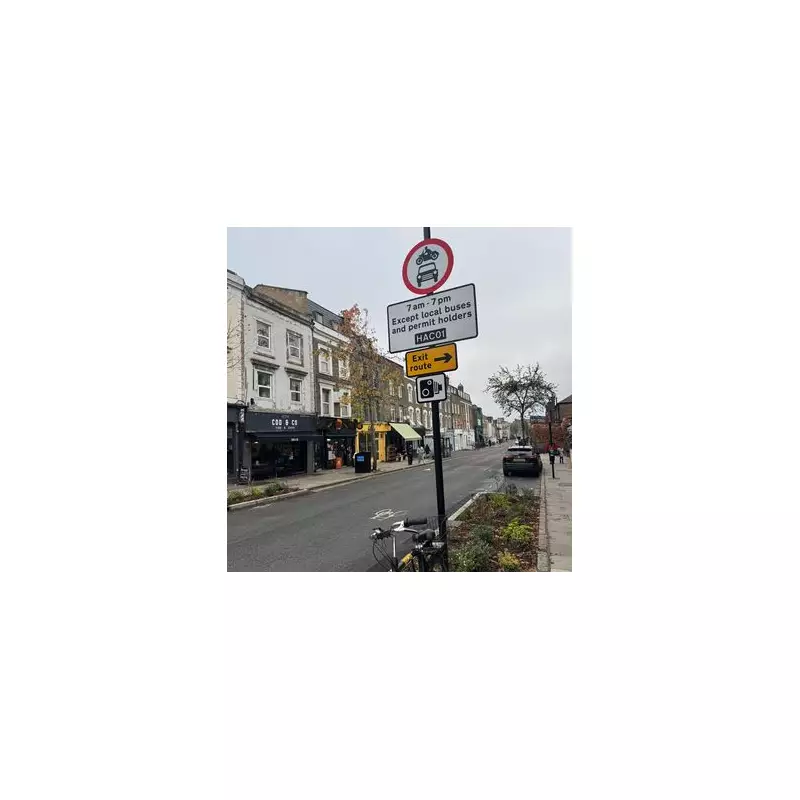
Hackney now has 19 LTNs, the most of any London borough, covering half of its total area. Since their introduction in 2020, 70% of the borough's roads have fallen within these zones. However, the petition has gained traction just as the council published new air quality data.
The statistics reveal that while harmful emissions like nitrogen oxides have fallen since 2017, the rate of decline has not accelerated since LTNs were introduced in 2020. Pollution levels at key junctions like Pembury Circus have remained stubbornly high.
This data prompted Labour councillor Anna Lynch to voice her "lack of confidence" in the schemes, stating they "hadn't really made much of a dent in air quality." She described a "dreadful experience" trying to get a relative to Homerton Hospital through an LTN and highlighted that residents in areas with social housing are suffering from a concentration of emissions due to idling traffic.
A Council Divided and a Public Unconvinced
The internal Labour rift is further evidenced by Councillor Ian Rathbone, who said the policies had upset many residents who feel the benefits are not being properly explained. He advised council officers that they must explain the rationale for LTNs "again and again, every single day."
In a council survey from September 2025, the majority of respondents (57%) reported a negative view of the low-traffic zones. This public sentiment aligns with the concerns raised by the petition.
In contrast, the borough's climate chief, Councillor Sarah Young, defended the LTNs. She stated there is "clear evidence" they are delivering real benefits, citing an average 38% reduction in traffic inside the zones and a 2% fall on boundary roads. She asserted that the council's research shows the benefits are not unequal and are not just felt in "leafier and more wealthy areas."
Despite the council's stance, it acknowledged in April 2025 that it had failed to sufficiently reduce stubborn air pollution and that main roads were still dominated by motor traffic. The council has pledged to continue monitoring data and listening to residents to ensure the schemes "work for everyone." With the petition having crossed the 750-signature threshold, a full council debate on the future of Hackney's LTNs is now guaranteed.