Council Votes to Make LTNs Permanent After Year-Long Trial
Greenwich Council has decided to make its controversial Low Traffic Neighbourhood (LTN) schemes permanent, despite ongoing concerns from residents living on boundary roads who report feeling less safe due to increased traffic. The decision follows a year-long trial of the West and East Greenwich Neighbourhood Management Trial Scheme that began last November.
Mixed Results: Success Within Zones, Problems on Boundaries
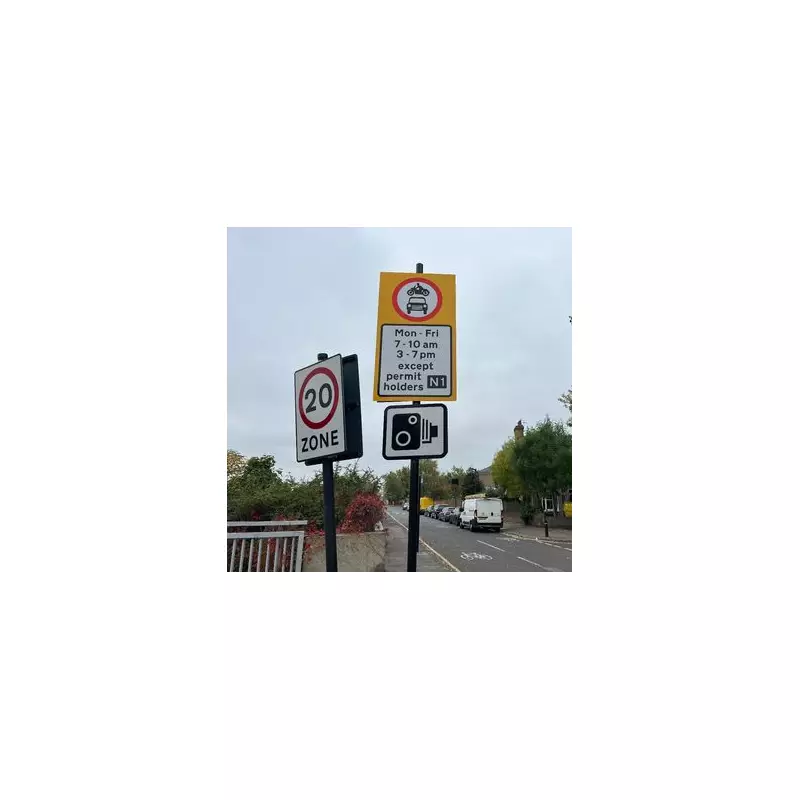
The council moved to make the LTNs permanent after data showed the scheme had decreased traffic throughout the entire area by 6 per cent. Air quality within the LTN areas showed slight improvement, although council officials described this as only "negligible". The scheme uses camera-enforced filters that restrict traffic from 7am to 10am and from 3pm to 7pm on weekdays.
Residents living within the LTN boundaries reported significant improvements to their daily lives. Colin Humphries, who lives on Maze Hill with his wife and two children, explained that before the scheme began, his family was "dangerously close passed by cars on the way to nursery four times" in just one week. He added: "In the last 10 months while the scheme has been in operation we have not been close passed once."
East Greenwich resident Kate Middleton praised the scheme for making roads safer for young people, noting that over 1,000 children now walk to school more safely and pleasantly than in previous years.
Charlton Residents Bear the Brunt of Displaced Traffic
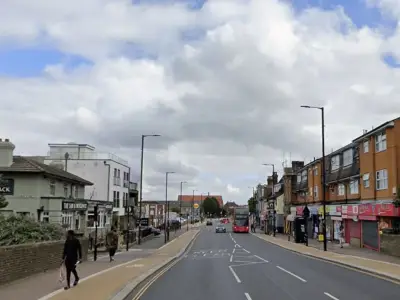
While those inside the LTNs celebrate, residents on boundary roads in Charlton report worsening conditions. Council studies confirmed the scheme has pushed traffic onto other roads, particularly creating a north-south 'rat run' in Charlton that runs past Fossdene Primary School.
Sarah Hornsey of the Charlton Central Residents Association expressed the frustration of many: "We are experiencing traffic jams and very aggressive behaviour from drivers which is compromising the safety of pedestrians. I experience this myself daily. The scheme sought to make our area safer and cleaner for everyone, but it is completely failing those of us who live on the boundary roads."
John Tierney, an Eastcombe Avenue resident living along the affected route, called the LTN scheme a "social injustice" and demanded the council "cancel this failed experiment."
Council Promises Mitigation Amid Skepticism
Councillor Calum O'Byrne Mulligan, Cabinet Member for Climate Action, Sustainability and Transport, assured Charlton residents that once the LTN scheme was made permanent, the council would explore mitigation measures. He suggested these could include turning restrictions, new crossings, or changes to existing junctions.
However, Benjamin Dholakia-Wellens and other Charlton residents expressed skepticism, stating they "aren't convinced there are mitigations" that could solve the increased traffic problems. "It's all very well waiting and see what will happen, but we see more and more traffic on Eastcombe Avenue particularly and it's not safe," he warned.
Independent Councillor Lakshan Saldin, who called in the decision along with Green Councillor Tamasin Rhymes, criticised the "negligible" air quality improvement, noting the reduction of air pollutants was "in the billionths of a gram." He also revealed that traffic had actually increased on some boundary roads during the afternoon filter slot of 3pm to 7pm.
Safety Data Shows Improvement Despite Concerns
Council officers presented data showing that collisions and casualties had decreased following the LTN implementation. In the six months before the scheme, there were 51 collisions and 58 casualties in the affected areas and boundary roads. After implementation, these numbers dropped to 29 collisions and 32 casualties.
Council Leader Anthony Okereke defended the scheme, arguing it must be viewed holistically and that "we cannot pick and choose data points." He emphasized that the overall 6 per cent traffic reduction represented positive progress toward changing travel behaviour.
After hearing presentations from councillors and residents, the Overview and Scrutiny Call-in Sub-Committee—consisting of three Labour councillors—decided to take no further action, allowing the LTNs to become permanent. Chair Councillor Lauren Dingsdale urged continued monitoring of boundary roads and prompt public release of the data.