Frustrated residents in a South London neighbourhood have voiced their anger after a homemade speed camera that successfully slowed dangerous drivers was abruptly removed by authorities just days after appearing.
Community Takes Matters Into Their Own Hands
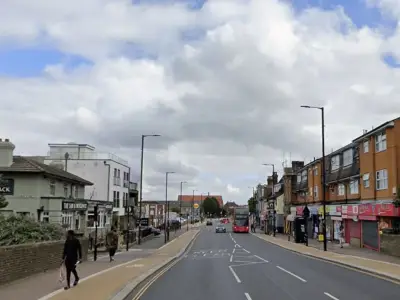
People living on Sandhurst Road in Catford, South East London, had reached breaking point with what they describe as uncontrolled speeding and frequent collisions. Local accounts suggest the street experiences approximately four crashes every month, alongside a constant stream of buses that rattle homes every three minutes.
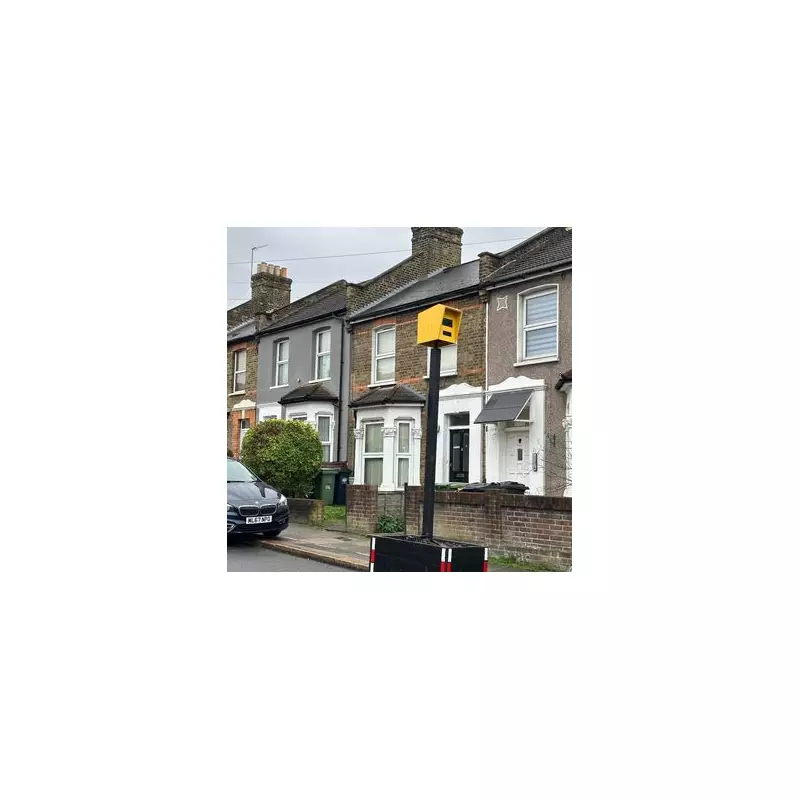
After what residents claim was insufficient action from official channels, an unidentified individual decided to tackle the problem directly. On Monday, November 10, a surprisingly convincing fake speed camera appeared on the street, immediately catching the attention of both motorists and locals.
Brief Success and Swift Removal
According to multiple residents, the makeshift enforcement measure produced immediate results. Motorists began reducing their speed along the 20mph limit road, creating what locals described as a "calmer" and safer environment almost overnight.
Members of both the Safer Sandhurst & Sangley group and the neighbouring Together for Verdant Lane group celebrated the mystery installer as a community champion. One anonymous resident commented: "No idea who made it - but it was pretty convincing. And it really did slow traffic down. The difference was surprising."
However, the success was short-lived. By Wednesday morning, just two days after its appearance, video footage captured a crane removing the structure. The swift action by authorities has left many questioning why similar urgency isn't applied to implementing permanent traffic calming solutions.
Longstanding Safety Concerns Ignored
Data obtained through Freedom of Information requests reveals the scale of the problem. There have been over 17,000 incidents of speeding buses on Sandhurst Road since 2021, with some vehicles travelling at more than double the 20mph speed limit.
Transport for London confirmed that 85 crashes involving buses have occurred over the last four years, including collisions in neighbouring Sangley Road. Another FOI request submitted by residents showed 74 reported crashes on Verdant Lane between 2019-2024, more than three times the rate of surrounding areas.
William Bloomfield, 37, who has lived on attached Verdant Lane for over five years with his wife and toddler, compared the area to the action series Mad Max. He explained: "You get cars blasting down at 60mph. It often makes Verdant Lane feel more like a scene from Mad Max than a residential road filled with families and young children."
Bloomfield added that the community has been engaging with the council for about a year without meaningful progress. "We are just getting absolutely nowhere with the council," he stated. "There isn't the support that we need."
Another resident, Eddy Scoble, 40, admitted he thought the camera was genuine and was disappointed by its removal. "The road was so much quieter, and drivers didn't overtake me as fast as well," he noted.
Council Response and Ongoing Safety Concerns
Lewisham Council issued a statement strongly discouraging residents from installing fake signs or cameras, warning that legal action could follow if such installations lead to accidents.
Meanwhile, residents continue to voice serious concerns about their safety. The anonymous resident who spoke earlier highlighted the particular danger for cyclists: "I am a cyclist, and my road is the scariest bit of my commute - people treat it like a motorway."
Bloomfield revealed the extent of property damage caused by speeding vehicles: "It is causing a lot of damage too, we have had entire houses destroyed by speeding cars. There have been dozens of our cars that had to be scrapped because they were damaged so bad."
The incident has highlighted the growing frustration among communities feeling neglected by official traffic management systems and the desperate measures some are willing to take to protect their neighbourhoods.