The Electric Vehicle Taxation Controversy
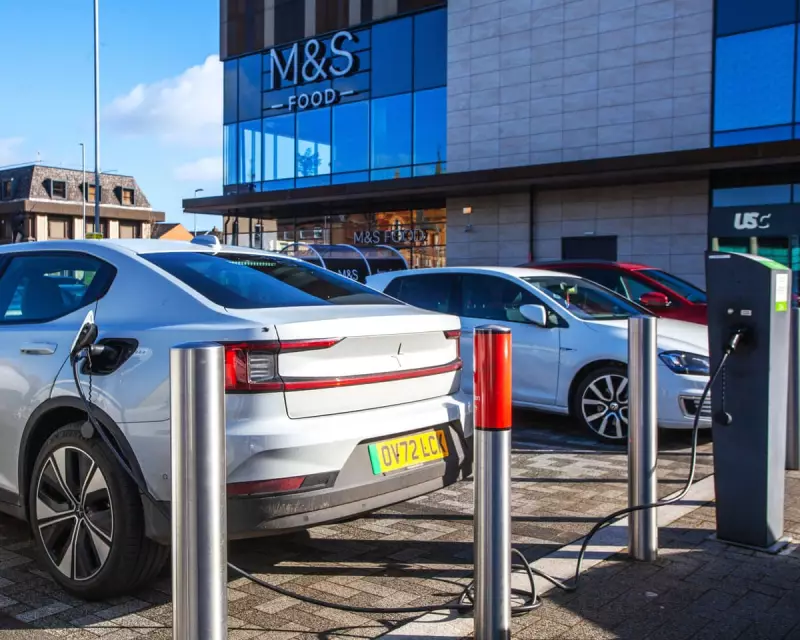
Chancellor Rachel Reeves has sparked significant debate with her proposal to introduce a pay-per-mile tax levy on electric vehicles, a move that has drawn criticism from motorists and experts alike. The controversial plan, revealed in early November, suggests that hybrid vehicles would pay a reduced rate while still being subject to the usual road tax.
The proposed system would require drivers to predict their annual mileage in advance, then either pay additional charges or reclaim money depending on whether they underestimated or overestimated their actual usage. This cumbersome approach has raised concerns about administrative complexity and potential inefficiencies within the DVLA, which would oversee the collection and repayment system.
A Fairer Alternative: Road Tolls
Paul F Faupel from Somersham, Cambridgeshire argues that the fairest solution for taxing all motorists involves abolishing road tax entirely and implementing a comprehensive road toll system. This approach would mirror existing models used on the Dartford Crossing and M6 toll road, utilizing automatic number plate recognition (ANPR) technology.
The proposed system would employ an in-car dongle connected to either a credit card account or dedicated debit account, creating a genuine pay-as-you-drive mechanism. These dongles could be renewed similarly to current road tax and preloaded with funds, with low balance alerts ensuring continuous operation. As vehicle technology advances, this functionality could be integrated directly into vehicle systems, accessible only through secure passwords.
For hire vehicles, the system could be programmed to automatically expire at the end of the rental period, providing a seamless solution for temporary vehicle use.
Progressive Taxation Based on Vehicle Impact
Venetia Caine from Glastonbury, Somerset offers another perspective, suggesting that while she recognizes the fairness of pay-per-mile taxation, a flat rate of 3p per mile fails to account for important variables. Having recently switched from a petrol-powered city car to an electric model, she notes that her current vehicle weighs approximately 50% more than her previous one, though it remains lighter than most electric vehicles on the market.
Caine proposes a progressive taxation system based on car size and road wear impact, arguing that heavier vehicles causing more significant road damage should contribute proportionally more. She also highlights that electric vehicle owners already pay a form of fuel tax through VAT on the electricity used to charge their vehicles from domestic supplies.
The debate continues as the government seeks to address the growing revenue gap created by the shift away from traditional fuel duty, with motorists advocating for systems that balance fairness with practical implementation.