Britain's driving test system is in gridlock, with learner drivers facing an average wait of 22 weeks for a practical test. A critical shortage of examiners and a booking system exploited by bots have created a perfect storm, pushing the government's target for a seven-week wait back by years.
The Examiner Exodus: A 'Thankless' Job with Poor Pay
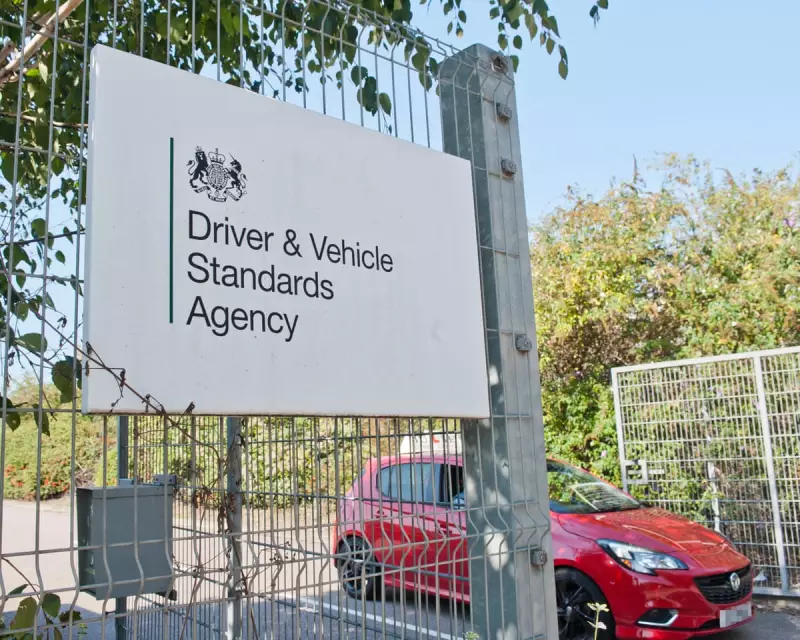
According to a recent National Audit Office (NAO) report, a key driver of the crisis is a haemorrhaging of staff from the Driver and Vehicle Standards Agency (DVSA). Since 2021, 19 recruitment campaigns have resulted in a net gain of only 83 examiners, a drop in the ocean compared to demand. The NAO concluded that plans to reduce waiting times to seven weeks by the end of this year will now not be achieved until November 2027.
Former examiners cite poor pay and conditions as primary reasons for leaving. DVSA examiners are classed as executive officers in the civil service, with salaries maxing out at just over £30,000. Leon Woodman, 35, from Devon, left his examiner role in June 2023. "I moved on because of the money," he said. "I was growing a family and I was jealous of a few mates of mine who were hybrid working." He noted that after COVID-19, driving instructors' lesson prices rose significantly, making their earnings potential far greater than that of a salaried examiner.
Joshua Ramwell, a 39-year-old driving instructor from Stafford, echoed the sentiment, calling examining a "thankless job." He observed that when a candidate passes, the instructor is usually thanked, but when they fail, the examiner often bears the blame.
A Broken System: Bots, Inflation, and Close Calls
Compounding the staffing issue is a booking system described by critics as "dodgy." The system is vulnerable to bots and unscrupulous third parties who snap up test slots and resell them at hugely inflated prices, putting genuine learners at a disadvantage.
Jason Sykes, 54, from Dewsbury, a former examiner who has since returned to instructing, raised these concerns directly with senior DVSA figures, including the then-chief executive Loveday Rider. "It's not fair on the learner," Sykes stated, highlighting how the flawed process exacerbates the backlog.
The job itself carries significant, often unseen, pressure. Examiners frequently intervene to prevent accidents during tests, only to have to immediately compose themselves for the next candidate. Sykes recalled a harrowing incident with a young woman testing in her own, unfamiliar car, who nearly pulled out in front of a fast-approaching car transporter. "I went drip white," he said, a moment that underscored the immense responsibility of the role.
Glimmers of Hope Amid the Gridlock
Despite the challenges, former examiners remember the profound rewards of the job. For Woodman, it was about being the cheerful, encouraging presence he lacked during his first test attempt. Sykes fondly recounted passing Jean, an 82-year-old woman who had resumed learning after her husband died. "It was amazing and lovely giving somebody that age a pass certificate," he said.
For instructors like Ramwell, the reward comes from witnessing students' "lightbulb moments," mastering a complex manoeuvre like a roundabout. However, the profession is not without its perils; he recounted a student with severe anxiety who performed an emergency stop on a 30mph road after being tailgated, resulting in a collision.
The current reality, however, remains one of frustration for thousands of learners. With a critical shortage of personnel and a system in need of urgent reform, the path to a driving licence in Britain is now longer and more arduous than ever, with no swift solution in sight.