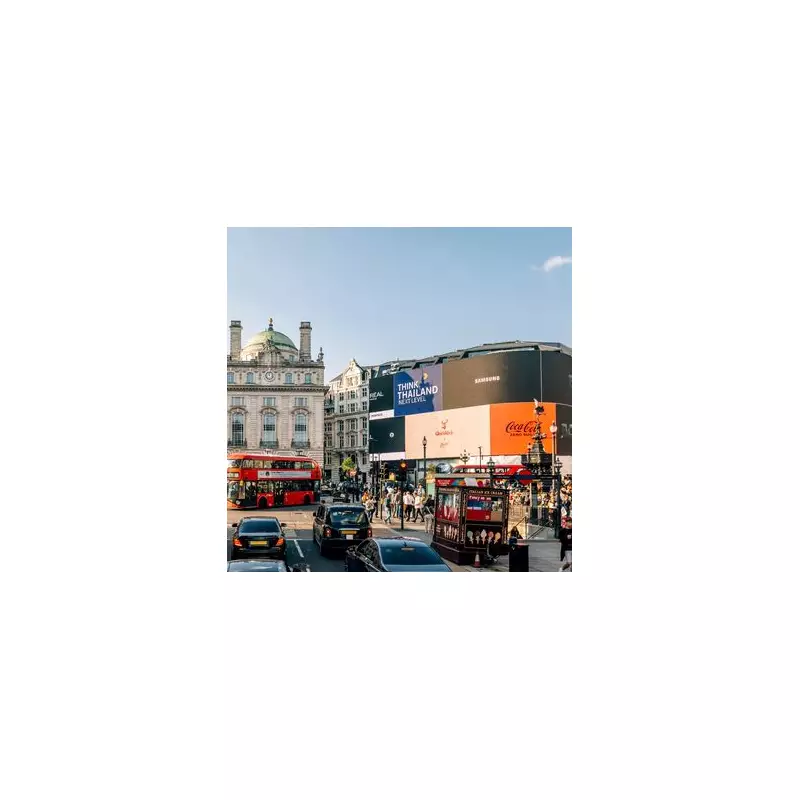
Ambitious plans to transform the heart of London's West End with significant pedestrianisation and new public spaces have received backing from 60 per cent of consultation respondents. The proposals, focusing on Regent Street, Haymarket, and Piccadilly Circus, aim to create a more people-friendly zone but have also sparked notable opposition, particularly from taxi drivers.
What the West End Transformation Plan Involves
The draft masterplan, developed by Westminster City Council in partnership with The Crown Estate, seeks to reimagine a vision first laid out by architect John Nash 200 years ago. The key components include making Regent Street St James's completely traffic-free and greatly enlarging the pedestrian space at Piccadilly Circus.
Other changes proposed are turning Haymarket from a one-way street into a two-way route and delivering a comprehensive "public realm update" along Regent Street. The council states the project would create and improve over five football pitches worth of new public space, with wider pavements, more trees, and better cycling routes.
Strong Support Meets Vocal Opposition
The public consultation, which closed in August 2025, gathered nearly 3,500 online survey responses and involved 1,500 people across 31 events. A summary report published in December 2025 revealed that while 60 per cent supported the overall vision, 36 per cent disagreed.
Support was strongest among cyclists (87 per cent) and people aged 16-34 (83 per cent). The most popular single element was enlarging the pedestrian space at Piccadilly Circus, backed by 62 per cent.
Conversely, the plan faces fierce resistance from the taxi industry. 98 per cent of taxi drivers who responded opposed the scheme. The United Cabbies Group submitted a formal objection, warning the proposals would "fundamentally undermine licensed taxi access" for a wide range of users, removing access to dozens of hotels, restaurants, and shops.
Karen Proctor, Chair of the Group, argued the changes would displace heavy traffic onto other roads, worsening congestion elsewhere in a "canyon effect" that intensifies noise and air pollution.
Agreement on Problems, Disagreement on Solutions
The consultation report highlighted that 'vehicle movement and traffic' was the top theme for both supporters and opponents, indicating a deep divide on the potential impacts. Proponents believe the plan will mean fewer vehicles and a safer, more pleasant experience for pedestrians and families.
One respondent was quoted saying it could bring "more children's laughter on the streets of Central London". Opponents, however, fear it will simply shunt traffic and pollution into surrounding residential streets, harming public health.
The Road Ahead for the West End Plans
The council has described this as a "once in a generation opportunity." Councillor Geoff Barraclough, Cabinet Member for Planning and Economic Development, said the authority is "delighted that London agrees with us."
The proposals will now be refined, with final designs set to be shared as part of a full public consultation in the summer of 2026. Following that feedback, a business case will be submitted to the council's Cabinet and The Crown Estate. If approved, construction on the main scheme is hoped to begin in 2028.
A spokesperson for The Crown Estate emphasised the economic stakes, noting the area contributes £11.3 billion to the national economy and supports 94,000 jobs. The transformation is framed as essential to keeping London competitive and adapting its public realm for the future.