The Rise of the 'Button Edger' Phenomenon
British streets have developed a new breed of pedestrian that's testing the patience of commuters nationwide. Dubbed 'button edgers' by Metro, these frustratingly oblivious individuals are creating unnecessary delays at pedestrian crossings by refusing to press the button that signals their need to cross.
Jessica Lindsay first highlighted this growing urban irritation in her November 24, 2025 report, noting that between painfully slow walkers and reckless cyclists, pedestrians already face enough obstacles. However, button edgers take urban frustration to new levels by ignoring established social protocols at road crossings.
What Exactly Are Button Edgers Doing Wrong?
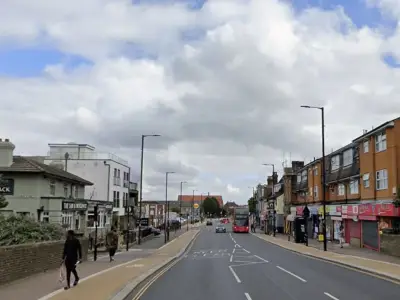
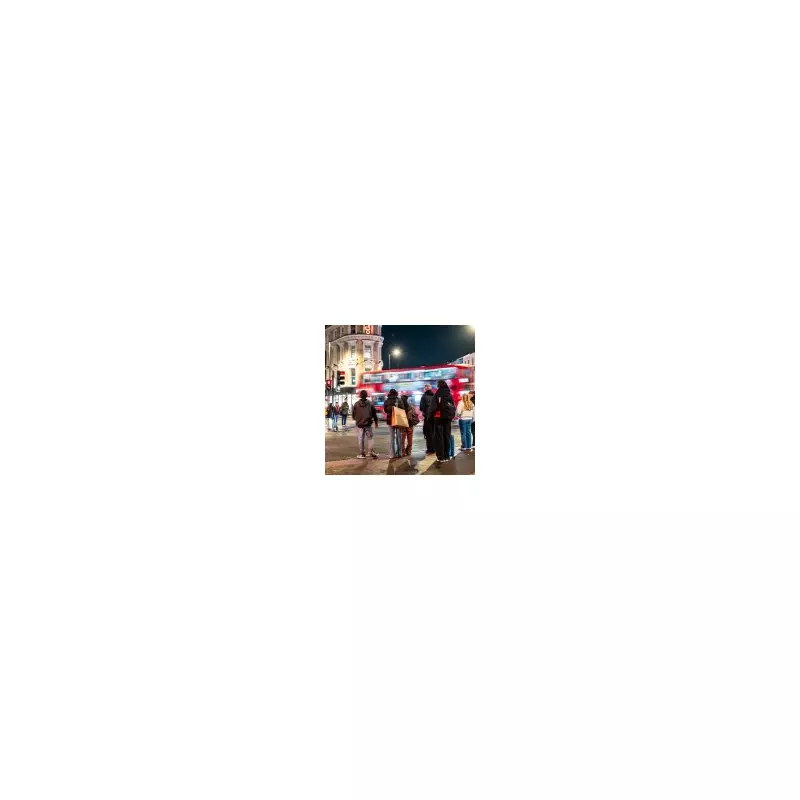
These pedestrians typically stand idly near crossing points, either assuming the lights will change automatically or waiting for someone else to take initiative. Some commit the even more annoying offence of standing directly in front of the signal box, physically blocking others from pressing the button and forcing them to ask for access.
The behaviour represents a banal twist on the concept of 'edging', transferring the practice of delayed gratification from the bedroom to the street. Rather than being a harmless personal quirk, it has genuine consequences for urban flow and pedestrian safety.
Public Outcry and Confusion
On the r/London subreddit, user dannyhazzard recently observed: 'I've noticed this getting more and more common over the last year but now it's crazy. Literally 20 people standing around waiting for the traffic to stop.'
Hundreds of Redditors echoed this frustration. One commented about a friend who refuses to press buttons, claiming they don't change lights faster. The response was blunt: 'It's the f****** council. You think they're gonna spend money on a damn placebo? Have a word with yourself.'
Another user, slip_cougan, reported having to physically push past people to reach the button, while Outrageous_Shake2926 noted that offenders often 'stand in the way so difficult to press the button' and appear to be 'in a world of their own.'
Dharma01 offered perhaps the most succinct summary of public sentiment: 'People are morons.'
While many attribute the behaviour to 'stupidity, lack of initiative and laziness,' some self-confessed button edgers defend their push-shyness as a hygiene concern, particularly in the wake of Covid. Others, like SoloWalrus on r/PetPeeves, simply don't consider it important enough to remember.
Does Pressing the Button Actually Make a Difference?
One common justification for button edging is the belief that pedestrian input doesn't affect light changes - and there's some truth to this, though the reality is more complex.
A Department for Transport spokesperson previously told the BBC that traffic lights 'may be programmed to come up every time even if no-one presses the button', confirming that some operate on timers rather than pedestrian demand.
However, the extent to which pedestrian signals override pre-set timings varies significantly across the country. Investigation reveals that certain inner-city lights operate fully automatically, while others use adaptive systems like SCOOT (Split Cycle Offset Optimisation Technique) that adjust between night and day. In quieter areas, lights often change immediately upon button press.
Most importantly, Transport for London claims the green man is pedestrian-controlled at the majority of London's junction crossings, with similar figures applying to Edinburgh (80%) and Manchester (60%).
Since pelican crossings were decommissioned in 2016, newer installations largely use the puffin system, which features intelligent sensors that cancel requests if pedestrians cross early or walk away. This means cars aren't unnecessarily stopped when no one needs to cross.
The bottom line: while there's no guarantee pressing will always speed up your crossing, it definitely helps in many situations, and there's absolutely nothing to lose by taking that millisecond to push the button.