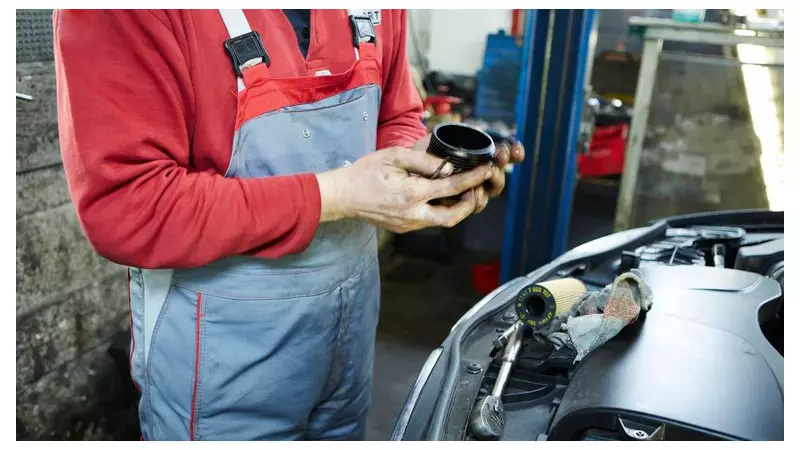
Millions of British drivers experience genuine anxiety when visiting garages for car repairs, with recent research revealing that nearly a quarter feel exploited by mechanics. This widespread concern, often termed 'mechanic anxiety', affects motorists across the UK who dread the confusing terminology and fear of being overcharged.
The seven warning signs of a dishonest garage
Online car parts marketplace Ovoko has identified clear red flags that should alert drivers to potentially dishonest practices. Understanding these warning signs can help you avoid unnecessary costs and stress.
1. Inability to explain problems clearly
When a mechanic cannot break down complex issues into understandable language, consider it your first warning. Be wary of technicians who use excessive technical jargon without simplification or become evasive when you request clarification. Particularly concerning are patronising phrases like "it's complicated" or "you wouldn't understand" when you ask for repair details.
2. No written estimate provided
Reputable garages always supply written estimates for work exceeding basic servicing costs. Verbal quotes create room for "misunderstandings" that typically benefit the garage rather than the customer. Insist on written documentation before authorising any significant repairs.
3. Wildly varying quotes between visits
If you return to the same garage for similar issues but receive dramatically different quotes, question the inconsistency. While parts prices can fluctuate, significant variations in labour costs or repair approaches suggest questionable pricing practices.
Kazimieras Urbonas, supplier excellence manager at Ovoko, explains: "Professional shops maintain consistent pricing structures. If they're quoting you £200 for a service one month and £500 for the same work the next, something isn't right."
Keeping records of previous repairs and quotes helps identify these discrepancies.
4. Pressure for immediate repairs
While genuine urgent repairs exist, be cautious of high-pressure tactics that deny you time to think or seek second opinions. Dishonest mechanics often create false urgency to prevent customers from shopping around.
Be particularly suspicious if they claim your vehicle is "dangerous to drive" but still permit you to drive it away after paying for expensive repairs.
5. Refusing to show replaced parts
When paying for replacement components, you have every right to see what's being removed from your vehicle. Mechanics who refuse this request or claim they've already disposed of the parts might not have replaced anything at all.
6. Discovering 'urgent' problems during routine servicing
Urbonas advises: "A good practice is to ask them to show you each problem they've found. Take photos if possible, and don't feel pressured to authorise everything immediately."
Consider obtaining a second opinion, especially when additional work costs exceed your car's value.
7. Excessively expensive parts
While mechanics deserve fair profit margins on components, some inflate prices unreasonably. Research common part costs online to establish fair pricing benchmarks.
Request itemised estimates separating parts costs from labour, and don't hesitate to question prices that seem excessive.
What to do if you've been overcharged
If you suspect you've been unfairly charged, several practical steps can help resolve the situation. Citizens Advice provides a formal complaint template, but you might need stronger measures.
Important note: During disputes, garages can legally retain your vehicle until bills are paid. To avoid this, you can "pay under protest" by clearly writing these words on the garage's copy of the repair order sheet and any receipt copies. Without this documentation, the garage could later argue you accepted charges by paying the bill.
Alternative dispute resolution options
Your next step involves contacting the garage's trade association if they're members, as many offer free dispute resolution services. Alternatively, ask if the garage participates in an Alternative Dispute Resolution (ADR) scheme, where independent third parties decide outcomes.
Keep records of the garage's response - or lack thereof - if they refuse ADR participation and you consider small claims court action.
Taking legal action in England and Wales
If you have repairs completed elsewhere, you can pursue court action for additional repair costs, though this carries risks. First verify your eligibility, considering the £10,000 claims limit and six-year time limit since the incident.
Evidence proves crucial - without letters, receipts, photos and estimates, pursuing court claims might be unwise according to Citizens Advice. Review court fees carefully; while winners might recover these costs, losers typically must pay them.
The process involves writing a formal claim letter, completing claim forms, and managing defendant responses. Before court hearings, free mediation services attempt to reach agreements.
Legal procedures in Scotland
Scotland's system differs, using "simple procedure" for claims under £5,000 through sheriff court applications. Fees apply: £22 for claims under £300, £123 for more valuable claims.
Claims exceeding £5,000 usually fall under ordinary procedure rules, which are considerably more complex. The Scottish Courts and Tribunals Service advises seeking legal advice for these cases.
By recognising these warning signs and understanding your rights, UK motorists can approach garage visits with greater confidence and significantly reduce mechanic anxiety.