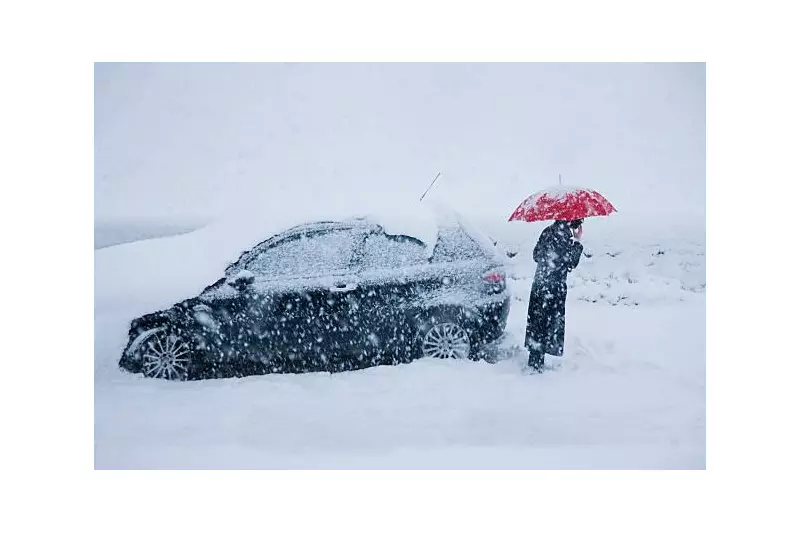
As another cold snap looms over the UK, motorists are being warned of the severe risks posed by winter driving conditions. Data from The AA highlights a dramatic seasonal surge in vehicle failures, with January consistently emerging as the most challenging month for drivers across the nation.
The Alarming Scale of Winter Breakdowns
According to comprehensive figures from The AA, the roadside assistance provider responds to more than 270,000 breakdowns in an average January, followed closely by around 255,000 in February. This stark increase underscores how colder weather pushes already stressed vehicles to their limits, making winter the toughest period of the year for unprepared motorists.
Why Cars Fail in the Cold
Flat batteries remain the most prevalent cause of winter breakdowns. Lower temperatures significantly reduce a battery's performance, while cold starts demand more power from the engine. This dual pressure means ageing or weakened batteries are far more likely to fail unexpectedly.
The AA also reports a notable rise in non-starting engines and tyre-related issues during the colder months. Dropping temperatures can reduce tyre pressure, and harsh winter road conditions increase the risk of damage. Despite these known hazards, research indicates that only a small proportion of drivers regularly test their battery before the cold weather arrives.
The Dangers of Breaking Down in Winter
Experiencing a vehicle failure in winter isn't merely inconvenient; it can be genuinely hazardous, particularly in freezing temperatures or poor visibility. If a car does break down, the immediate priority is to move to a safe position and use hazard lights and indicators to alert other road users.
Promptly calling roadside assistance is crucial, and being able to share an accurate location can help reduce waiting times, especially in more remote areas. The AA now offers an app-based system that simplifies this process, using a smartphone's GPS to pinpoint the driver's location for patrols.
Essential Preparation and Prevention
Being prepared can make a substantial difference if a breakdown occurs. Carrying a fully charged phone, warm clothing, a torch, and basic emergency supplies can help drivers stay safe and comfortable while awaiting assistance.
Simple preventative measures can also significantly reduce the likelihood of a breakdown. These include:
- Checking the battery's condition regularly
- Ensuring tyres are correctly inflated
- Topping up essential fluids such as coolant and screen wash
- Arranging a proper vehicle service before winter begins
With colder weather forecasted, taking these steps could prevent thousands of drivers from joining the alarming statistics of winter breakdowns.