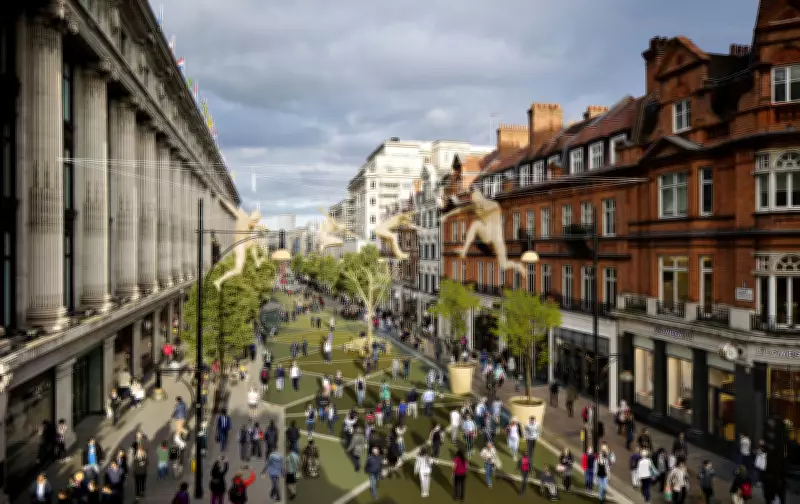
Oxford Street Pedestrianisation Officially Confirmed by London Mayor
London's iconic Oxford Street is set to undergo a historic transformation as Mayor Sadiq Khan has granted final approval for full pedestrianisation of the famous shopping thoroughfare. The decision marks the culmination of nearly a decade of planning and public consultation, with the ambitious project aiming to create one of the world's premier urban pedestrian spaces.
From Vision to Reality: A Decade-Long Journey
Mayor Khan first began working toward a car-free Oxford Street in 2017, with official plans unveiled in 2024. The initiative gained momentum following a successful trial last September when the shopping district went completely vehicle-free for a day, featuring street food stalls and live entertainment. Following two comprehensive consultation rounds involving thousands of Londoners, the mayor gave the green light to proceed with permanent pedestrianisation on February 26.
'I am delighted to be moving forward with my bold vision to transform Oxford Street into a world-leading urban space for shopping, leisure and outdoor events,' Mayor Khan declared. The approved plan will convert much of the iconic road into a walkable promenade stretching from Marble Arch to Tottenham Court Road, with vehicles permanently banned and buses diverted to alternative routes.

Implementation Timeline and Transport Impact
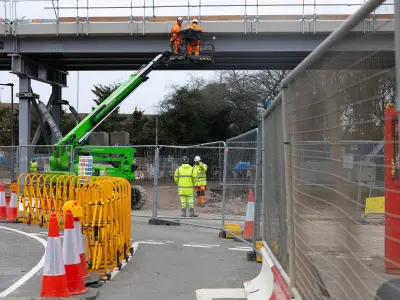
Construction work is scheduled to begin in the coming months and continue through late 2027, with the BBC reporting that vehicles could be banned from Oxford Street as early as September 2026. The pedestrianisation will significantly impact public transport, requiring the rerouting of sixteen bus routes including numbers 7, 94, and 98.
All buses currently serving Oxford Street will be redirected through Wigmore Street and Henrietta Place. Transport for London has assured commuters that journey time differences will be minimal, estimating 'less than a minute' added to typical travel times. Additional cycling infrastructure will be constructed around the shopping district to accommodate alternative transportation methods.
Public Support and Local Adjustments
The pedestrianisation plans have received substantial public backing, with approximately 2,700 people responding to TfL's traffic diversion consultation. City Hall reports that a majority agreed with the proposals, while an initial consultation last summer showed 63 percent of Londoners supported Oxford Street's transformation into a pedestrian zone.
Westminster Council leader Adam Hug emphasized that local authorities have secured key improvements to the original plans: 'We have secured a number of key improvements from the mayor of London's original plans to ensure that the proposals for Oxford Street are more deliverable and better meet the needs of local residents, businesses, and wider London.'
These adjustments include ensuring that the Oxford Street East transformation aligns with Westminster's previous plans that retain bus access, along with the council's retention of strategic development funding. The collaborative approach aims to balance the vision for a pedestrian-friendly shopping destination with practical considerations for local stakeholders and transportation networks.