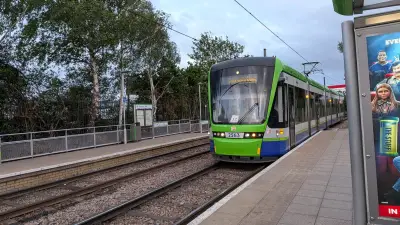
The ambitious plan to connect Leeds and Bradford with a modern tram system has been hit by another significant setback, with the project now delayed by at least two years and its estimated cost soaring to £3.5 billion. The West Yorkshire Combined Authority (WYCA) has confirmed that the start of passenger services, once hoped for in the early 2030s, is now not expected until 2034.
A Project Plagued by Postponements
This latest delay marks a further blow to a project that has been discussed for decades. The current iteration, championed by West Yorkshire Mayor Tracy Brabin, was intended to be a cornerstone of the region's transport revolution. The proposed network aims to link the two major cities with a fast, reliable service, easing chronic congestion and providing a greener alternative to car travel.
Officials cite a complex mix of reasons for the new timeline. Key factors include protracted negotiations with National Rail over shared track usage, intricate planning processes for new infrastructure, and the challenging task of securing the final portion of funding from central government. The inflation of construction costs across the sector has also placed immense pressure on the budget.
Economic and Social Consequences for the Region
The implications of this delay extend far beyond mere inconvenience. Proponents of the scheme argue that every year of postponement represents a year of lost economic opportunity for West Yorkshire. The tram was envisioned as a catalyst for regeneration, improved connectivity for workers, and a significant reduction in the region's carbon footprint.
Local businesses and commuters, who have endured overcrowded and often unreliable bus and train services, will feel the frustration most acutely. The delay also raises questions about the government's "Levelling Up" agenda, with critics likely to frame this as another example of promised Northern infrastructure investment failing to materialise on schedule.
Political Reactions and the Path Forward
Mayor Tracy Brabin has expressed deep disappointment but insists the project remains an absolute priority. In a statement, she emphasised that the complexity of delivering such a transformative scheme should not be underestimated and that the authority is committed to "getting it right". She is expected to continue pressing ministers for funding certainty.
Opposition councillors and transport campaigners have been less forgiving, labelling the delay as a "bitter betrayal" of public trust. They argue that the continued reliance on outdated transport networks stifles growth and limits opportunities for residents. The focus now shifts to whether the 2034 date can be held firm or if the project risks slipping further into the future.
The West Yorkshire tram saga continues to be a potent symbol of the challenges facing regional transport development in the UK. While the vision of a connected Leeds and Bradford remains alive, the journey towards its realisation has become longer, more expensive, and fraught with political and logistical hurdles.