Rail passengers across England have received welcome news as the government confirms a complete freeze on regulated rail fares throughout 2026. The announcement forms part of the upcoming budget measures designed to ease cost of living pressures for millions of commuters and leisure travellers.
Budget Brings Relief to Commuters
The Treasury has officially confirmed that regulated rail fares in England will not increase during the 2026 calendar year. This decision marks a significant intervention by ministers seeking to support household finances amid ongoing economic challenges.
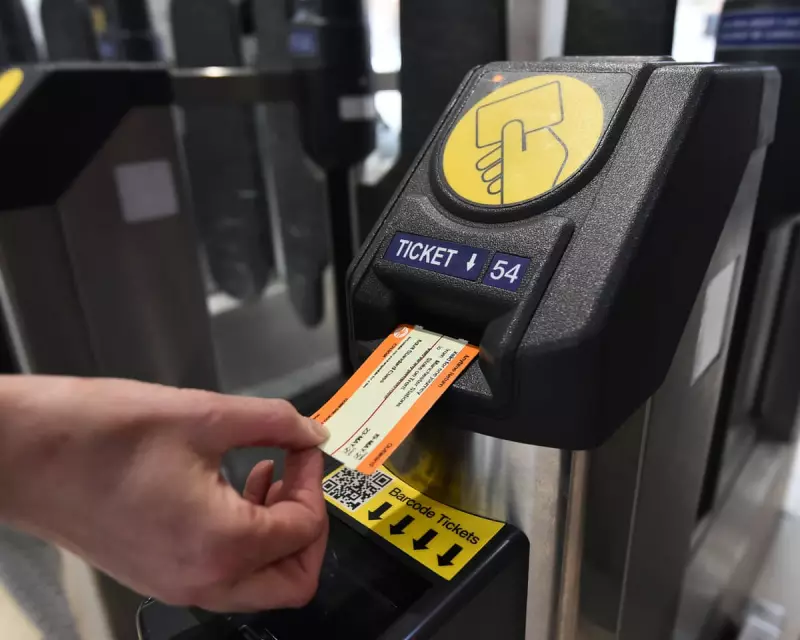
This fare freeze will apply to all regulated fares, which include season tickets, standard anytime, off-peak, and super-off-peak tickets. These ticket types account for nearly half of all rail journeys taken across England, meaning the policy will deliver tangible benefits to a substantial proportion of the travelling public.
The announcement comes after sustained pressure from passenger advocacy groups and opposition parties, who had highlighted the growing burden of transport costs on family budgets. With many households still grappling with high inflation in essential areas, the freeze provides certainty for planning travel expenses throughout the coming year.
Political Context and Industry Reaction
This intervention represents the government's latest move to directly control rail pricing, continuing a pattern established in recent years where ministers have overridden the traditional retail price index (RPI) based formula that previously governed annual fare increases.
Transport Secretary Louise Haig emphasised that the government recognises the financial pressures facing many rail users. "We cannot ask passengers to face significant fare increases during these challenging economic times," she stated, confirming the administration's commitment to keeping travel affordable.
Passenger groups have welcomed the announcement while urging longer-term solutions. Anthony Smith, chief executive of Transport Focus, commented that "while this freeze provides immediate relief, passengers will want to see sustained investment in service reliability and punctuality alongside affordable pricing."
The Rail Delivery Group, representing train operating companies, acknowledged the government's decision while highlighting the complex funding environment facing the industry. A spokesperson noted that operators would work closely with the Department for Transport to implement the freeze while maintaining service standards.
Looking Beyond the Freeze
While the 2026 freeze delivers short-term certainty, questions remain about the longer-term approach to rail fare setting. The government has not yet confirmed what mechanism will replace the RPI-linked formula that has been repeatedly suspended since the pandemic.
Industry analysts suggest that this continued intervention demonstrates the ongoing tension between funding the railway through passenger revenues and maintaining political commitments to affordable transport. The freeze will likely require additional government support to compensate train operators for foregone revenue.
The decision also raises questions about how rail funding will be balanced against other transport priorities, including major infrastructure projects and ongoing maintenance requirements across the network.
For now, millions of regular rail users can budget with confidence knowing their travel costs will not increase next year. The full impact of this policy on passenger numbers, revenue projections, and service quality will become clearer as the 2026 implementation approaches.