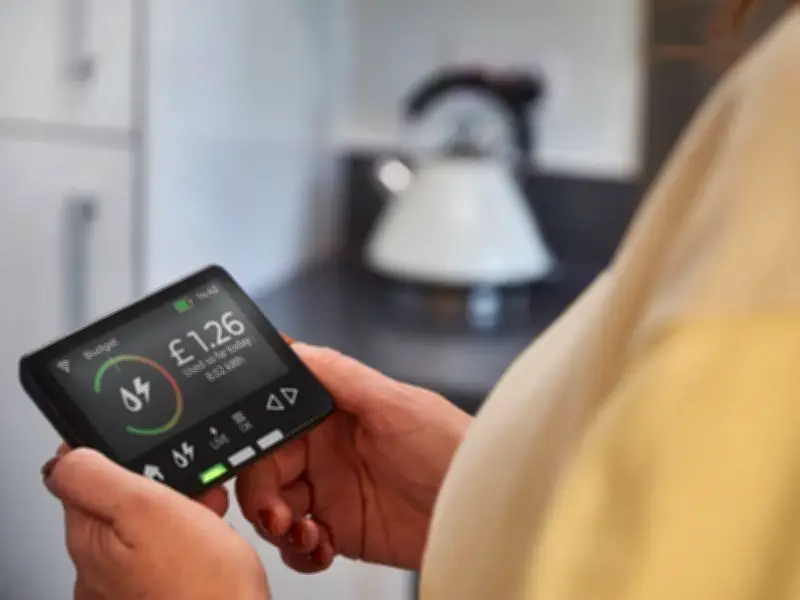
Ofgem's energy price cap will increase to £1,723 a year for a typical dual-fuel household from 1 October, a £60 or 4 per cent rise. However, experts at the Energy Saving Trust, Uswitch, and Octopus Energy have outlined 12 simple changes that could save an estimated £670 a year, according to the Express.
Fixed Deals and Boiler Tweaks Offer Biggest Savings
The single most effective way to reduce bills is switching to a fixed energy deal. With the October rise and another expected in January, locking in a tariff now can shield households from future increases. Sabrina Hoque, energy expert at Uswitch.com, said: "The good news is there's still time to shield yourself from these increases. There are currently 23 fixed energy deals on the market that beat the new October cap, with the cheapest offering a typical household around £184 in savings a year compared with standard rates."
Hoque added: "Locking in a fixed tariff means you'll already be saving against the current price cap, and you know exactly what your rates will be, shielding your bills from any future rises for the duration of the tariff. Switching your energy tariff to a fixed deal is the single biggest saving you can make."
Another easy adjustment is turning down the boiler flow temperature. An Octopus Energy spokesperson said: "For a combi boiler, trying 55-60C could save you up to £65 a year, while still keeping your home nice and toasty. It's a simple change worth trying before you turn the thermostat up."
Thermostat and Appliance Habits Add Up
Lowering the thermostat by just one degree can save more than £100 a year, according to the Energy Saving Trust. The organisation recommends setting it to the lowest comfortable temperature, usually between 18C and 21C. It states: "If you can, turning down your thermostat from 22C to 21C can save £120 a year in GB and £80 in Northern Ireland on energy bills."
Turning appliances off standby could save around £45 a year. While most devices can be switched off at the plug, some set-top boxes and recorders need to stay on to function. Skipping the tumble dryer and drying clothes outside or on an indoor rack could save roughly £50 annually, according to the Energy Saving Trust.
Improving insulation also offers significant savings. The Energy Saving Trust says swapping a thin 25mm hot water cylinder jacket for a British Standard 80mm one could save around £45 a year. Octopus Energy notes that up to 25 per cent of home heat can escape through an uninsulated roof. An Octopus spokesperson explained: "If customers have an older property, they might have around 50mm depth of insulation, and more recent properties may only have 150mm - increasing the depth to around 250mm will help stop the heat from escaping. It's essential to use an approved contractor and be mindful of ventilation - the roof will still need air flow."
Small Changes in Kitchen and Laundry
Simple habits like only boiling the water you need in the kettle could save around £10 a year. Fitting a tap aerator to the kitchen tap can save an additional £20, making a combined saving of around £30. Washing clothes at 30C and running one fewer wash cycle per week could save about £26 a year, according to the Energy Saving Trust.
Running the dishwasher only when full, cutting back by one cycle a week, could save roughly £10 a year. Swapping one bath a week for a four-minute shower could save around £10 annually due to reduced hot water use. Switching to LED light bulbs can cut lighting energy use by 80 per cent, and they last up to 20 times longer than halogens.
Draught-proofing is another effective measure. An Octopus Energy spokesperson said: "Draught-proofing is one of the easiest ways to make the most of home heating as we head into colder months. It sounds simple, but stopping heat loss through a few quick DIY tricks makes a huge difference and can be done in both rented and private properties." They suggested using thick curtains, draught excluders, and rugs, and reminded households: "Don't forget things like letter boxes or unused chimneys that leak warm air." According to the Energy Saving Trust, good draught-proofing could save as much as £85 a year.
What the October Price Cap Means
The price cap limits how much suppliers can charge per unit of gas and electricity, as well as the daily standing charge. The headline figure is based on a typical dual-fuel household paying by direct debit. In July, Ofgem updated its calculation of "typical" usage, reflecting that households now use less energy due to better efficiency, milder winters, and higher prices.
The cap does not limit total bills; households pay for every unit used. Northern Ireland has separate energy regulation arrangements. The new cap runs from 1 October to 31 December, with electricity bills rising by around 1 per cent and gas by 8 per cent. Ofgem attributes the rise to higher wholesale gas prices driven by the ongoing Middle East conflict.
To mitigate the impact, the Government will scrap VAT on electricity bills from 1 October until 31 March 2027. Without this, the cap would have been around £45 higher. VAT on gas remains at 5 per cent, so all-electric households benefit most. Prime Minister Andy Burnham said the VAT cut was intended "to give people that little bit of help". Greg Jackson, CEO of Octopus Energy, welcomed the move but said: "The Government's decision to take VAT off electricity and remove some of the levies from bills has helped soften the blow this winter, but bills are still too high. Britain remains far too exposed to volatile global gas prices. The wars in Ukraine and Iran have created an unprecedented double crisis, with gas prices more than doubling since the start of the year." He added: "We urgently need to reform the market, make better use of our wind, and let people benefit from cheaper prices when green energy is abundant."