London Should Embrace Cyclist-Friendly Traffic Light Systems, Says Lime Executive
London should look to leading European cycling capitals like Copenhagen and Amsterdam by retiming its traffic signals to better accommodate and reward safe cyclists, according to a prominent micromobility executive. Hal Stevenson, Lime's UK policy director, has called for the capital to implement innovative 'green wave' technology that could transform urban cycling experiences.
Current Transport Priorities and Cycling's Growing Role
Transport for London recently announced ambitious plans to retime all 3,500 traffic signals on bus routes across the city by 2030, prioritising bus movements to create faster, more reliable public transport. While Stevenson welcomes this development as a positive step toward reducing car dependency, he argues that cycling deserves similar consideration given its expanding role in London's transport ecosystem.
Cycling now represents up to twenty percent of all trips in central London, with bicycle traffic during peak periods frequently exceeding car volumes. Despite this significant modal shift, traffic signal timings remain predominantly calibrated around motor vehicle speeds, resulting in frequent stops and less efficient journeys for cyclists.
The 'Green Wave' Solution from European Pioneers
Stevenson points to proven solutions from continental Europe where cities like Copenhagen and Amsterdam have successfully implemented 'green wave' technology. This innovative approach rewards cyclists travelling at safe, consistent speeds with sequences of green lights, creating smoother journeys while improving safety and rider behaviour.
The technology offers multiple benefits at relatively low cost, including reduced journey times and potentially addressing red-light running behaviour. Research suggests cyclists sometimes run red lights when attempting to escape unsafe situations, particularly at junctions where they feel exposed to motor traffic.
Complementing Existing Transport Infrastructure
The proposal doesn't suggest compromising bus priority systems but rather complementing them through strategic implementation. Stevenson recommends trialling cyclist-friendly signal timings in areas with high cycle usage and lower car traffic, particularly away from core bus routes.
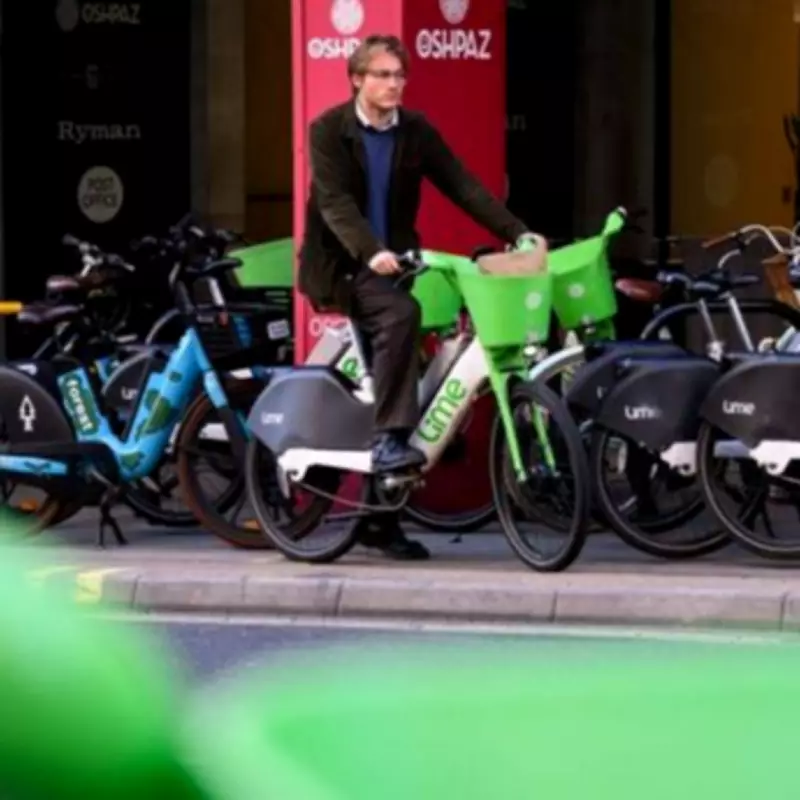
This approach recognises how cycling already extends public transport reach, with significant numbers of Lime riders using bicycles to connect with buses and Underground services. Integrating cycling considerations into traffic management could help London's entire transport ecosystem function more effectively for all users.
London's Cycling Infrastructure Progress
The call for traffic light reform comes against a backdrop of substantial cycling infrastructure development in London. Transport for London has expanded the capital's cycling network from approximately 90 kilometres in 2016 to over 430 kilometres last year, demonstrating significant commitment to active travel.
Rethinking traffic signal timing represents what Stevenson describes as a natural next step in building upon this success, potentially making cycling more attractive and efficient for London's growing cycling community.
Community Initiatives and Educational Programmes
Beyond infrastructure improvements, Stevenson highlights community-focused initiatives like Lime's Share the Joy cycling fund, established in partnership with London Cycling Campaign and LOUD mobility. The programme has already awarded £212,000 to more than eighty community groups and organisations across the capital.
A notable example includes support for Risley Avenue Primary School in Tottenham, Haringey, one of London's few schools integrating cycling into its curriculum. Funding enabled the school to upgrade its training bike fleet and will help train hundreds more students, demonstrating how targeted support can nurture cycling culture from an early age.
Future Directions and Recruitment Considerations
Looking forward, Stevenson notes that the next funding window for community cycling projects opens in Spring, offering further opportunities to support grassroots initiatives. Separately, he reflects on recruitment practices, observing that approximately thirty percent of applicants for a recent position used similar AI-generated opening lines about working at the intersection of public policy, commercial delivery, and social impact.
While welcoming thoughtful collaboration with artificial intelligence tools, Stevenson emphasises the importance of authenticity and honesty in application processes, suggesting that such generic responses often fail to demonstrate genuine understanding or personal motivation.