Gorleston's £500,000 Cycle Lane Project Faces Backlash Over Safety and Economic Impact
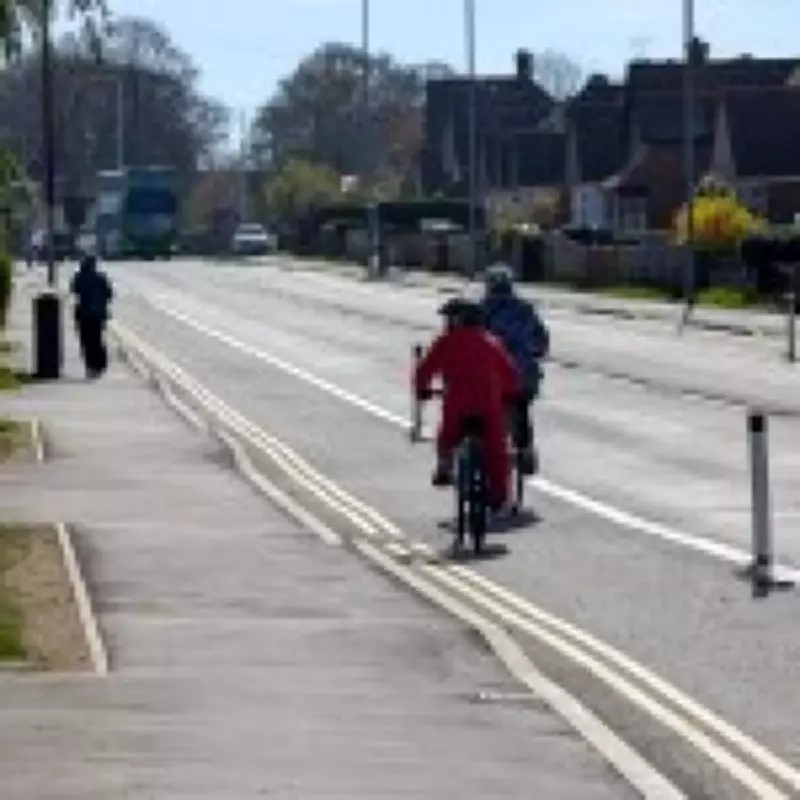
A new £500,000 cycle lane in the seaside town of Gorleston, Norfolk, has ignited controversy, with residents and business owners claiming it has made the area more dangerous and harmed local trade. The project, funded by the government's Active Travel Fund and implemented by Norfolk County Council, spans less than a mile on Middleton Road but has been labeled a "colossal waste of money" by critics.
Safety Hazards and Narrowed Roads
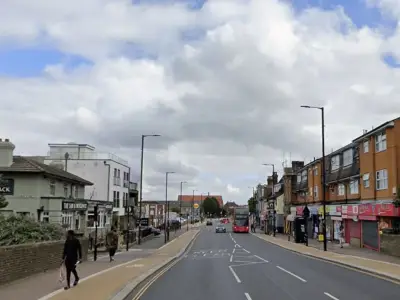
Locals report that the installation of cycle lanes on both sides of Middleton Road has significantly narrowed the driving lanes, creating hazardous conditions for motorists and cyclists alike. Residents like Les West, 83, describe the road as now "dangerous," while Sue Bowman, 53, who works at a local florist, notes that the narrow lanes make driving uncomfortable and unsafe. Cyclists, including Julie Hall, 64, say they are forced onto pavements to avoid obstacles like parked cars and delivery vehicles blocking the cycle lanes, undermining the intended safety benefits.
Economic Fallout for Retailers
The loss of parking spaces due to the cycle lanes has dealt a blow to local businesses. Retailers on Middleton Road, such as the Rose Garden florist, report a decline in trade as customers struggle to find parking. Liz Spires, 66, visiting the florist, expressed frustration, calling the project "bloody stupid" and highlighting the inconvenience for those arranging services like funeral flowers. The reduced parking availability has compounded safety issues, with delivery drivers and others frequently parking in the cycle lanes, further disrupting traffic flow.
Council's Defense and Project Details
Norfolk County Council has defended the project, stating in a response to Metro that such road improvements require time for adaptation. The council emphasized that the upgrades aim to provide safer cycle access between South and North Gorleston, serving local colleges and amenities, and have improved pedestrian crossings. The scheme includes new zebra crossings and reflective wands to separate cycle lanes from the road, but critics like Anthony Hollis, 64, argue that widening pavements would have been a more effective and less costly solution.
Broader Implications and Community Response
The controversy in Gorleston reflects wider debates over active travel initiatives and urban planning. While the project was intended to encourage cycling and enhance safety, the implementation has sparked concerns about practicality and community impact. Locals continue to voice their dissatisfaction, with many calling for reassessment of the design to address the narrowed roads and parking shortages. As the situation develops, it underscores the challenges councils face in balancing infrastructure improvements with public safety and economic vitality.