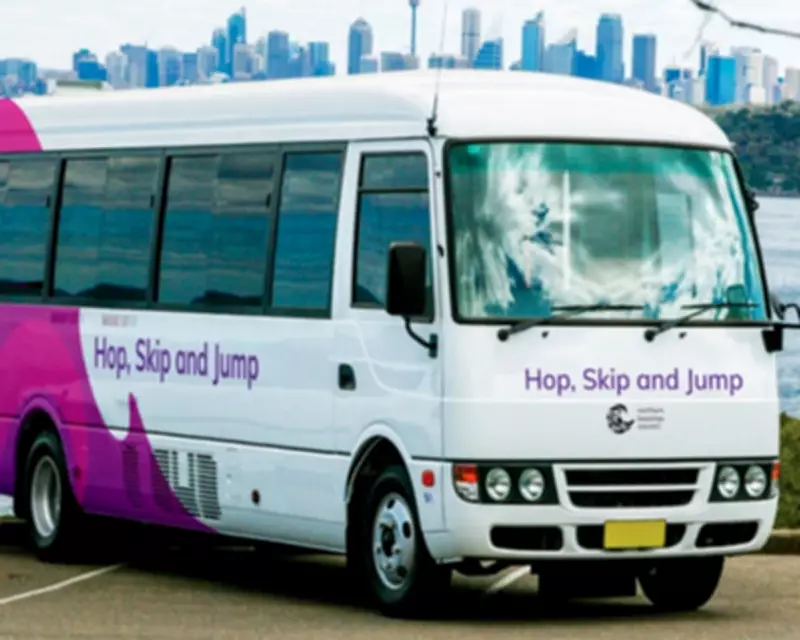
Sydney Shuttle Bus Service Implements Strict Swimwear Ban
A shuttle bus service operating in Sydney, Australia, has recently introduced a controversial new policy that prohibits passengers from wearing swimwear while using its vehicles. The decision, announced earlier this week, has quickly become a focal point for public discussion, with reactions ranging from support to outright criticism.
Rationale Behind the Ban: Hygiene and Safety Concerns
According to the shuttle bus company, the primary motivation for the swimwear ban is to address hygiene and safety issues. Officials have stated that wet swimwear can create slippery conditions on bus floors, increasing the risk of accidents and falls for passengers. Additionally, they cite concerns about water damage to seats and interiors, which could lead to costly maintenance and repair expenses over time.
The company has emphasized that this policy is not intended to target beachgoers or tourists specifically but is rather a proactive measure to ensure a clean and safe environment for all riders. They have pointed out that similar rules are in place in other public transport systems globally, where attire regulations help maintain operational standards.
Public Reaction: A Divided Response
The announcement of the swimwear ban has sparked a lively debate among Sydney residents and visitors. Supporters of the policy argue that it is a reasonable step to protect public health and infrastructure. Many have shared anecdotes of unpleasant experiences on buses where wet swimwear led to discomfort or messes, supporting the company's stance on practicality.
On the other hand, critics have voiced strong opposition, labeling the ban as overly restrictive and out of touch with Sydney's coastal lifestyle. Some have raised concerns about discrimination, suggesting that the policy could disproportionately affect low-income individuals or tourists who rely on public transport to access beaches. Others have questioned the enforcement of such a rule, wondering how bus drivers will manage compliance without causing conflicts.
Broader Implications for Public Transport in Coastal Cities
This incident highlights a broader challenge faced by public transport operators in coastal cities like Sydney, where beach culture is integral to daily life. Balancing the needs of a diverse ridership with operational efficiency requires careful consideration of policies that affect passenger behavior.
Experts in urban planning and transportation have noted that while hygiene and safety are valid concerns, alternative solutions might be more effective. Suggestions include installing waterproof seating, providing towel-off stations at bus stops, or offering designated swimwear-friendly routes during peak beach seasons. These approaches could mitigate risks without imposing strict bans that may alienate users.
As the debate continues, the shuttle bus company has indicated a willingness to review the policy based on public feedback and operational outcomes. They have encouraged passengers to share their thoughts through official channels, signaling a potential for adjustments if the ban proves too contentious or impractical in the long run.
Looking Ahead: Potential Adjustments and Community Impact
The implementation of this swimwear ban is still in its early stages, and its full impact on ridership and community relations remains to be seen. If the policy leads to a significant drop in passenger numbers or increased complaints, the company may need to reconsider its approach to avoid negative financial and social consequences.
In the meantime, this situation serves as a reminder of the complex interplay between public services and cultural norms in urban environments. As cities like Sydney evolve, finding innovative ways to accommodate diverse lifestyles while maintaining public infrastructure will be crucial for fostering inclusive and functional communities.