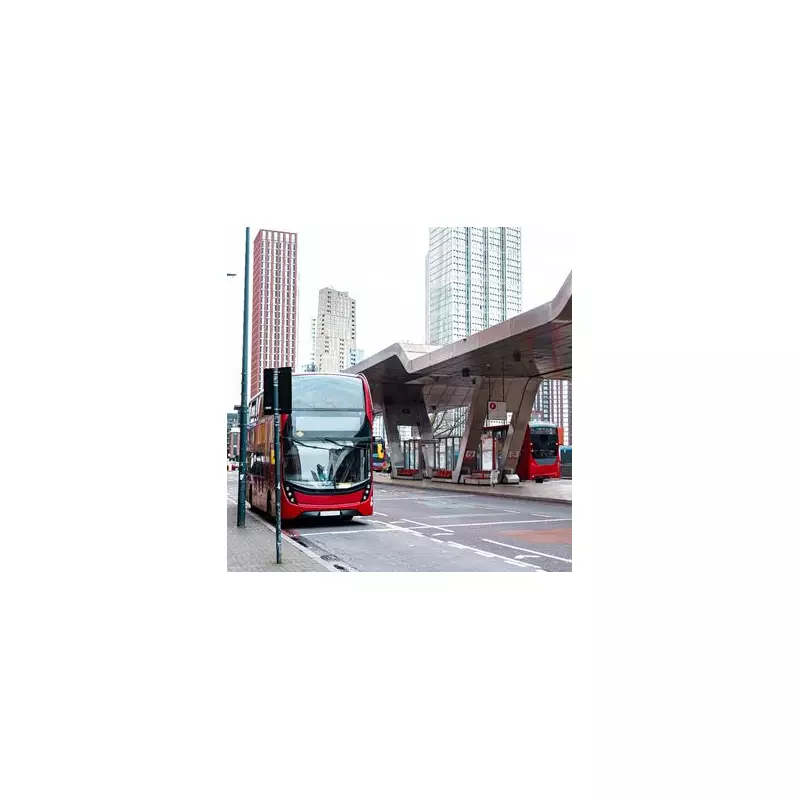
New official statistics have revealed that the vast majority of London's local buses are running to schedule, offering some reassurance to the capital's daily commuters. The data shows a stable picture of reliability, though campaigners argue there is significant room for improvement to make buses a truly attractive alternative to private cars.
What the latest bus punctuality figures show
According to the Department for Transport, 79 per cent of non-frequent local buses in London arrived on time in the twelve months leading up to March 2025. This performance is broadly consistent with the previous year's figures. The definition of 'on time' for this measurement is a bus arriving between one minute early and five minutes and fifty-nine seconds late.
When looking at England as a whole, punctuality was slightly higher at 80 per cent. This marks a small improvement from the 79 per cent recorded in the year ending March 2024. However, reliability has not yet returned to pre-pandemic levels, which stood at 84 per cent in 2020.
Despite reasonable punctuality, the total number of bus journeys in London has seen a decline. There were 1,821.5 million passenger journeys in the latest year, down from approximately 1,848.5 million the year before. This figure is also substantially lower than the 2,363.6 million journeys taken a decade ago, highlighting a longer-term trend.
Calls for ambition and investment in essential services
Ben Plowden, chief executive of the Campaign for Better Transport, welcomed the stability in passenger numbers and service miles. He emphasised that buses remain the most-used form of public transport and are an essential public service, delivering strong returns for the economy, society, and the environment.
"But there is potential for buses to play a much bigger role," Plowden stated. He pointed to an ageing population, fewer young people learning to drive, and many households without a car as key reasons to expand bus provision. "Non-drivers long to be more mobile and drivers want alternatives to always using their cars. And we urgently need to reduce traffic and carbon emissions."
He argued that the recent passing of the Government's Bus Services Act presents a crucial opportunity for local councils and mayors. The Act is designed to protect existing services and allows local authorities to establish their own municipal bus companies.
The impact of fares and future improvements
A significant recent policy is the national cap on single bus fares, which is currently set at £3 and will remain in place until at least March 2027. The government states this measure will improve reliability, frequency, and access. Plowden noted the previous £2 cap was a "real success story" and that affordability remains vital, though it is too early to gauge the full effect of the increase to £3.
Plowden's vision for improvement includes:
- Directing funding to fill gaps in bus provision where it is most needed.
- Setting higher standards for bus stops, including more shelters, seating, and real-time information.
- Maintaining affordable fare levels to encourage usage.
Additional data shows that 12 per cent of bus journeys in London were concessionary trips for young, elderly, or disabled people, a slight decrease from 13 per cent in 2015.
A spokesperson for the Department for Transport said: "Better buses are on their way which is why we're investing over £1 billion to make real improvements to services, extend the £3 bus fare cap and improve reliability. Our Bus Services Act will revolutionise bus travel, handing back control of services to local authorities so they can design a network that works for passengers rather than profit."