London Bus Driver Fatigue Reaches Critical Levels, Prompting Safety Alerts
A severe fatigue crisis among London bus drivers is raising urgent safety alarms, with workers reporting dangerous levels of exhaustion that leave them feeling like they are "driving on autopilot" and risking serious errors. According to a comprehensive survey conducted by Unite the Union, the situation has escalated to a point where both drivers and the public face significant hazards on the roads.
Survey Reveals Alarming Statistics on Driver Fatigue
The union's survey, which garnered over 2,000 responses from bus drivers across the capital, uncovered disturbing patterns. More than a third of drivers admitted to experiencing sleepiness while driving at least twice a week, while almost half (48 percent) reported having a "close call" due to fatigue in the past year alone. These findings highlight a pervasive issue that extends beyond individual incidents to a systemic problem within London's transport network.
Personal Accounts Paint a Grim Picture of Exhaustion
Drivers shared harrowing experiences of working under extreme fatigue. One driver with four years of service described "heavy eyelids and loss of concentration" leading to missed stops, wrong turns, and even running red lights. Another recounted working consecutive days with minimal rest, feeling as though they were in a dream-like state while operating a vehicle. "Fatigue like this can easily lead to serious or even fatal mistakes," the driver emphasized, underscoring the grave risks involved.
Union Demands Action as Strikes Loom
In response to the crisis, Unite has launched its "Fight Fatigue Now" campaign, calling on Transport for London (TfL) and bus operators to implement fatigue management protocols, improve scheduling consistency, and enhance rest facilities. The union's general secretary, Sharon Graham, condemned the current conditions, stating that "poor scheduling, not enough time between shifts, and forced overtime" are endangering lives. She warned that TfL and operators are not treating the issue with the urgency it requires.
Upcoming Strikes to Disrupt Seven Bus Routes
The fatigue dispute has escalated into industrial action, with more than 300 bus drivers at the Bow garage, operated by Stagecoach's East London Bus & Coach Company, set to strike on Friday, April 24. Drivers cite inadequate breaks, excessive weekend working, and insufficient recovery time between shifts as key grievances. The strike will impact seven bus routes:
- 8
- 25
- 205
- 425
- N8
- N25
- N205
While routes 25 and 425 are expected to maintain near-normal service, the others face severe delays and cancellations, potentially disrupting thousands of commuters.
Employer Response and Ongoing Negotiations
Stagecoach has defended its practices, asserting that schedules and rotas are "compiled strictly within the law" and remain within agreed limits, despite recent route changes. A spokesperson noted that the company has engaged in detailed discussions with Unite for months and remains open to dialogue. They added that drivers are encouraged to report fatigue without financial penalty, though union officials argue this does not address the root causes of the crisis.
Broader Implications for Public Safety
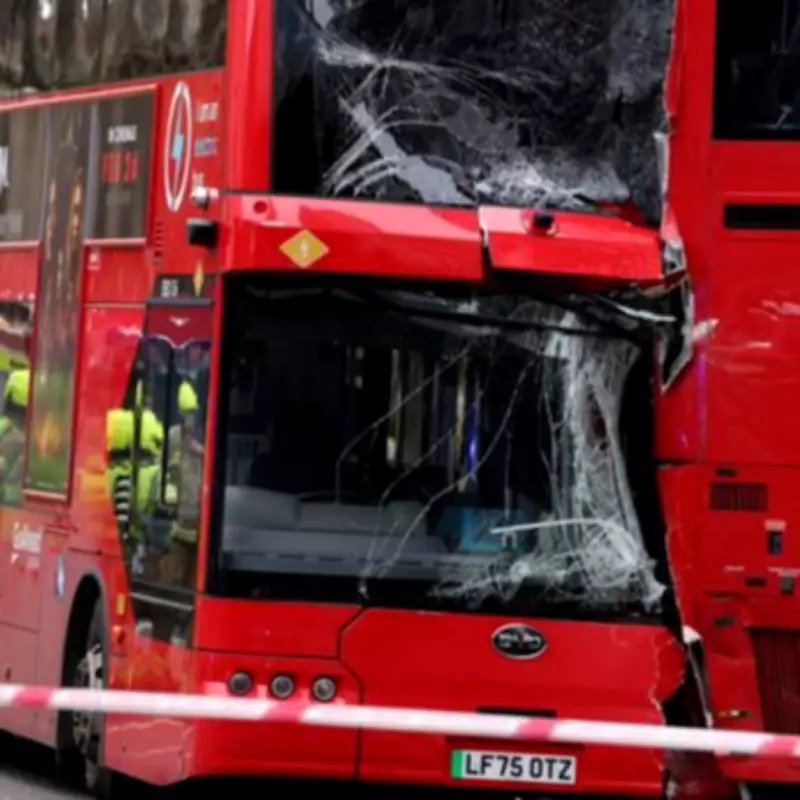
The fatigue issue is not isolated; it coincides with several bus crashes in London over recent months, raising concerns about the broader impact on road safety. Unite regional officer Nadine Edwards stressed that "actual change will only come about from listening to bus drivers" and urged TfL and bus companies to collaborate on solutions. With 83 percent of drivers fearing disciplinary action or loss of earnings if they report fatigue, the culture of silence exacerbates the problem, leaving both workers and passengers vulnerable.
As strikes approach, the spotlight intensifies on London's transport authorities to address this fatigue crisis comprehensively, ensuring that safety is prioritized over operational demands in one of the world's busiest cities.