The Australian intercity transport market has received a seismic shock with the arrival of European budget travel behemoth FlixBus. Launching with headline-grabbing fares as low as £8 for journeys connecting Sydney, Canberra, and Melbourne, the company promises to reshape how Australians travel between major cities.
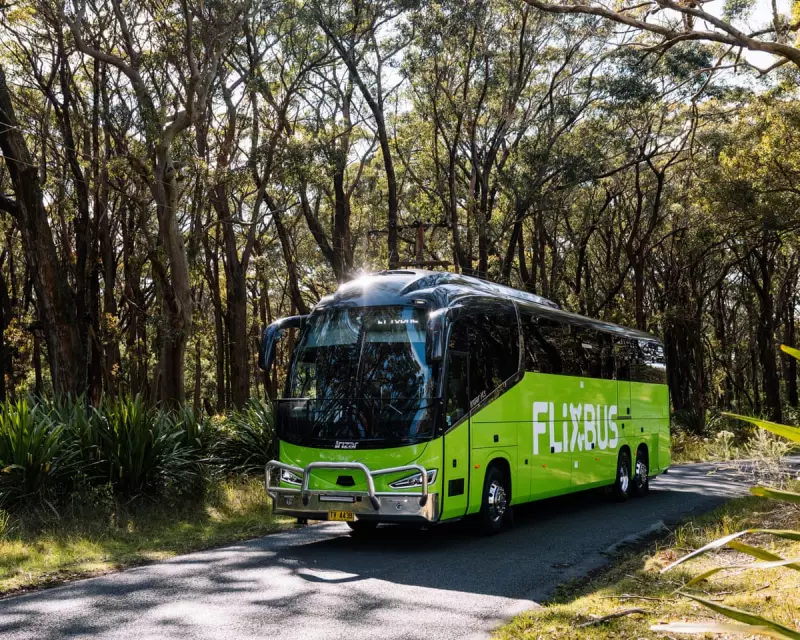
FlixBus enters the market with its trademark rapid online booking system and an ambitious pledge to get Australians out of their cars and off planes. While the full fleet of distinctive lime-green coaches is yet to be deployed – with most initial services operating in standard white charter coaches adorned with Flix stickers – the company has already sent ripples through the industry, forcing competitors to slash their prices dramatically.
Teething Problems and Passenger Experience
The initial launch has not been without its hiccups. On an early Sydney to Canberra service, passengers found themselves on a coach with limited wifi, no USB charging ports, and non-functional amenities, including a tap in the toilet that merely gurgled. The journey also ran over an hour behind its scheduled three hours and 30 minutes.
Drivers have faced a steep learning curve, with some cancelling shifts unexpectedly, leaving replacements to navigate unfamiliar routes. "We're still nutting things out," one driver candidly informed passengers, encouraging them to provide directional guidance if needed.
Despite these early shortcomings, passengers on the half-empty inaugural services remained in good spirits, appreciating the significant legroom and the undeniable value. For just £10, they were aboard what is currently Australia's most affordable mode of intercity transport.
A Strategic Push to 'Make the Coach Cool Again'
Yvan Lefranc-Morin, head of Flix's Australian operations, outlined the company's core strategy. "The idea is not to run empty coaches; it would not make sense economically," he stated. By maximising seat sales on every journey, a lesson honed in the European market, Flix aims to make these rock-bottom prices viable long-term.
While only a handful of the £8 seats are available on each service, standard dynamic pricing lifts fares to around £32 on the Canberra route and £48 to Melbourne – still significantly cheaper than most alternatives, including petrol for the same journey.
The company's arrival has significantly increased service frequency. The Melbourne-Sydney corridor, which previously saw just two coaches and two trains daily in each direction, has gained two additional coach services. Flix has also nearly doubled the capacity between Canberra and Sydney, adding a dozen trips, including overnight services.
Market Impact and Environmental Credentials
The existing coach market has felt the impact immediately. Competitors like Firefly and Murrays Coaches have slashed their prices in response, with Firefly advertising £5 fares and Murrays matching Flix's promotions. A Firefly spokesperson denied this was a direct reaction, stating they "welcomed the competition" but did not compromise on service standards.
Dr Geoffrey Clifton, a senior transport and logistics management expert at the University of Sydney, believes Flix's entry could revitalise the entire coach sector. "[Flix] can grow the public transport market, and that will be great, getting the other competing operators to improve their services and lower their fares," he said, warning that the only negative outcome would be mere cannibalisation of the existing customer base.
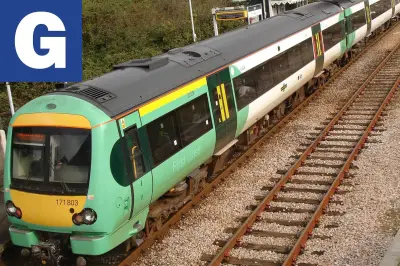
FlixBus also arrives with a compelling environmental proposition. According to Grattan Institute analysis, coaches emit less than 20kg of CO2 per person – a mere tenth of the emissions from planes. They are even competitive with the diesel-electric trains used on Australian intercity routes, presenting a greener choice for the increasingly climate-conscious traveller.
The Road Ahead for FlixBus in Australia
The company's launch coincides with a favourable market shift, as airfares continue to climb. Sydney-Melbourne return flights averaged nearly £160 in October, while tickets from Canberra soared to nearly £320 return to Melbourne and £400 to Sydney.
Phil Potterton, director of Economic Connections, notes that Flix's prices – cheaper than a tank of petrol – make switching from cars a real possibility on corridors like Canberra-Sydney, where automobiles currently dominate, accounting for five in every six trips.
FlixBus has announced plans to expand to more Australian cities in the coming months. Dr Clifton predicts Sydney-Brisbane (via Byron Bay and the Gold Coast) and Melbourne-Adelaide connections will be the next logical steps. Lefranc-Morin confirmed this ambition, stating, "Our aim is to expand our network everywhere in Australia where it makes sense."
But first, the company must overcome its initial operational challenges. If it can successfully roll out its promised new fleet with wifi, USB ports, and reliable schedules, FlixBus may well achieve its mission of making coach travel cool again and capturing a significant share of Australia's intercity transport market.