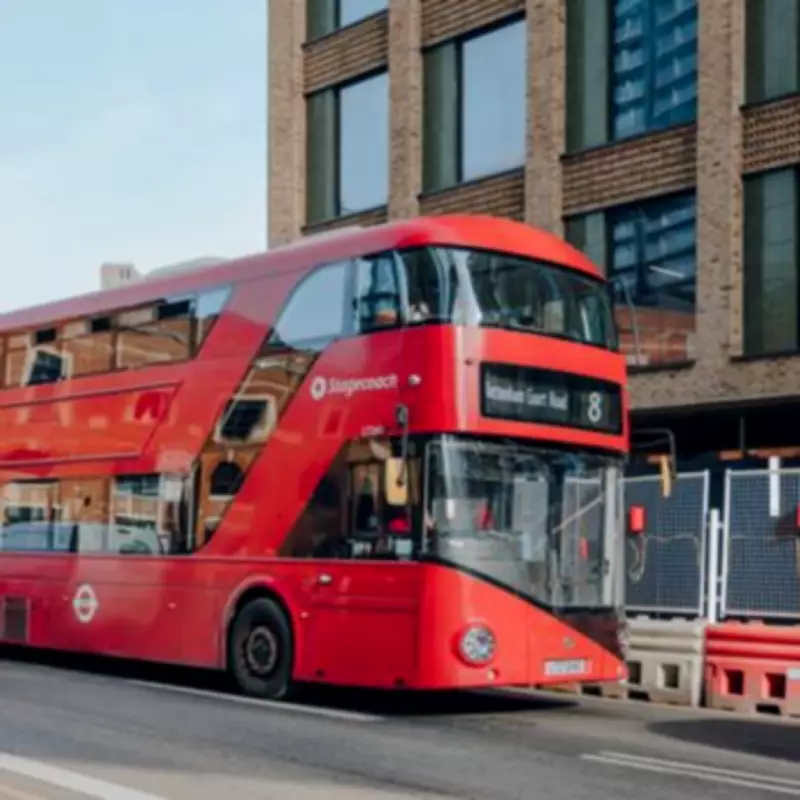
East London Bus Strike Threat: 7 TfL Routes Face February Disruption
More than 300 bus drivers in East London are poised to take industrial action this February, with seven key Transport for London (TfL) routes facing potential disruption due to a dispute over poor working conditions. The Unite union members, based at Bow garage, are balloting for strike action over issues including inadequate breaks and exhausting shift patterns that they argue compromise both driver welfare and passenger safety.
Driver Fatigue and Working Conditions at the Heart of the Dispute
The core grievances centre on demanding work schedules that require drivers to start new shifts just ten hours after finishing previous ones, a practice that Unite general secretary Sharon Graham has labelled a "major issue" for member safety. Additionally, drivers are protesting against extra duties such as refueling buses at remote electric charge points, which they say exacerbates fatigue levels. This industrial action follows closely on the heels of a separate dispute involving 350 drivers at nearby Lea Interchange, Leyton, who have announced four February strike dates over allegations of union busting and bullying by Stagecoach management—claims that the company strongly denies.
Key Routes and Areas Facing Severe Disruption
The bus routes identified as most at risk from the impending strikes include several vital daytime and night services that serve communities across East London. The affected routes are:
- Route 8
- Route 25
- Route 205
- Route 45
- Night services N8, N25, and N205
Passengers in Leyton, Leytonstone, and Walthamstow are expected to experience the most severe disruption, with strike action currently scheduled for two separate weekends in February: Friday, February 6 to Saturday, February 7, and again from Friday, February 20 to Saturday, February 21. The strike ballot is set to close on February 11, which will determine the final course of action.
Broader Context of Transport Industrial Action in London
This latest dispute highlights ongoing tensions within London's public transport sector, particularly concerning working conditions for bus operators. The potential strike action underscores the challenges faced by drivers in maintaining rigorous schedules while ensuring safety standards are met. With passenger numbers steadily recovering post-pandemic, any disruption to these key routes could significantly impact commuters and local residents who rely on these services for daily travel. The outcome of the ballot and subsequent negotiations will be closely watched by both transport authorities and the travelling public as February progresses.