Heathrow's £900m Business Rates Discount Fuels Hospitality Sector Discontent
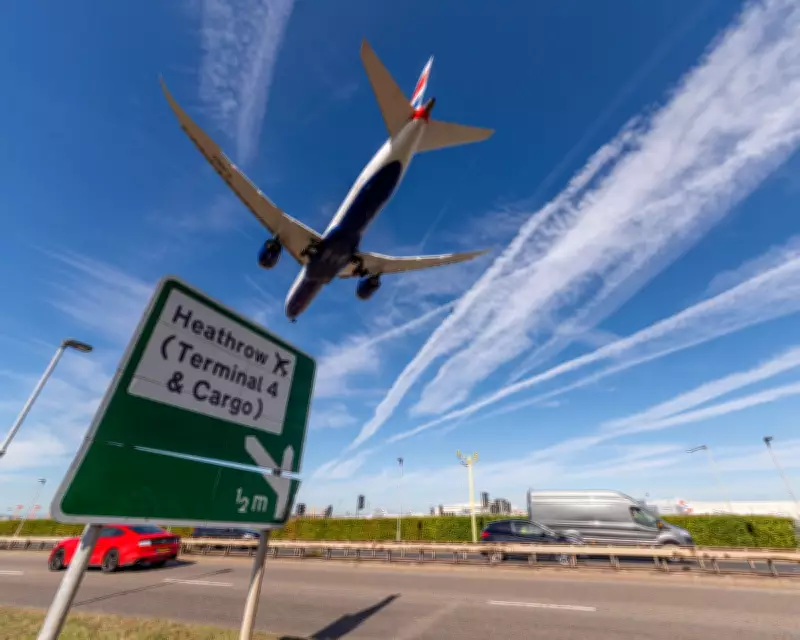
Heathrow Airport has emerged as one of the primary beneficiaries of the government's £4.3 billion business rates support package, securing a substantial discount of nearly £900 million over the next three years. This revelation has ignited significant controversy within the UK's hospitality industry, where hotels, restaurants, and nightclubs are urgently calling for enhanced financial assistance.
Substantial Relief for Aviation Giant
The UK's largest airport will see its business rates bill rise by £50 million to £171 million this year, according to analysis by property firm Avison Young. Without government intervention, Heathrow's rates would have skyrocketed to £512 million in the upcoming fiscal year, followed by £514 million and £523 million in subsequent years, culminating in a three-year total of £1.5 billion. The transitional relief package reduces this aggregate to £650 million, representing a significant financial reprieve for the airport, which is owned by various overseas sovereign wealth and pension funds.
Hospitality Sector Left Wanting
While Heathrow receives substantial support in absolute terms, the hospitality industry finds itself in a precarious position. Hotels, restaurants, nightclubs, and cafes received no additional assistance beyond the standard transitional relief, which caps business rate increases at 15% for most companies this year. This comes as pandemic-era relief measures conclude and property revaluations take effect, with the relief gradually diminishing over the following two years.
The Night Time Industries Association (NTIA) has voiced strong objections, accusing the government of "explicitly excluding" nightclubs, grassroots electronic music venues, and recorded music venues from the additional business rates help extended to pubs and live music venues last month. Michael Kill, chief executive of the NTIA, warned that the current situation could accelerate venue closures across the country.
Mounting Pressure on Night-Time Economy
The NTIA reports that the UK has lost over a third of its nightclubs since 2017, yet the remaining venues face higher business rates than ever before. With fewer establishments to share the financial burden and no access to targeted relief, the industry contends it is being pushed toward further decline. The sector already grapples with multiple cost pressures, including increases in the minimum wage, rising energy expenses, and higher alcohol duty, which are likely to translate into increased drink prices for consumers.
Kate Nicholls, chair of UKHospitality, described the current business rates system as "crazy, distorting and broken," emphasising that successive governments have promised comprehensive reform without delivering meaningful change. The hospitality industry argues that the disproportionate support for large infrastructure projects like Heathrow highlights systemic flaws in the business rates framework.
Aviation Sector Perspective
Despite receiving a substantial share of transitional relief, the aviation sector maintains that significant challenges remain. Karen Dee, chief executive of AirportsUK, cautioned that business rates increases of over 100% could lead to higher prices for passengers and potentially jeopardise billions of pounds in transformational investments across UK airports. The sector warns that thousands of jobs could be at risk in the longer term if the financial burden becomes unsustainable.
The contrasting fortunes of Heathrow Airport and the struggling hospitality sector have brought the UK's business rates system under intense scrutiny, with calls for fundamental reform growing louder as businesses navigate post-pandemic recovery amid rising operational costs.