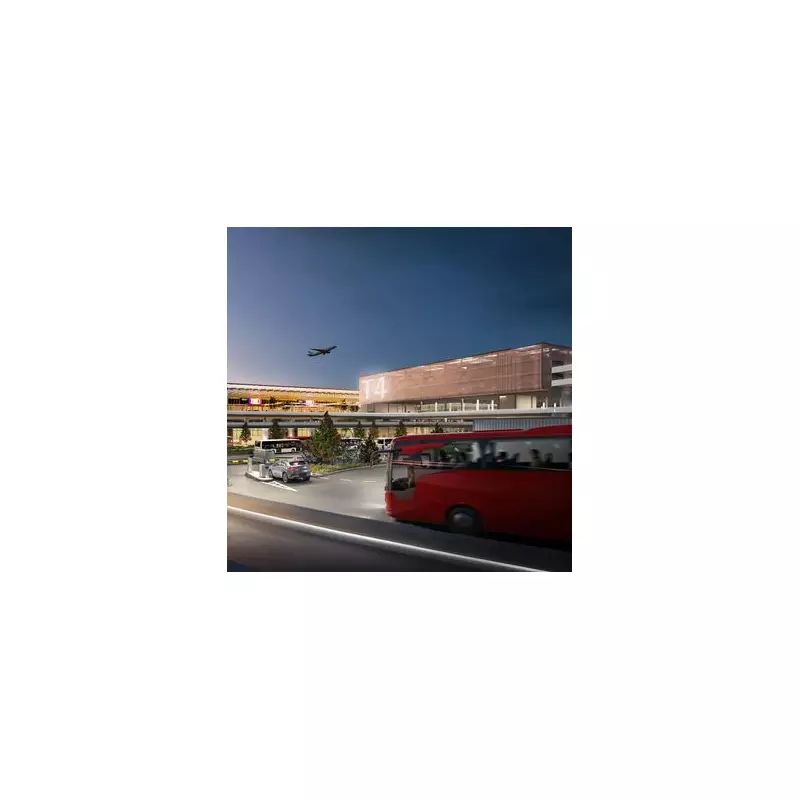
Heathrow Airport has unveiled a colossal £1.3 billion investment programme designed to fundamentally reshape the passenger experience, with major construction set to begin in 2026.
A Phased Overhaul for Europe's Busiest Hub
The extensive modernisation project will be rolled out in stages to minimise disruption, with the full suite of upgrades scheduled for completion by 2031. The plan forms a core part of Heathrow's latest five-year capital investment strategy, known as H7.
Key infrastructure projects include a brand-new multi-storey car park at Terminal 4 and a comprehensive revamp of the terminal's check-in facilities. Furthermore, Terminal 2 is in line for a significant boost with the installation of a state-of-the-art baggage system, engineered to handle an impressive 31,000 bags daily.
AI and Efficiency: Speeding Up the Journey
Beyond passenger-facing improvements, the investment targets operational resilience. A network of cameras will be installed across aircraft stands, with the data analysed by AI technology to optimise turnaround times between flights. This initiative is expected to commence by the end of 2026.
The advanced baggage infrastructure at T2 is also predicted to drastically reduce the number of misconnected bags, easing the logistical burden on airlines and improving reliability for travellers.
Building on a Record of Performance
Heathrow's CEO, Thomas Woldbye, positioned the new investment as building on recent operational successes. He cited that the airport is currently Europe's most punctual major hub, with nearly 99% of bags making it onto the correct flight and 97% of security queues lasting under five minutes.
"Passengers should expect that every time they travel through Heathrow their journey is better than the last," stated Woldbye. "I’m excited to unveil next year’s programme which will make Heathrow more user-friendly, more efficient and more resilient for our customers."
He also confirmed that from January, all four terminals will benefit from next-generation security scanners, allowing more passengers to pass through without removing liquids and laptops from their bags.
The CEO emphasised that the £1.3bn injection will also stimulate the wider economy, flowing directly into the national supply chain and supporting growth while enhancing the airport's efficiency.