Passengers departing from Heathrow Airport can now bid farewell to the era of miniature toiletries and cumbersome security procedures. The UK's busiest airport has officially abolished the long-standing 100ml limit on liquids in cabin bags, marking a significant shift in aviation security protocols.
A Technological Leap Forward
This transformative change comes as part of a comprehensive £1 billion technological upgrade, which includes the installation of state-of-the-art computed tomography (CT) scanners. These advanced devices generate detailed three-dimensional images of the contents within passengers' luggage, enabling security staff to conduct thorough inspections without the need for physical removal of items.
Streamlining the Passenger Experience
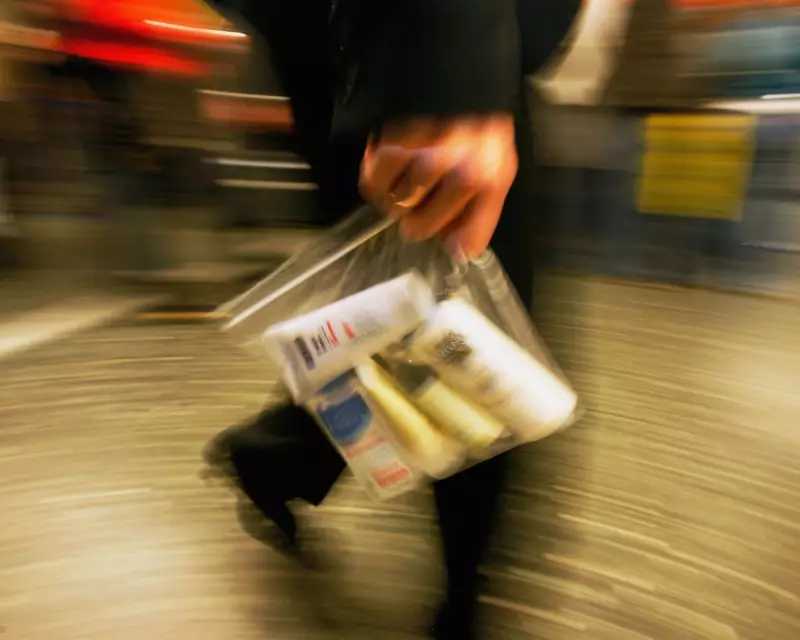
The new system eliminates several time-consuming steps that have become synonymous with airport security checks. Travellers are no longer required to extract liquids, gels, or pastes from their hand luggage, nor must they separate larger electronic devices such as laptops and tablets for individual screening. Additionally, the mandatory use of clear plastic bags for carrying these items has been rendered obsolete.
Heathrow's Chief Executive, Thomas Woldbye, emphasised the benefits of this upgrade, stating: "Every Heathrow passenger can now leave their liquids and laptops in their bags at security as we become the largest airport in the world to roll out the latest security scanning technology. That means less time preparing for security and more time enjoying their journey."
Historical Context and Environmental Impact
The 100ml restriction was initially implemented in 2006 following a thwarted transatlantic bomb plot, fundamentally altering how passengers packed for flights. For nearly two decades, this rule has dictated travel habits, often leading to confusion and delays at security checkpoints. Heathrow estimates that the new scanners will save approximately 16 million plastic bags annually, contributing to a reduction in single-use plastic waste.
Important Caveats for Travellers
It is crucial to note that this relaxation of rules applies exclusively to outbound flights from Heathrow. Passengers carrying larger containers on their departure may face restrictions when returning through security at other airports, both domestically and internationally. Travel experts strongly advise individuals to verify the specific regulations of their destination and return airports before packing.
The aviation industry has faced considerable challenges in implementing these changes across the board. The original deadline for major UK airports to adopt the new scanning technology was December 2022, but this was extended to June 2024 due to pandemic-related disruptions. Even this revised deadline was not universally met, leading to a period of regulatory inconsistency.
A Patchwork of Regulations Across the UK
Following the missed deadline, the government instructed airports that had prematurely lifted the 100ml limit to reinstate it, creating a confusing landscape for travellers. Some airports, including London City, Luton, and Teesside, have installed the new scanners but continue to enforce the 100ml limit pending full regulatory approval of their systems.
Other UK airports such as Birmingham, Bristol, Gatwick, and Edinburgh have already integrated similar technology, though policies may vary. The European Union has also experienced delays in uniformly adopting these changes, further complicating international travel protocols.
This milestone at Heathrow represents a significant step towards modernising airport security, enhancing passenger convenience, and reducing environmental impact. However, travellers are reminded to remain vigilant and informed about the specific requirements of each airport they pass through to ensure a smooth and hassle-free journey.