Heathrow's Hidden Crowding Problem: Walking Habits Cause Terminal Collisions
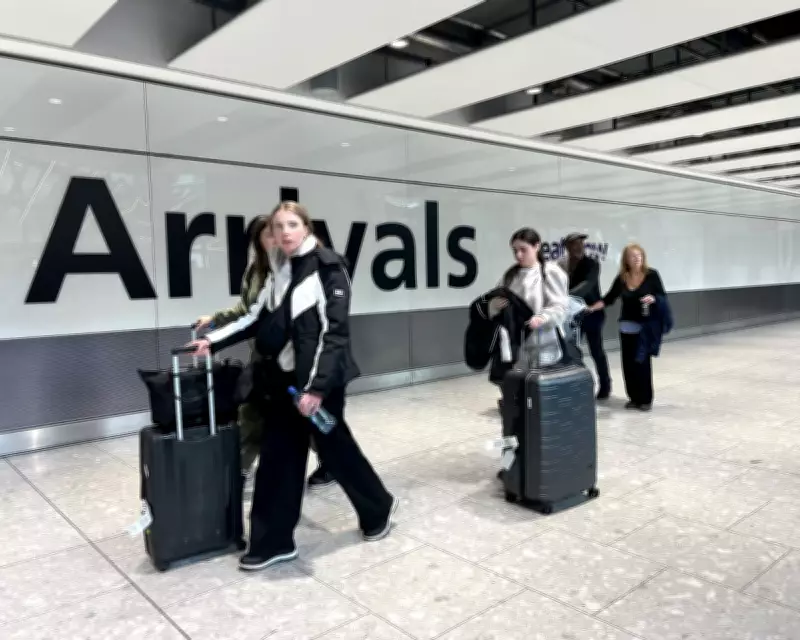
Heathrow Airport has uncovered a unique crowding issue that cannot be resolved by simply adding a third runway. According to Chief Executive Thomas Woldbye, the fundamental problem stems from British passengers instinctively walking on the left side while European travelers naturally keep to the right, resulting in frequent collisions throughout the terminals.
Directional Differences Create Terminal Chaos
Speaking at an Aviation Club UK industry event, Woldbye explained that Heathrow services more passengers within a smaller overall area compared to other European hubs. However, the Danish executive revealed that part of the airport's trouble originates from these contrasting continental walking habits.
"The problem is that all the British people keep to the left and normally Europeans keep to the right. And they do that in both directions," Woldbye stated. "So we can be crashing into each other, and I see that from personal experience."
Woldbye specifically noted that Terminal 5, the primary terminal used by British Airways, appears particularly crowded because people are "in the wrong place" due to these directional preferences. While he joked about the situation with airport staff, the CEO emphasized this represents a genuine issue requiring practical solutions.
Expansion Plans and Sustainability Challenges
Heathrow continues to pursue plans for a third runway, which could potentially add approximately 40 million extra passengers annually to the already complex directional mix. The airport would construct additional satellite terminals should expansion plans succeed, though Woldbye warned that even with government-backed growth, rival international hubs would likely expand faster than Heathrow.
"London will lose market share every single year for the next 10 years. I think that should be a serious concern," the CEO cautioned.
Simultaneously, Heathrow addresses environmental concerns regarding the third runway's compatibility with the UK's 2050 net zero goals. The airport has established an £80 million fund, financed through landing charges, to subsidize airlines choosing to use more Sustainable Aviation Fuel (SAF) beyond national mandates.
Sustainable Aviation Fuel Initiatives
While the UK's aviation fuel mix must average at least 3.6% SAF by 2026, Heathrow aims to exceed this with a self-imposed target of 5.6%. The airport helps airlines cover additional costs associated with cleaner, more expensive fuel alternatives.
Matt Gorman, Heathrow's Director of Sustainability, explained: "We have looked to use our scale and influence to attract SAF and we've shown you can get SAF flowing. The next challenge is stimulating domestic production – from a carbon, but also an energy security and growth perspective."
Duncan McCourt, Chief Executive of industry group Sustainable Aviation, acknowledged that government pledges to construct five UK fuel plants by 2025 had been "optimistic," with none currently under construction. However, he noted progress continues toward creating significant economic opportunities, potentially generating tens of thousands of UK jobs by 2050.
Provisional figures recently published indicate that 2025 supply met the UK's first annual fuel mandate of 2% SAF, with strong uptake during the final months alleviating earlier industry concerns about missing targets.