
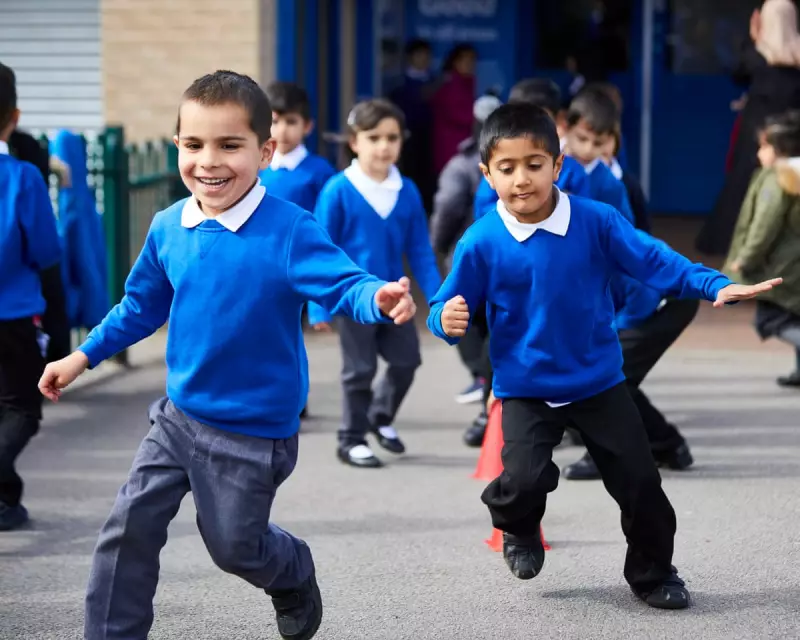
Children in England are engaging in more sport and physical activity than at any point in the last seven years, according to new national data. However, the positive trend is tempered by the fact that fewer than half of all children are meeting the recommended daily exercise levels.
Record Numbers, But A Long Way To Go
The latest Active Lives Children and Young People Survey from Sport England shows that in the 2024/25 academic year, 3.6 million children aged five to 16 were active for an average of 60 minutes or more each day. This represents 49.1% of children in England, marking a 1.3% rise on the previous year and a significant 5.8% increase since the survey began in 2017.
Simon Hayes, Sport England’s chief executive, welcomed the progress, stating it reflects the hard work of schools, clubs, and community organisations. "More than half a million additional children are now meeting the chief medical officers’ guidelines," he said. "That is real progress... especially after the huge disruption of the pandemic."
Despite the upward trajectory, Hayes emphasised the scale of the challenge remaining. "It cannot be right that fewer than half of children are moving as much as recommended," he added, highlighting persistent social inequalities.
Persistent Inequalities in Activity Levels
The survey, which gathered responses from over 100,000 children, uncovered stark disparities in who gets to be active. Key findings include:
- The gender gap, though narrowing slightly to 5.9%, remains, with boys more active than girls, particularly in teenage years.
- Children from the most affluent households are far more likely to be active (58%) than those from the poorest (45%).
- White and mixed-ethnicity children report higher activity levels than Asian, black, or other ethnic minority children.
- Activity dips among seven- to nine-year-olds, with only 42% meeting the target, while five- to seven-year-olds and 11- to 13-year-olds are the most active groups (53%).
Notably, children are increasingly walking or cycling to school and participating in gym or fitness classes, though team sports participation has not grown. The survey also found a clear link between activity and wellbeing, with more active children reporting higher levels of happiness.
Government Pledges Investment and School Sport Reform
In response to the report, Sports Minister Stephanie Peacock acknowledged more must be done to ensure all children experience the benefits of sport. "Too many children still miss out on the joy and benefits of sport," she stated.
The government has announced a two-pronged approach to tackle the issue:
- A £400 million investment into grassroots sports facilities targeted at areas most in need.
- The launch of a new PE and school sport partnerships model, designed to create equal opportunities for every child, regardless of background or location.
This renewed national effort aims to build on the recent progress and address the deep-rooted inequalities laid bare by the survey, ensuring the positive scene of children playing actively in schoolyards, like those at Feversham Primary Academy in Bradford, becomes a universal reality.