
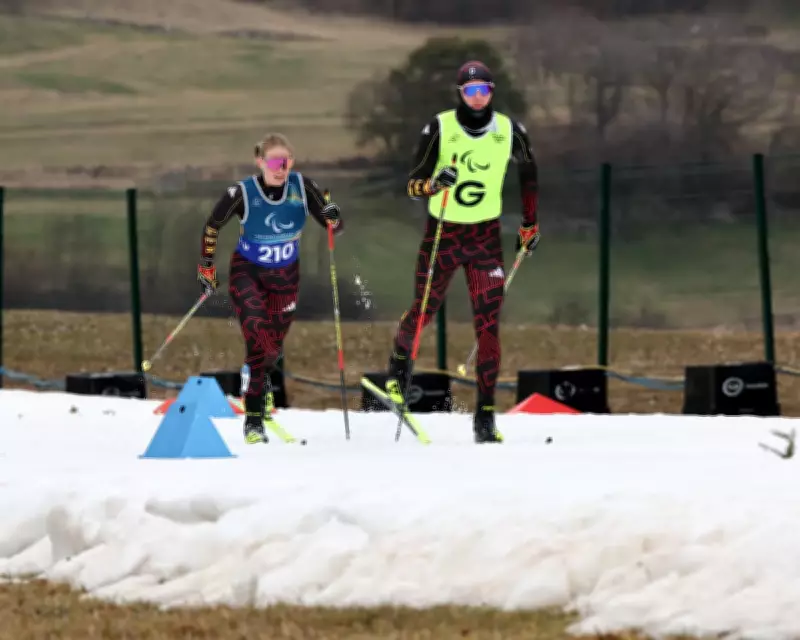
Winter Paralympics Athletes Voice Anger Over Scheduling Amid Rapid Thaw
Athletes competing in the Winter Paralympics have expressed significant frustration and anger over event scheduling as a sudden and dramatic big thaw has severely impacted snow conditions at the venues. This unexpected weather shift has raised serious concerns about the fairness and safety of the competitions, with many participants questioning the organizers' preparedness for such climatic changes.
Disruption to Snow Conditions
The rapid thaw has led to deteriorating snow quality across multiple Paralympic sites, affecting events that rely on consistent and stable surfaces. Athletes have reported that the slushy and uneven conditions are not only challenging but also pose increased risks of injury, particularly for those in high-speed disciplines like alpine skiing and snowboarding. This has forced last-minute adjustments to schedules, causing further inconvenience and stress for competitors who have trained extensively under different expectations.
Athlete Reactions and Concerns
Several athletes have publicly voiced their displeasure, highlighting how the scheduling conflicts with the thaw have compromised their performance opportunities. They argue that the organizers should have anticipated such weather scenarios and implemented more flexible planning to ensure equitable conditions for all. The anger stems from a perception that the event's integrity is being undermined, with some calling for immediate reviews of the scheduling protocols to prevent similar issues in future Paralympics.
Organizational Response and Implications
In response to the outcry, Paralympic officials have acknowledged the challenges posed by the big thaw and are working to mitigate its effects. However, athletes remain skeptical, emphasizing that quick fixes may not address the core issues of scheduling and weather preparedness. This incident has sparked broader discussions about how winter sports events can better adapt to climate variability, ensuring that athlete welfare and competitive fairness remain top priorities.
Looking Ahead
As the Winter Paralympics continue, the focus is on how organizers will manage the remaining events amidst the ongoing thaw. Athletes are urging for more transparent communication and collaborative decision-making to navigate these unpredictable conditions. This situation serves as a critical reminder of the importance of robust planning in the face of environmental uncertainties, potentially influencing future Paralympic and winter sports event strategies.