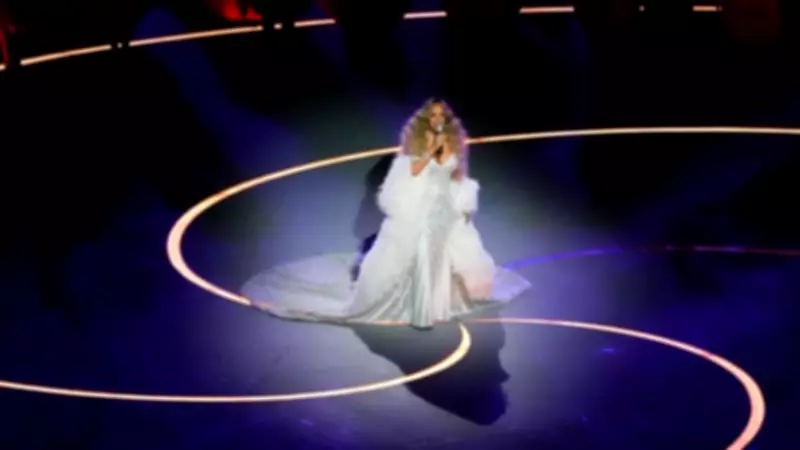
The 2026 Winter Olympics in Milan Cortina officially launched today, Friday 6 February, marking the start of a global sporting spectacle that blends athletic prowess with cultural celebration and political tension. An opening ceremony headlined by music icons Mariah Carey and Andrea Bocelli set the stage, though not without its controversies, as protests against U.S. immigration policies added a discordant note to the festivities.
A Grand Opening with Musical Flair
Mariah Carey's performance of Volare during the ceremony drew mixed reactions from the audience, while famed Italian tenor Andrea Bocelli provided a more traditional operatic touch. The event welcomed athletes from around the world, with Team GB comprising 53 competitors set to participate across 11 disciplines, from figure skating to snowboarding.
Team GB and Global Athletes in Focus
British stars Anastasia Vaipan-Law and Luke Digby captivated fans with a stunning display in the figure skating pairs team event, emerging from the shadows to deliver a memorable performance. Meanwhile, athletes like Lithuania's Allison Reed and Saulius Ambrulevicius were seen limbering up during practice sessions, highlighting the intense preparation behind the scenes.
In other events, Canada's Cameron Spalding showcased his skills in the men's snowboard Big Air qualifications, and freestyle skiers took to the slopes at Livigno Snow Park, demonstrating the diversity of sports on offer.
Unprecedented Scale and Logistics
This year's games are notable for their sprawling layout, utilizing four sites across Milan and Cortina d'Ampezzo to cover approximately 8,500 square miles—an area comparable to the size of New Jersey. This makes the Milan Cortina Olympics the most geographically dispersed Winter Games in history, with venues spread across northern and northeastern Italy.
Most indoor sports, such as skating and ice hockey, are being hosted in Milan, Italy's fashionable financial hub, while outdoor events take advantage of the region's alpine landscapes. A total of 116 events across eight sports are scheduled over 19 days of competition, promising non-stop action for fans worldwide.
Controversy and Protests Mar the Build-Up
Despite the celebratory atmosphere, the build-up to the games has been overshadowed by controversy. The presence of U.S. Vice President JD Vance and American immigration agents has sparked a series of protests, with student activists spray-painting anti-ICE messaging on walls outside the events. This political unrest adds a layer of complexity to the Olympics, highlighting ongoing debates over immigration policies.
At a heads of state dinner, IOC President Kirsty Coventry was photographed alongside Vice President Vance, underscoring the diplomatic tensions. Meanwhile, on the ice, Italian athletes like Dorothea Wierer trained diligently in Anterselva, and the Italian ice hockey team huddled during a preliminary match against France, focusing on their sporting goals amidst the broader societal issues.
Looking Ahead to the Games
With roughly 2,800 athletes from around the globe competing, the Milan Cortina 2026 Winter Olympics promise to be a showcase of elite winter sports. From the adrenaline of snowboarding and skiing to the grace of figure skating, the event aims to unite fans in celebration, even as it navigates the challenges of political dissent and logistical hurdles.