Team GB Snowsport's Remarkable Comeback Ahead of Milano-Cortina Winter Olympics
British snowsport athletes have delivered a stunning series of performances at the X Games in Aspen, Colorado, just days before the Winter Olympics in Milano-Cortina. This remarkable success marks a dramatic turnaround for a team that faced significant funding cuts following disappointing results at the Beijing Winter Olympics.
Gold Rush at the X Games
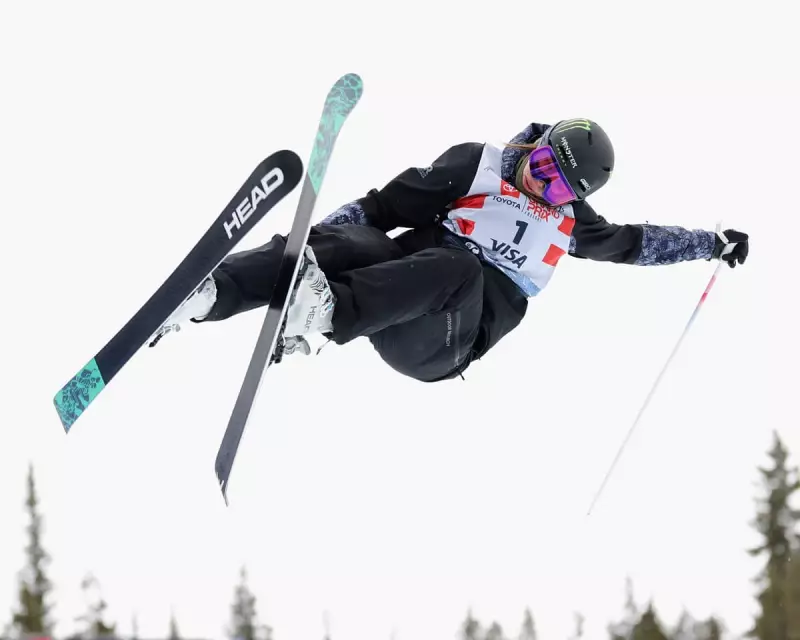
The young Team GB squad demonstrated exceptional talent and determination across multiple disciplines. Mia Brookes, aged 19, secured gold in the snowboard slopestyle event. Zoe Atkin, 23, followed with another gold in the freeski superpipe. Before the weekend concluded, Kirsty Muir, 21, added a third gold in the freeski slopestyle alongside a silver in the big air competition.
This impressive haul was complemented by Charlotte Bankes winning her first World Cup snowboard cross event since recovering from a broken collarbone sustained in China the previous week. These achievements have significantly boosted confidence within the British camp as they prepare for the upcoming Winter Games.
Overcoming Adversity After Beijing
Four years ago, GB Snowsport anticipated winning multiple medals at the Beijing Winter Olympics but returned empty-handed. In response to these results, UK Sport reduced their funding for the Milano-Cortina cycle from £9.53 million to £7.27 million. This decision came despite challenging circumstances including COVID-19 restrictions and Brexit complications that limited training opportunities for British athletes.
Vicky Gosling, Chief Executive of GB Snowsport, described the Beijing experience as particularly difficult. "Having been in austere environments with my military background, I can tell you it felt hostile and austere when we arrived there," she explained. "Everybody was in hazmat suits, wheeling us off the plane. You were tested for COVID every day. And it was -26°C."
The Road to Recovery
GB Snowsport has implemented numerous strategic changes to rebuild their competitive edge. The organisation, which will supply 20 of Team GB's 53 athletes for Milano-Cortina, attributes their resurgence to several key factors:
- Technological Innovation: Introducing special tech skinsuits to reduce drag in speed-focused disciplines
- Mental Preparation: Increased investment in sport psychologists and innovative techniques like free-diving programmes to manage competition stress
- Training Adjustments: Shifting more summer training to the southern hemisphere to avoid unreliable glacier conditions in Europe
- Cultural Transformation: Adopting a decentralised 'hub and spoke' model that empowers world-class coaches from multiple nations
Kirsty Muir reflected on her personal development since Beijing: "Seventeen-year-old Kirsty was just a bit shy and nervous all the time. Now I have more confidence. I am really happy in my skiing and I'm feeling really good."
Financial Challenges and Grassroots Origins
The funding reduction forced Gosling to seek additional sponsorship while maintaining operational efficiency. She recounted one occasion where she and head coach Pat Sharples slept in a car in Verbier when their budget hotel unexpectedly closed overnight.
Despite these challenges, Gosling emphasises the team's resilience and diverse backgrounds. "Our athletes do not come from high wealth, but what they are is Brits with grit," she stated. Many team members began their careers in modest circumstances:
- Dave Ryding started skiing at age six on the 50m Pendle dry slope in Lancashire
- Kirsty Muir began skiing aged three in Aberdeen
- Mia Brookes' parents combined their professions as a mechanic and hairdresser with their passion for snowboarding, travelling Europe in a camper van
Olympic Prospects and Confidence
UK Sport now forecasts that Team GB could win up to eight medals at the Winter Olympics, potentially surpassing the record five medals achieved in Sochi and Pyeongchang. While acknowledging the inherent unpredictability of high-risk winter sports, Zoe Atkin expresses confidence in the team's preparation: "We have a really strong team. We have so many amazing snowsport athletes, and we're finding our stride at the perfect time."
Atkin further emphasised the comprehensive support system: "We get so much support from the team, which has been huge. I think this Olympics is going to be a good one for Team GB." This renewed optimism reflects a fundamental shift in mentality from simply participating to genuinely competing for victory.