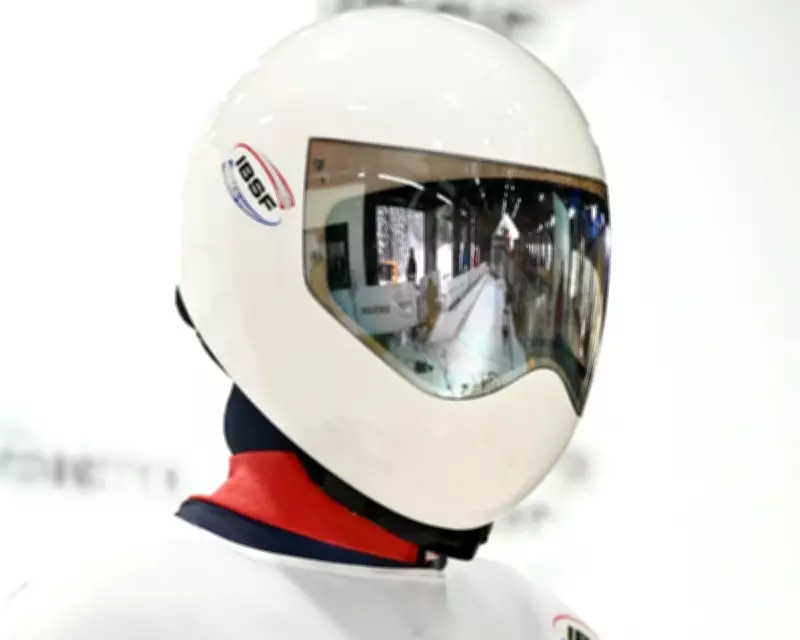
The Great Britain skeleton team has been plunged into a significant controversy at the Winter Olympics after it was discovered that their helmets do not meet the required international safety standards. This breach of regulations has put the team at immediate risk of disqualification from the competition, casting a shadow over their participation in the high-speed sliding event.
Details of the Helmet Violation
According to reports, the helmets used by the British skeleton athletes have been deemed illegal because they fail to comply with specific technical specifications set by the International Bobsleigh and Skeleton Federation (IBSF). These standards are crucial for ensuring athlete safety in a sport where competitors reach speeds of over 80 miles per hour on icy tracks. The exact nature of the non-compliance has not been fully disclosed, but it is believed to involve aspects such as material composition, aerodynamics, or certification protocols.
Potential Consequences for the Team
The implications of this discovery are severe. If the helmets are not replaced or modified to meet the regulations promptly, the Great Britain team could face disqualification from their events. This would not only end their Olympic dreams but also result in a significant embarrassment for British winter sports. Officials are currently scrambling to address the issue, with discussions underway about possible solutions, including sourcing compliant helmets from other teams or manufacturers.
Broader Impact on the Sport
This incident highlights ongoing concerns about equipment integrity in skeleton and other winter sports. It raises questions about the effectiveness of pre-competition checks and the consistency of enforcement across different nations. Some experts suggest that this could lead to stricter scrutiny of all teams' gear in future Olympics, potentially affecting performance and innovation in the sport.
The Great Britain skeleton team, which has historically been a strong contender in Winter Olympics events, now faces an uphill battle to resolve this equipment crisis. Their ability to compete hinges on swift action and cooperation with international governing bodies, making this a critical moment for British winter athletics.