Djokovic's Unprecedented Australian Open Final Loss to Alcaraz Signals Changing Era
In a historic night at Melbourne Park, Novak Djokovic experienced his first-ever defeat in an Australian Open final, falling to world number one Carlos Alcaraz in a compelling match that captivated tennis enthusiasts worldwide. The 24-time grand slam champion, who had previously maintained an impeccable record in Melbourne finals, faced a determined opponent who secured his place in tennis history by completing the career grand slam.
A Time-Warp Tennis Clash of Generations
The championship match represented one of the most significant age gaps in modern men's grand slam final history, with nearly sixteen years separating the two competitors. Djokovic, approaching his thirty-ninth birthday, confronted the youthful energy of Alcaraz in what many observers described as a tennis time warp – two distinct eras converging under the open roof of Melbourne Park's premier court.
For both athletes, this final represented a crucial opportunity. Alcaraz aimed to become the youngest male player to achieve the career grand slam, potentially breaking an eighty-seven-year record. Meanwhile, Djokovic recognized this might represent one of his final chances to claim another major title at his most successful tournament venue.

Celebrity Spectators and Electric Atmosphere
The significance of the occasion attracted notable figures from across the sporting and entertainment worlds. Rafael Nadal, the twenty-two-time grand slam champion, created a commotion when returning to his courtside seat, with fans standing four deep to capture photographs of the tennis legend. The celebrity contingent included actor Simon Baker, known for his role in The Mentalist, who reacted with visible disbelief during particularly remarkable exchanges.
Other distinguished attendees included Sarah Snook from Succession and Paul Ben-Victor of The Wire fame, adding Hollywood glamour to the already electric atmosphere. The crowd's energy manifested in spontaneous chants of "No-le, No-le" that echoed through the stadium as spectators willed Djokovic to extend the contest.
Compelling Narrative of Decline and Resistance
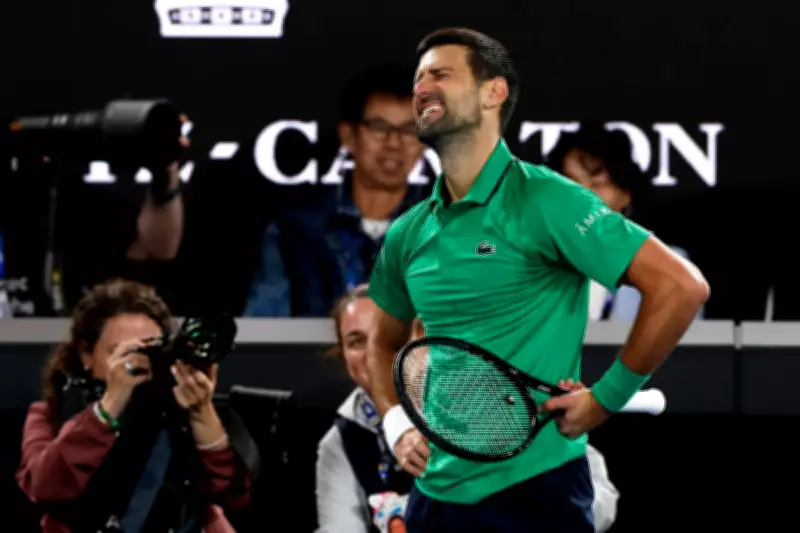
Djokovic's performance revealed signs of physical limitation, with apparent discomfort from a hip issue affecting his movement at crucial moments. Despite this challenge, the Serbian champion demonstrated remarkable resilience, saving multiple break points and mounting a fourth-set revival that briefly suggested a potential comeback.
The match featured exceptional tennis artistry, including breathtaking baseline rallies, audacious drop shots, and improbable lobs that left spectators shaking their heads in amazement. One particularly memorable moment saw Djokovic execute a spectacular around-the-net-post shot that Alcaraz somehow managed to retrieve, showcasing the extraordinary skill level of both competitors.
Pivotal Moments and Emotional Conclusion
As the match reached its climax, the tension became palpable throughout the stadium. Djokovic created a crucial break point opportunity at 4-4 in the fourth set, turning to the crowd and gesturing for increased support. However, a missed forehand proved decisive, with Alcaraz regaining control and ultimately securing victory.
The final games witnessed diminishing chants from the crowd as reality set in, with even the most vocal supporters resorting to recording the historic moment on their phones rather than cheering. Djokovic's thousand-yard stare during changeovers spoke volumes about the emotional weight of this unprecedented defeat at his most successful tournament.
Historical Significance and Future Implications
This Australian Open final represents more than just another grand slam title – it marks a potential turning point in men's tennis history. Alcaraz's achievement establishes him as the complete player of his generation, while Djokovic's defeat raises questions about how many more opportunities he will have to add to his remarkable grand slam tally.
The match will be remembered not only for its exceptional tennis but for the symbolic passing of the torch between generations, witnessed by tennis royalty and celebrated in an atmosphere of both celebration and nostalgia for what might represent the beginning of the end of one of sport's most dominant eras.