The BBC is facing a significant backlash over its decision to broadcast a controversial 'Battle of the Sexes' tennis exhibition match between women's world number one Aryna Sabalenka and the inactive men's player Nick Kyrgios. Critics argue the event is nonsensical and risks opening a floodgate of toxic online misogyny, undermining the progress of women's sport.
A Mismatched Spectacle and a Question of Motives
The core of the controversy lies in the stark imbalance between the two competitors. Aryna Sabalenka is the current, dominant women's singles world No. 1, having won two Grand Slam titles in the past year. In stark contrast, Nick Kyrgios is ranked outside the world's top 600 and has played just a handful of professional matches in the last three years due to persistent injuries.
To artificially create contest, organisers will implement gimmicky rules. Sabalenka will defend a court that is 9% smaller, based on dubious science regarding movement speed, and both players will be limited to one serve per point to negate Kyrgios's power advantage. The match is scheduled for Dubai's Coca-Cola Arena and will be shown live by BBC Sport.

This modern iteration stands in awkward contrast to the original 1973 Battle of the Sexes between Billie Jean King and Bobby Riggs. That match was a potent, necessary symbol in an era of profound inequality for women athletes. Today, with women's tennis enjoying unprecedented visibility and respect, many question the purpose of reviving such a concept.
A Conduit for Toxicity and a Problematic Choice of Star
Journalists and former players have voiced deep concerns that, regardless of the stated 'fun' premise, the event will be hijacked by bad-faith actors online. The narrative is pre-weaponised for those seeking to belittle women's achievements. As retired Australian doubles champion Rennae Stubbs pointed out, the outcome is a no-win scenario for women's tennis: a Sabalenka victory would be dismissed as beating an unfit part-timer, while a Kyrgios win would be trumpeted as 'proof' of male superiority.
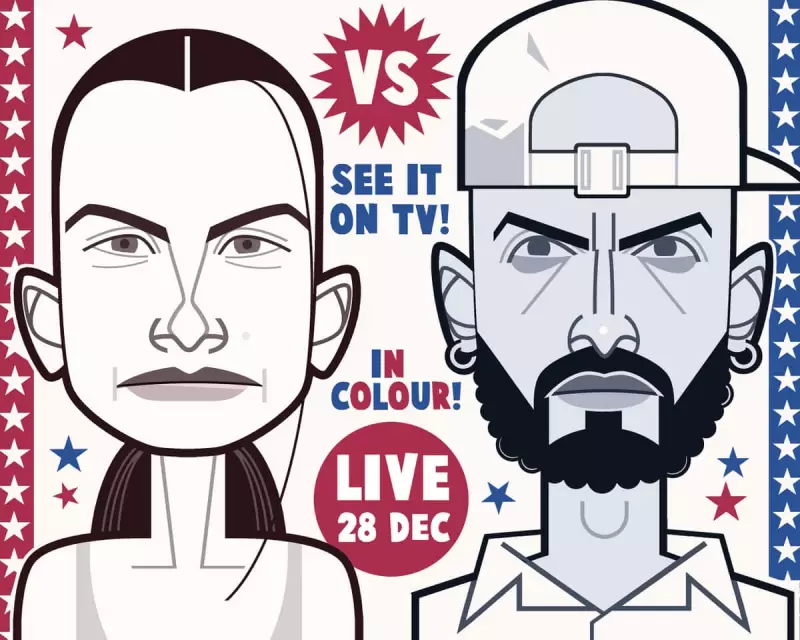
The choice of Nick Kyrgios as the male participant adds another layer of controversy. While a compelling and honest personality, his public persona is fraught. He has faced allegations of domestic violence—with a subsequent assault charge dismissed by a magistrate—and accusations of sexist comments, necessitating a public distancing from controversial figure Andrew Tate. The promotional imagery, which shows Kyrgios in an aggressive yell opposite a calm Sabalenka, has been criticised for its cynical portrayal of uncontrolled male rage versus female mildness.
BBC's Role and a Broader Crisis of Identity
The BBC's decision to platform this event has sparked particular ire, seen as a jarring departure from its public service remit to educate and inform. Critics argue it provides a direct channel between the national broadcaster and the sewers of internet hatred, a stark contrast to the Reithian principles of its founding.
This controversy emerges amidst ongoing financial and ideological pressures on the BBC, including debates over the licence fee and its competitive relationship with commercial media. The decision is viewed by some as symptomatic of an institution caught between public service obligations and a pandering pursuit of relevance, potentially at the cost of its core values.
Ultimately, the Sabalenka-Kyrgios exhibition is seen not as progressive entertainment but as a regressive stunt that offers little for women's sport while risking significant harm. It raises urgent questions about the responsibilities of broadcasters in an age where any event can become fuel for the most divisive online discourse.