Storm Star's Career in Jeopardy After Serious Head Trauma
Melbourne Storm backrower Eli Katoa faces an uncertain future in professional rugby league as he continues his recovery from emergency brain surgery following multiple head injuries sustained during a Pacific Championships match earlier this month.
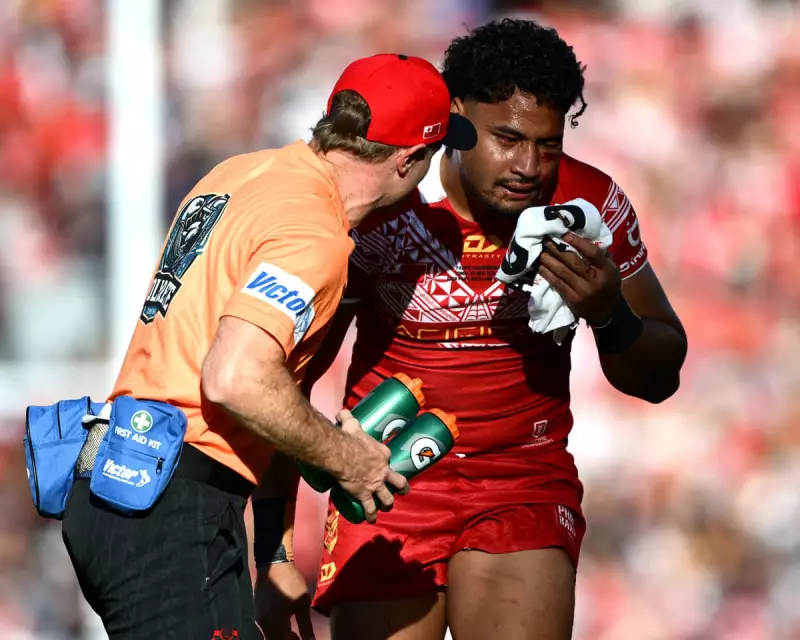
The 25-year-old Tonga international remains hospitalised in Auckland after suffering three separate head impacts during the match against New Zealand twelve days ago, with his condition described as stable but requiring further weeks of medical care.
Alarming Sequence of Events
Disturbing details have emerged about the circumstances leading to Katoa's serious condition. The player apparently suffered his first head injury during the warmup when he collided with Tonga teammate Lehi Hopoate before the Pacific Championships clash.

Despite this initial incident, Katoa was cleared to play and subsequently received two additional head impacts during the game itself. The situation deteriorated dramatically when he began suffering seizures on the sideline, requiring immediate medical attention and emergency surgery to relieve bleeding on his brain.
Melbourne Storm CEO Justin Rodski provided a sobering update on Friday, indicating that Katoa's recovery journey is only beginning. "He's in a stable condition, he's been improving, which is really pleasing," Rodski stated. "He's still got a long way to go in terms of his short-term, medium-term recovery."
Long Road to Recovery Ahead
The Storm organisation is arranging to transfer Katoa back to Australia over the coming days, where he will be admitted to a Melbourne hospital for further specialist assessment. Medical professionals will then determine the next phase of his rehabilitation.
Rodski revealed that decisions regarding Katoa's discharge and subsequent care remain pending. "At that point they'll make the decision on when he's discharged from there and what his recovery looks like from there, whether that's heading home, whether that's heading into some form of rehabilitation centre."
When questioned about Katoa's playing future, the CEO emphasised that football considerations remain secondary to the player's health. "It would be unfair to him and his family to make any type of statements around his short-term or long-term future other than to say that he has our full support," Rodski explained.
The club's primary focus is ensuring Katoa returns to full health before any discussion about resuming his professional career. This concerning development comes just weeks after Melbourne Storm lost their second successive NRL grand final.
NRL Investigation Underway
The National Rugby League has launched an investigation into how Katoa was permitted to take the field after apparently sustaining a head injury during the warmup. The findings of this inquiry are expected to be released shortly.
Rodski acknowledged the seriousness of the incident but expressed confidence in the NRL's handling of the investigation. The case has prompted renewed calls for the league to reassess its concussion protocols and player welfare standards.
Within the Storm organisation, players and staff have been deeply affected by the incident involving their widely respected teammate. Welfare officer Young Tonumaipea and club chair Matt Tripp have visited Katoa in hospital, while other members of the Melbourne-based team have sent messages of support.
Rodski reflected on the challenging situation, noting that "when someone that is so loved and respected is put in such a heartbreaking position, it impacts everybody." However, he highlighted the strong community within the club, describing how "the family comes together to support one another through tough periods."
As Katoa begins his slow recovery, the rugby league community awaits both his health progress and the outcomes of the NRL's investigation into the protocols that allowed him to continue playing after initial head trauma.