England's Bench Revolution Under Borthwick
Steve Borthwick has engineered a remarkable transformation of England's rugby fortunes, turning what was once a glaring weakness into a formidable strength. Where the bench was previously considered below international standard during last year's autumn campaign, Borthwick has now assembled what pundits are calling a 'bomb squad' of replacement players that could prove decisive against New Zealand.
Six British & Irish Lions feature among England's substitutes, including the highly-rated Tom Curry, whom analysts consider the world's premier openside flanker. This represents a significant upgrade in quality and depth that provides Borthwick with tactical flexibility previously unavailable to the England setup.
The Aerial Battle Takes Centre Stage
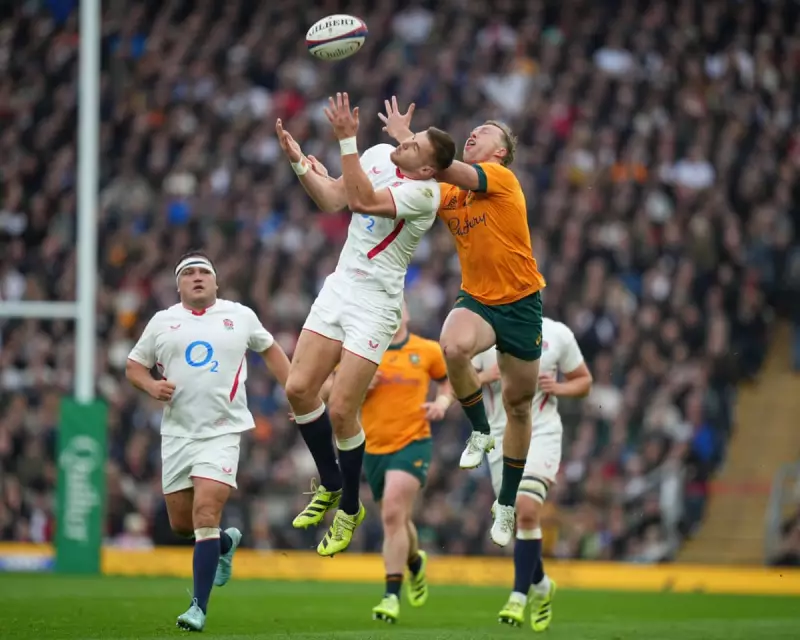
With heavy rain forecast for Saturday's encounter, both teams are expected to engage in extensive kicking duels. The aerial contest becomes particularly crucial given the trend toward stacked benches in modern rugby. As fatigue becomes less of a factor with quality replacements available, the kicking game assumes greater importance in determining match outcomes.

New Zealand's primary objective will be avoiding England's aerial specialist Freddie Steward. The All Blacks are likely to employ kicks originating from their number 10 and 15 positions rather than through the scrum-half, creating additional distance and complexity for Steward to navigate.
England meanwhile will rely on the recalled George Ford and Alex Mitchell to replicate the control they demonstrated against Australia. Tom Roebuck's return from ankle injury provides another significant boost to England's aerial capabilities, giving Borthwick two of the game's most proficient operators under the high ball.
Bench Deployment Could Decide the Contest
The real test for Borthwick lies not just in possessing this impressive arsenal but in its strategic deployment. The England coach typically makes wholesale forward changes between the 50th and 60th minute, mirroring the approach perfected by South Africa's Springboks.
However, Borthwick must remain adaptable, particularly if New Zealand establish an early lead. The All Blacks have historically been fast starters, though analysts note this isn't considered a vintage New Zealand side despite their 17-0 beginning against Scotland.
Rassie Erasmus's proactive bench management for South Africa against France provides the gold standard that Borthwick must emulate. Erasmus demonstrated remarkable flexibility by replacing a prop after thirty minutes, substituting Siya Kolisi at halftime following Lood de Jager's red card, and deploying André Esterhuizen in a hybrid flanker-centre role.
With the scoreline expected to remain tight entering the final quarter, England's bench strength could prove the difference. The match represents not just a test of player ability but of coaching intelligence in utilising resources effectively across the full eighty minutes.