Borthwick's Revolutionary Selection Strategy
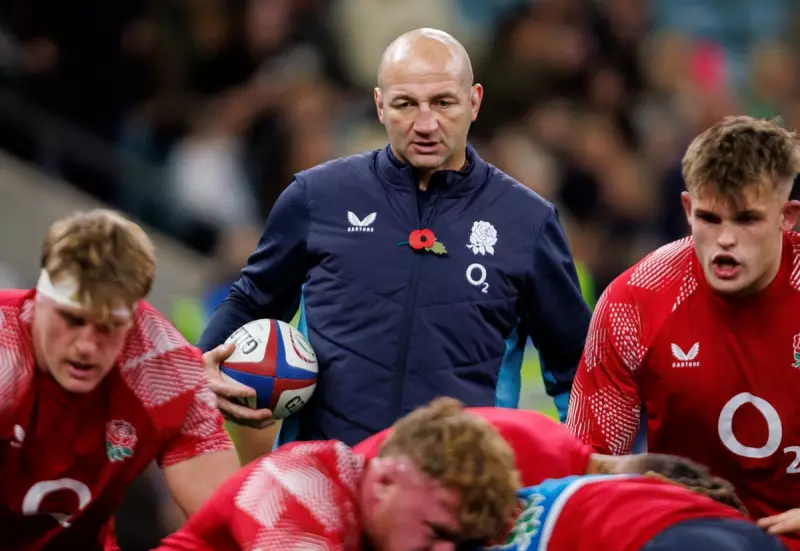
England head coach Steve Borthwick has fundamentally reshaped traditional rugby selection principles ahead of this weekend's crucial Test match against New Zealand at Allianz Stadium. In a dramatic overhaul of conventional thinking, Borthwick has selected six British & Irish Lions on his bench compared to just four in his starting lineup, signalling a profound shift in how modern Test rugby is approached.
The Modern Rugby Philosophy: Strength in Depth
The traditional concept of fielding your strongest XV from the opening whistle appears increasingly outdated in contemporary rugby. Borthwick's selection philosophy mirrors the successful 'Bomb Squad' approach pioneered by South Africa, where impact substitutes can decisively influence matches during the final quarters. Around the 50-minute mark on Saturday, England supporters can expect to see established stars including Tom Curry, Ellis Genge, and Henry Pollock discarding their tracksuits to enter the fray.
However, this strategy carries inherent risks when facing the world's second-ranked team. Should New Zealand replicate their Murrayfield performance against Scotland, where they established a 17-0 halftime lead, England's reliance on their bench strength could prove problematic. The challenge remains balancing initial momentum with finishing power.

Historical Context and Coaching Philosophy
Borthwick brings personal experience to this selection approach, having spent several matches as an unused replacement during his playing career. He specifically recalled the famous 2003 Wellington Test against New Zealand, where England played with 14 men for significant periods yet he remained among the unused substitutes throughout.
The England coach emphasised that Test rugby has evolved into a definitive 23-man game, requiring selfless squad commitment. "I think every player understands this is a team effort," Borthwick stated. "The 36 players here helping the team prepare all play a part. That kind of selfless attitude hasn't necessarily always been the case in an England team."
Key Selection Decisions and Weather Considerations
Several critical selection calls characterise England's approach to this encounter. With George Ford preferred at fly-half, his calm leadership and ability to organise attacking structures proved decisive in selection. The damp weather forecast further justifies this choice, with England expected to frequently test New Zealand's back three under the high ball.
Injury absences necessitated additional adjustments, with Tommy Freeman and Ollie Chessum unavailable. Borthwick described himself as "spoilt for choice" at fly-half, resulting in Northampton's Fin Smith missing selection entirely. Marcus Smith provides bench coverage with additional flexibility to slot into the back three if required.
England enter this contest having narrowly lost three encounters against New Zealand last year by a combined margin of just 10 points. With Scott Robertson's All Blacks maintaining their characteristic clinical edge, another tight contest appears likely. Borthwick's revolutionary selection strategy will face its ultimate test during what could prove a decisive final twenty minutes.