Ukrainian Skeleton Athlete Vladislav Heraskevych Banned from 2026 Winter Olympics
In a dramatic turn of events, Vladislav Heraskevych, a prominent Ukrainian skeleton racer, has been officially banned from competing in the upcoming 2026 Winter Olympics. The International Olympic Committee (IOC) imposed this sanction following a series of controversies and alleged violations of sporting regulations. This decision has sent shockwaves through the winter sports community, particularly in Ukraine, where Heraskevych is celebrated as a national hero and a symbol of resilience.
Defiant Return Planned with Symbolic Helmet
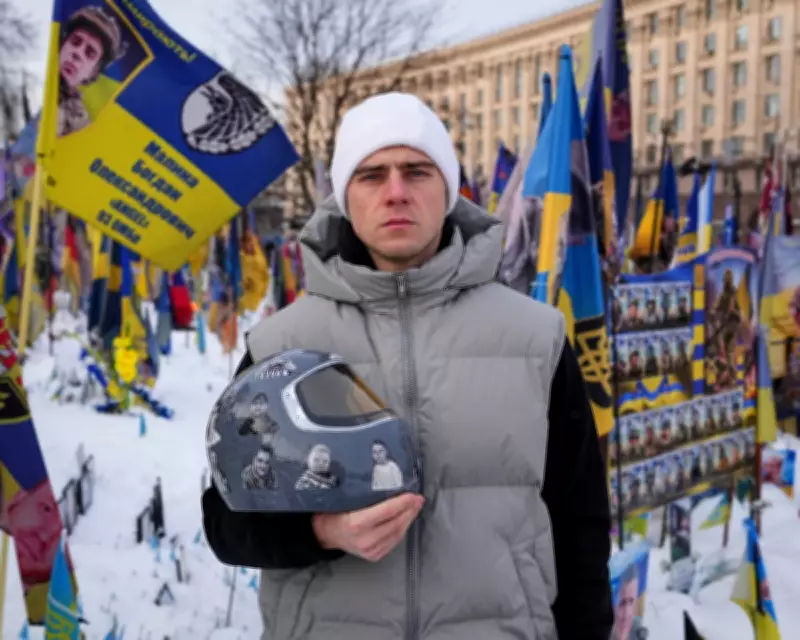
Despite the ban, Heraskevych is not backing down. He has announced plans for a defiant return to the sport, aiming to reclaim his glory in future competitions. Central to his comeback strategy is a specially designed helmet that serves as a powerful tribute to his homeland. The helmet is adorned with symbols and colors representing Ukraine, intended to honor the memory of the country's struggles and triumphs. This move is seen as a bold statement of patriotism and determination, highlighting his unwavering commitment to his nation and his sport.
Controversy and IOC's Stance
The ban stems from a complex web of issues, including alleged breaches of anti-doping protocols and other disciplinary matters. The IOC has maintained a firm stance, emphasizing the importance of upholding the integrity and fairness of Olympic competitions. Officials have stated that the decision was made after thorough investigations and reviews, aiming to set a precedent for adherence to global sporting standards. However, Heraskevych's supporters argue that the ban is overly harsh and politically motivated, pointing to his clean record in previous events.
Impact on Ukrainian Sports and Future Prospects
This development has significant implications for Ukrainian sports. Heraskevych's absence from the 2026 Winter Olympics could affect the country's medal prospects in skeleton events, where he has been a top contender. Nonetheless, his planned return with the memory helmet has inspired many, fostering a sense of national pride and solidarity. Sports analysts predict that his comeback could reignite interest in winter sports in Ukraine, potentially leading to increased support and funding for athletes in similar disciplines.
In summary, Vladislav Heraskevych's ban from the 2026 Winter Olympics marks a contentious chapter in his career, but his resolve to return with a helmet honoring Ukraine's memory underscores a story of perseverance and national spirit. As the sporting world watches closely, his journey continues to captivate audiences, blending athletic ambition with profound cultural symbolism.