The International Paralympic Committee is laying groundwork for a potential ban on transgender women competing in female sports categories, with scientific evidence guiding what would represent a significant policy shift for disabled athletics.
Scientific Approach Guides Decision
IPC president Andrew Parsons participated in Olympic scientific meetings last week where research indicated transgender women retain physical advantages after undergoing male puberty, potentially creating unfair competition in medal pursuits. Mr Parsons emphasised that science rather than cultural or social factors should determine policy direction.
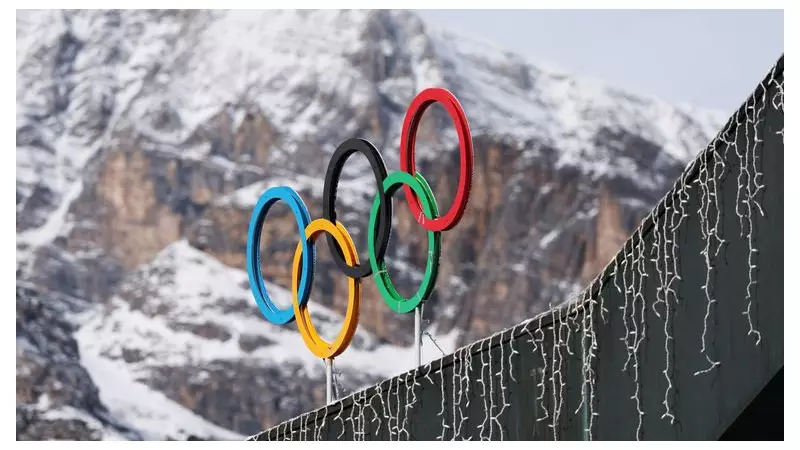
No new regulations will be implemented before the Winter Paralympics in March 2026, scheduled for Milan and Cortina d'Ampezzo in Italy. The Cortina Curling Olympic Stadium will host the closing ceremony for both Olympic and Paralympic events.
Following Olympic Leadership
Mr Parsons, who also serves as an International Olympic Committee member, told Sky News that having the IOC take leadership on this complex issue provides crucial direction for the entire sporting world. The Brazilian administrator acknowledged that different sports experience varying impacts from transgender participation policies.
While the IPC has previously allowed individual sports to establish their own gender eligibility rules, the organisation now appears poised to adopt a more unified approach following the IOC's anticipated decision. The Olympic body is understood to be considering a blanket ban that would also affect athletes with differences in sex development.
Historical Context and Future Implications
Paris 2024 saw Italian sprinter Valentina Petrillo become the first openly transgender athlete to compete at a Paralympics, though she didn't medal. This landmark participation occurred under the IPC's current decentralised policy framework.
Mr Parsons remains cautious, noting the IPC must evaluate whether to follow the IOC's eventual decision and determine if additional sport-specific research becomes necessary. He acknowledged the topic's sensitivity, stating organisers cannot ignore the significant discussions happening throughout world sports.
The final IOC decision could emerge during a session meeting next year, potentially establishing new parameters for transgender athlete participation across both Olympic and Paralympic movements.