The Power of Tribal Identity in Modern Sports
In the competitive world of sports business, creating and nurturing tribes has become the holy grail for governing bodies seeking to expand their reach and commercial viability. The recent launch of The NEDwork at The Kia Oval highlighted this pressing challenge, bringing together nearly 50 non-executive directors from Britain's Olympic and Paralympic sports bodies.
Ed Warner, chair of GB Wheelchair Rugby, has been instrumental in establishing this network with support from chairs across British sporting bodies and board specialists Kinsey Sears. The initiative aims to strengthen Britain's medal prospects for LA28 and French Alps 2030 by fostering collaboration among disparate sports organisations.
The Tribal Experience: From Punk Festivals to Sports Arenas
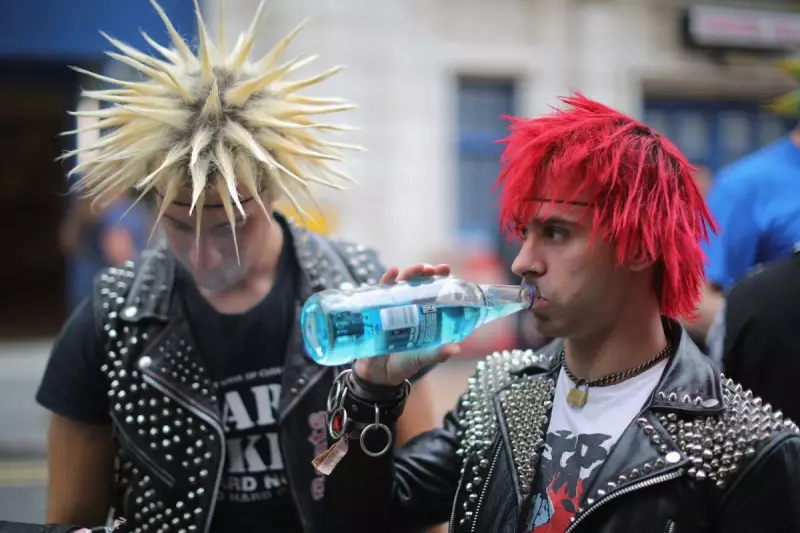
The concept of tribal following isn't new to entertainment or sports. From the Rebellion Festival in Blackpool that attracts punks worldwide to football ultras and Taylor Swift's dedicated Swifties, tribes create powerful communities built around shared passions. What makes these groups thrive is their authenticity – they emerge organically from the people rather than being manufactured for commercial purposes.
Gareth Balch, founder of sports consultancy Two Circles and former international 800m runner, emphasised during his keynote that tribes grow organically rather than through forced creation. His insights came against the backdrop of staggering statistics, including 3 trillion hours of sports content consumed globally each year.
The Commercial Challenge: Authenticity Versus Exploitation
While the global sports industry grows at seven percent annually – outpacing developed world economic averages – most Olympic and Paralympic sports struggle for public attention, broadcast time, and commercial revenue. The temptation to mimic successful professional sports like football often leads governing bodies astray from the organic approach required for genuine tribal growth.
Football represents the archetype of successful tribal commercialisation. Clubs have mastered monetising loyalty through season tickets, memberships, and merchandise while maintaining authentic connections with their fan bases. However, the balance between commercialisation and authenticity has become increasingly challenging in the social media age.
The Barmy Army exemplifies successful tribal evolution. What began as 30 fans on an Ashes tour in 1994-95 has transformed into a corporate entity with 24 partners and ABTA-protected tours, while maintaining its distinctive character. Their social media following numbers in the hundreds of thousands, overshadowing many sports governing bodies.
Case Study: GB Wheelchair Rugby's Digital Reach
The challenge of converting online engagement into tangible support is exemplified by GB Wheelchair Rugby. Despite being one of the smallest Paralympic sports, their online video content generated 182 million views in the past year. This phenomenal reach highlights the gap between digital visibility and expanding the core tribe of committed players and supporters.
Social media has become the essential facilitator of tribal growth, but translating online followers into event attendance and commercial success remains elusive for many sports. The NEDwork's inaugural conference reinforced that while solutions aren't simple, collaboration across sports offers the best path forward.
As Warner concludes, the journey to building sustainable sports tribes requires patience, authenticity, and recognition that some questions don't have easy answers. The collective strength of Britain's sporting community, however, provides hope for navigating these challenges successfully.