The potential sale of a minority stake in the Mercedes Formula 1 team by its co-owner, Toto Wolff, is set to have a significant and positive impact on the overall valuation of the sport, according to industry experts.
Details of the Proposed Deal
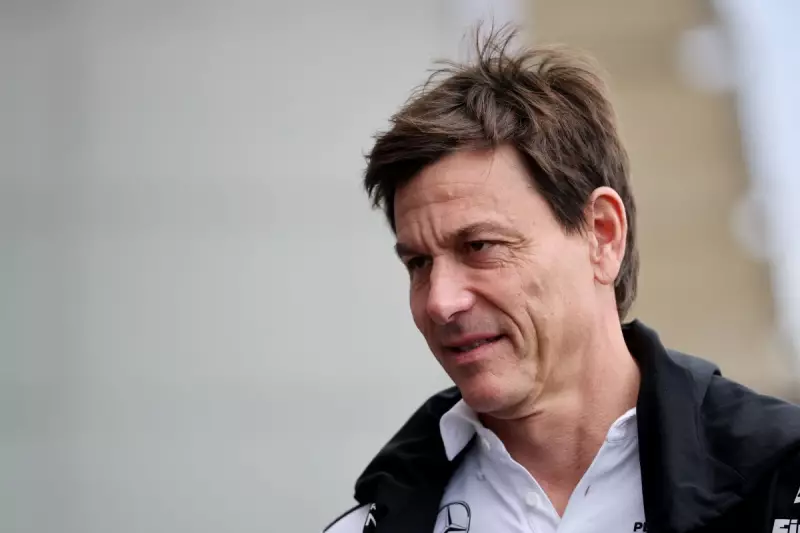
Wolff, who co-owns the Mercedes AMG Petronas F1 Team equally with the German car manufacturer and billionaire Sir Jim Ratcliffe's Ineos, is exploring the sale of approximately 5 per cent of his holding. The prospective buyer is George Kurtz, the co-founder and chief of cybersecurity firm CrowdStrike and an accomplished Le Mans racer.
This transaction would place a staggering £4.7bn valuation on the eight-time constructors' champions. This figure emerges just months after a series of minority stake purchases in rival team McLaren valued that outfit at £3.5bn, highlighting a bullish market for top-tier F1 assets.
Expert Analysis on F1's Soaring Value
Shantanu Sinha, a partner at law firm Hill Dickinson, commented on the wider implications for the sport. He stated that the valuation Wolff achieves will be welcomed by the team and the sport as a whole, as it reinforces F1’s rising global appeal, with a particular emphasis on its growing footprint in the United States.
This deal occurs amidst a period of heightened interest in Formula 1 team ownership. There has been a touted bid for the Alpine team, potentially involving F1 stalwarts like Bernie Ecclestone, Flavio Briatore, and Christian Horner. Furthermore, Aston Martin's parent company received a £2.4bn valuation in 2024 following a letter of intent for a minority stake sale.
Governance and Future Stability
Despite the partial sale, Toto Wolff is expected to remain as team principal and chief executive, ensuring leadership continuity. Koo Aseeley of Dow Schofield Watts emphasised the importance of preserving strategic control.
"The key consideration is how strategic control and decision-making balance are preserved," Aseeley noted. "In a brand-driven sport like Formula 1, perceptions around stability are integral to value. If structured carefully, a partial sell-down need not dent investor confidence. Instead, it can reinforce confidence through signalling a clear governance framework."